Photo Courtesy: NFR
 (1).jpg)
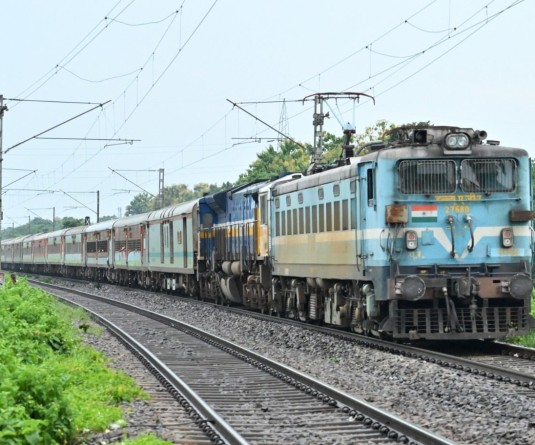
Maligaon, January 15 (MExN): Assam’s railway landscape has undergone a major transformation over the past decade, with Indian Railways emerging as a key driver of infrastructure-led growth across eastern and North-Eastern India, officials said.
A significant component of this change is the Amrit Bharat Station Scheme, the world’s largest railway station redevelopment programme, under which over 1,300 stations have been identified nationwide for comprehensive modernisation. The scheme focuses on contemporary passenger amenities, Divyangjan-friendly facilities, improved circulation, modern waiting areas, digital information systems and station architecture reflecting local heritage.
Assam, the gateway to the Northeast, is the largest beneficiary in the region, with 50 of the 60 stations selected across the Northeast located in the state, supported by an investment of Rs 2,101 crore. Major stations including Guwahati, Dibrugarh, Silchar, Lumding, Tinsukia, New Bongaigaon, Jorhat Town, Kokrajhar, Rangiya and Diphu are undergoing redevelopment.
Haibargaon station, inaugurated in May 2025 by Prime Minister Narendra Modi, became Assam’s first completed Amrit Bharat station. As part of the upgrades, 24 lifts and 21 escalators have been installed, Wi-Fi connectivity provided at 218 stations, and safety enhanced with over 1,000 AI-enabled CCTV cameras and AI-based intrusion detection systems in elephant corridors.
Officials said the scheme marks a shift from incremental upgrades to transformative infrastructure development, strengthening regional economies, improving passenger experience and reinforcing national integration.
Amrit Bharat revamp puts West Bengal railways on fast track
West Bengal’s railway landscape has undergone a decisive transformation over the past decade, with Indian Railways emerging as a major driver of infrastructure-led growth across eastern and north-eastern India, officials said.
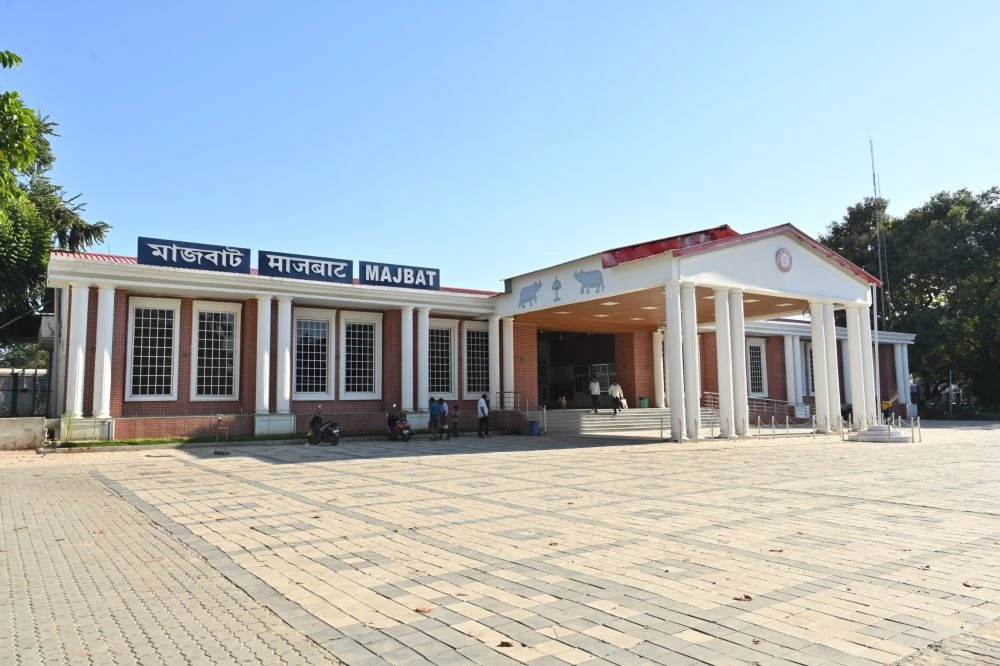
Central to this shift is the Amrit Bharat Station Scheme, the world’s largest railway station redevelopment programme, under which over 1,300 stations have been identified nationwide for comprehensive modernisation. The scheme goes beyond cosmetic upgrades, providing contemporary passenger amenities, Divyangjan-friendly facilities, improved circulation, modern waiting areas, digital information systems and architecture inspired by local heritage.
West Bengal has emerged as a benchmark for passenger-centric rail modernisation, with 101 stations taken up under the Amrit Bharat Station Scheme at an investment of around Rs 3,600 crore. The stations span metropolitan hubs, border towns and pilgrimage centres, ensuring balanced and inclusive regional development.
Major stations including Howrah, Sealdah, New Jalpaiguri, Kharagpur, Asansol, Bandel, Malda Town, Siliguri, Alipurduar, Shalimar and Santragachi are being upgraded under a unified modernisation plan. New Jalpaiguri, with a sanctioned cost of about Rs 335 crore, is being developed as a modern gateway to the North-East with new terminals, an air concourse and enhanced passenger facilities. Santragachi, with an investment of around Rs 380 crore, is being developed as a key multi-modal hub to ease congestion on the Howrah–Kolkata corridor, while Asansol and Shalimar are also undergoing comprehensive upgrades.
Passenger amenities across the state have expanded significantly, with 250 lifts installed, over 400 escalators commissioned and Wi-Fi connectivity provided at 510 stations, reflecting a strong emphasis on accessibility, safety and improved travel experience.