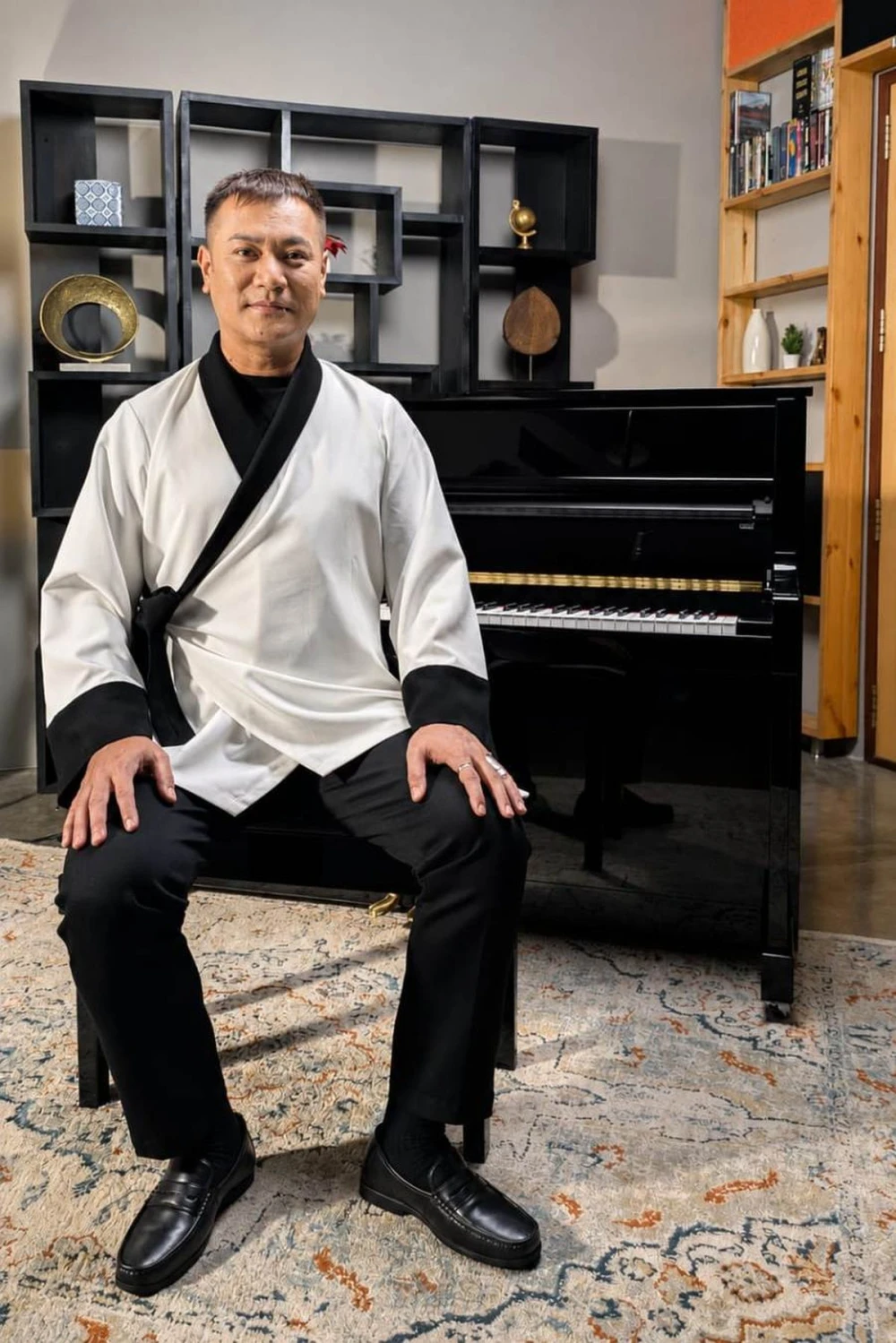
Abdon Mech

Akangjungla
Dimapur | June 22
Naga musicians have built an industry that is winning national and international recognition for the first time in the region’s history, but the artists behind that rise say the scene still lacks the management, infrastructure and creative confidence needed to turn individual breakthroughs into a lasting cultural movement.
In separate interviews, concert pianist and composer Nise Meruno, singer-songwriter Abdon Mech, pop artist Temsu Clover and gospel singer Ayim Longchar described a music scene in transition, one that has produced trained musicians, international collaborations and a growing professional class, even as it continues to lean on borrowed sounds rather than develop a distinct Naga musical identity, and largely avoids the social and political subjects that have defined protest music elsewhere.
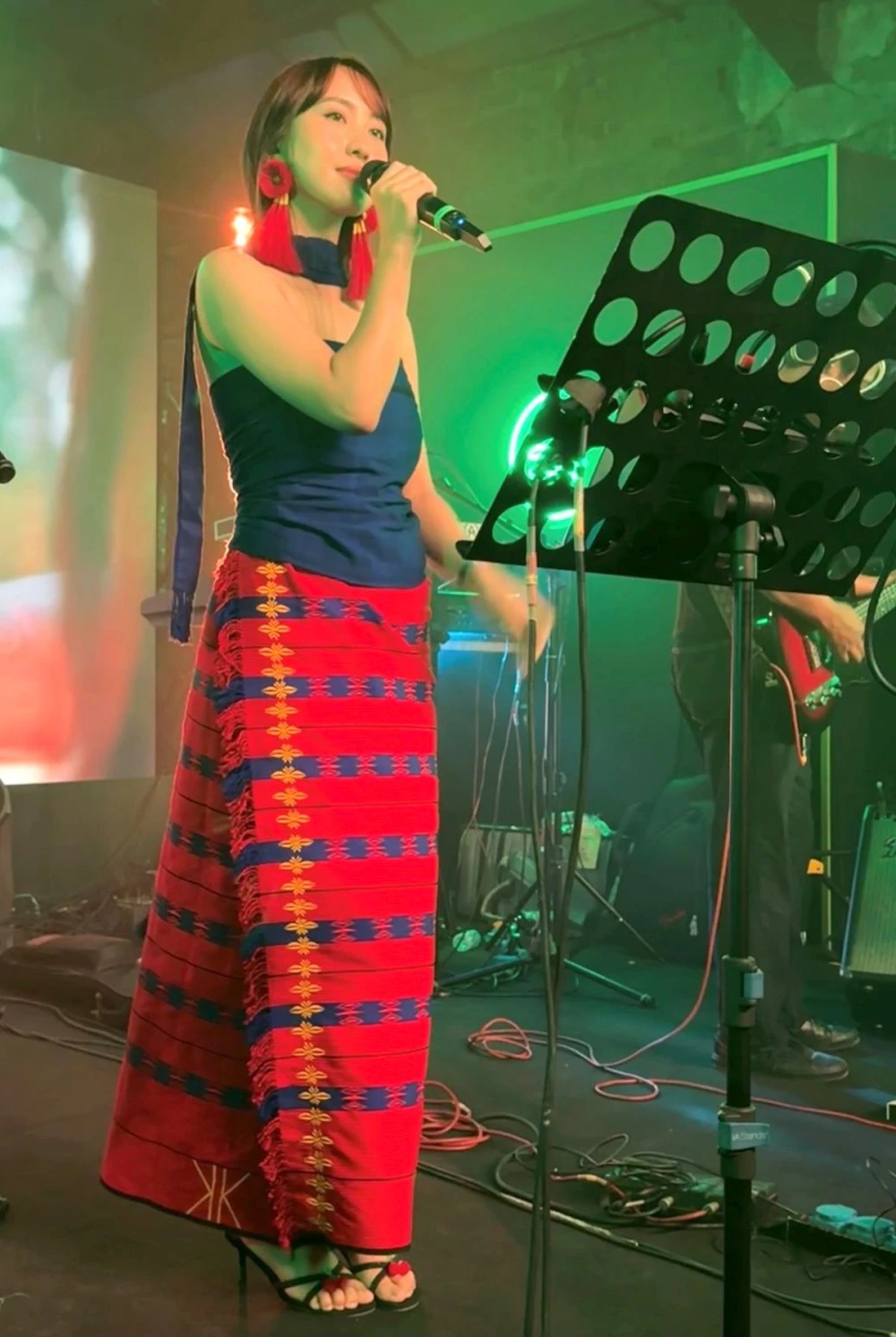
Tech, training and global collaborations
The artists’ comments come during a period of unusual visibility for Naga music on the national stage. Mech, a singer-songwriter from Thahekhu village in Dimapur became the first Naga artist to appear on GQ India’s Most Influential Young Indians list for 2026. Earlier this year, he opened for John Mayer’s debut India concert in Mumbai and represented India at the Artisjus Songbook Camp in Budapest, Hungary, where he co-wrote songs with international musicians.
“I believe the Naga music industry has made remarkable progress in the last decade,” Mech said. “The overall standard of musicianship has improved significantly, more artists are releasing original material than ever before, and access to technology has allowed musicians from even smaller towns to produce and distribute their work globally.”
Meruno, widely recognised as the first Indian artist endorsed by Yamaha Pianos and a recipient of the Governor’s Award for Excellence in music in 2007, pointed to the expansion of formal music education as the clearest sign of progress. He said the emergence of colleges offering a Bachelor of Performing Arts in music marks a turning point for a scene long dependent on natural talent alone.
“As a trained, classically trained musician myself, I am very happy to see a lot of music schools coming up, a lot of music students, and the even better news is that we have some music colleges that are offering Bachelor of Performing Arts music, which is really good,” Meruno said. “Music talent is definitely inborn, but we also need to hone those skills to refine and take it further.”
He said government and community support should be directed specifically toward music education going forward. “There are people who can go far without being trained also, without taking any lessons, but I feel there is a limitation to that,” he said. “If you are a trained musician, then automatically the refinement, the knowledge comes, so I really am all out for music education and training.”
Clover, who debuted in 2019 with the album “Confessions of a Bipolar Mind” and later won Best Pop Song at the 2021 Nagaland Music Awards, credited improved recording technology and social media for connecting Naga artists with collaborators abroad. She said she worked on two songs with Tokyo-based guitarist Toshiki Soejima after connecting with him online.
“The music industry in Nagaland deserves so much recognition for the talent it has consistently produced in the few years,” Clover said. “We have really good singers, musicians and producers, whose abilities can stand alongside artists from anywhere in the country.”
Why Naga music needs more than talent
Despite the gains, all four artists said the industry remains structurally fragile. Mech said the scene lacks the business infrastructure that allows musicians elsewhere to convert talent into sustainable careers.
“The industry lacks strong support structures such as artist management, publishing awareness, music business education, sustainable venues, and long-term investment,” Mech said. “Many talented musicians know how to create music but struggle to build sustainable careers around it. We also need stronger collaboration between artists, businesses, institutions, and policymakers to create an ecosystem where creativity can thrive beyond passion alone.”
Clover agreed with that assessment, saying limited infrastructure for artist development and distribution leaves many musicians unable to support themselves through their work, let alone reinvest in it. She said the deeper issue may be audience habits rather than artist output.
“We still can’t ignore the fact that the industry here still faces significant challenges, with limited infrastructure for artist development, management, distribution, and long-term career sustainability,” Clover said. “Most importantly, we need to build an audience culture that actively supports original music, which I believe that the people here are actively and slowly catching on.”
Longchar, a worship leader known for albums including “Warrior” and songs such as “Thank You for Loving Me,” said the industry’s growth in musicianship and production has outpaced its development of a creative vision. “We produce good songs, but very few defining works that shape culture or remain relevant across generations,” he said. “We need stronger songwriting, better mentorship, greater artistic risk-taking, and a commitment to creating music that leaves a lasting legacy rather than simply following trends.”
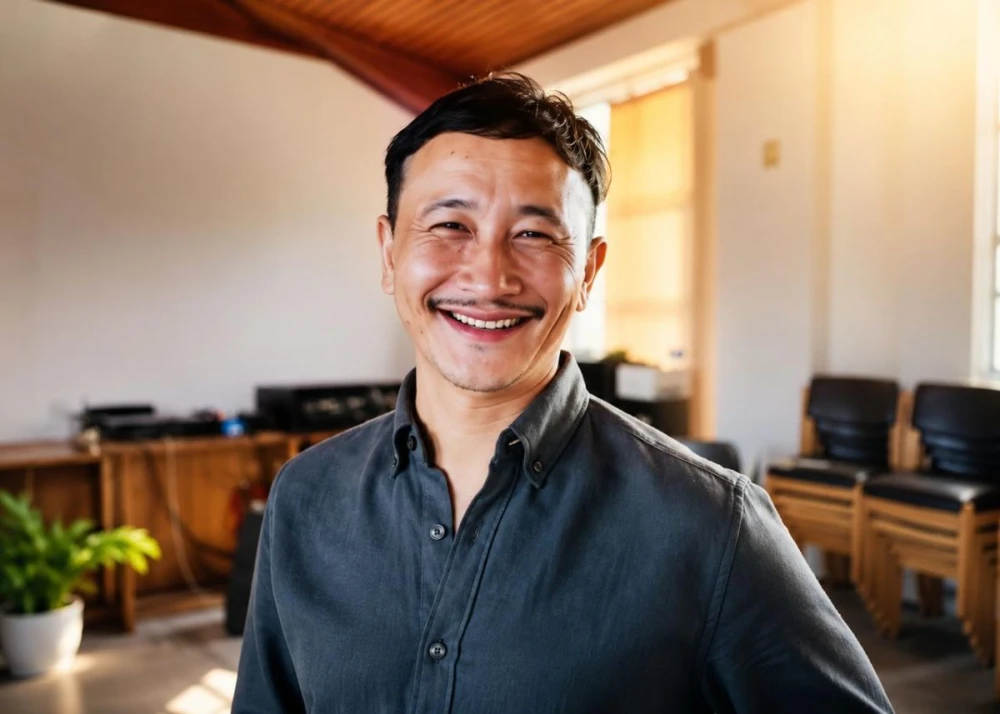
The Search for a Naga Sound
That tension, between technical growth and creative originality, extended into a broader discussion of why Naga musicians, despite a rich cultural heritage, have largely adopted external musical trends rather than developed a distinct sound of their own.
Meruno said the absence of a defined Naga sound is partly a matter of artists not yet understanding their individual strengths, a gap he said specialized training could close. He also pushed back on what he described as an industry-wide assumption that every performer must write original material.
“There are a lot of musicians, so-called singer-songwriters. Everybody is a singer-songwriter, so I also want to address that issue,” Meruno said. “You can just be a singer and that is totally fine. Not every singer has to write their own songs.” He said the industry would benefit from artists specializing in distinct roles, performing, writing, arranging, rather than each musician attempting to do everything. As for a unifying Naga sound, he said it should not be forced. “I don’t think we collectively as Naga musicians... have to strive to come up with a distinctive sound,” he said. “As long as it’s honest and you relate, you resonate with that sound, with that song, then it is totally fine.”
Mech disputed the premise that Naga musicians lack creativity, arguing instead that global trends now reach young artists in Nagaland at the same speed they reach listeners in London, Seoul, Mumbai or Nashville. “Imitation is often a stage in artistic development,” he said. “Every music scene in the world has gone through periods of borrowing before discovering its own voice.” He said the more pressing barrier is a shortage of confidence and institutional support rather than talent.
“Originality carries risk,” Mech said. “Creating something unfamiliar may not attract immediate audiences, sponsors, or online engagement. As a result, many artists feel pressured to follow proven formulas rather than experiment.”
He said a distinctive Naga musical identity would emerge once artists felt empowered to draw on their own surroundings. “That legacy cannot be forced; it must be cultivated through courage, patience, and artistic freedom,” he said.
Clover shared similar observations saying years of exposure to Western and mainstream Indian music have shaped the artistic instincts of a generation of Naga musicians, but that the deciding factor is confidence rather than ability. “Many artists still struggle to believe that their own stories, languages, experiences, and cultural identity are valuable enough to become the foundation of their music,” she said. She said commercial pressure compounds the problem, pushing artists toward imitation over experimentation, though she described her own catalog as drawing directly on Naga elements and stories. “I believe the next chapter of Naga music will emerge when artists begin asking not, ‘What is popular elsewhere?’ but rather, ‘What story can only I tell?’“ Clover said.
Longchar framed the issue as one of regional identity rather than artistic skill, describing a rapid cultural shift from a tribal past through Western influence and now into global pop culture, including the spread of Korean pop music in the region. “We have become excellent consumers of other cultures but are still learning how to confidently express our own,” he said.
He said the safety of imitation, compared with the exposure of original work, discourages experimentation. “Original work invites criticism, and as a society we have not always created an environment where experimentation is celebrated,” Longchar said. “Until we become secure in who we are, we will continue producing echoes instead of defining our own sound.”
What should Naga music speak to?
The interviews also addressed whether Naga music has lived up to its potential as a vehicle for social commentary in a region that has experienced decades of political and social upheaval. All four artists agreed that, with rare exceptions, the industry’s output functions largely as entertainment rather than as protest or testimony, though they differed on whether that should change.
Meruno attributed the absence of socially engaged music to a lack of sustained commitment from any single artist, contrasting the Naga scene with figures such as Bob Dylan and the late Assamese singer Zubeen Garg, both known for decades of activism through their music.
“Nobody has really dedicated their lives to write songs to save the environment, save the planet, make awareness for mental health and things like that,” Meruno said. “There are some people I’ve also seen in the past, where they come out with songs when a situation arises, but I don’t know if that is just being situational and not really being fully dedicated or committed to be a voice through your art.”
Meanwhile, Mech cautioned against the idea that music must be political to matter. “I would respectfully challenge the idea that music’s highest purpose must always be political or revolutionary,” he said. “Music has many roles. Sometimes it comforts. Sometimes it celebrates. Sometimes it helps people escape. Sometimes it questions society. All of these functions are valuable.” Still, he said Nagaland’s history of conflict and cultural transformation offers powerful unexplored material, and that writing about it requires a vulnerability many artists are reluctant to risk. “Audiences themselves sometimes reward entertainment more readily than introspection, which can influence what artists choose to create,” he said, adding that he remains optimistic as more musicians begin exploring themes of identity, belonging and social consciousness.
Clover said fear of controversy or misunderstanding, combined with the commercial rewards of lighter material, has kept much of contemporary Naga music detached from the region’s social and political realities. But she said that is beginning to shift. “There is a growing desire and a hunger among younger musicians to create music that speaks more honestly about identity, faith, mental health, injustice, belonging, and hope,” she said. “Music does not always have to be political to be transformative... by simply telling authentic stories, the song can become an act of healing and change.”
Longchar was the most direct in calling for change, arguing that Naga society’s experience of conflict, political uncertainty and spiritual resilience has gone largely untranslated into music. “Perhaps we are not lacking talent but courage,” he said.
“Writing songs that challenge society or expose uncomfortable truths carries personal and social costs. Entertainment is safe; prophetic art is not.” He said the path forward requires artists to pair technical skill with conviction. “If our musicians embrace both artistic excellence and moral conviction, Naga music can become more than background sound, it can become the voice of a generation,” Longchar said.