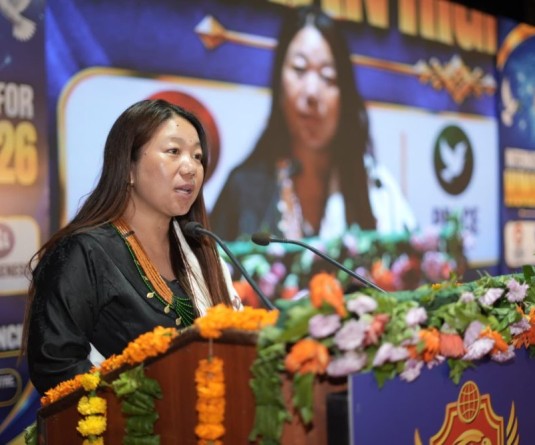
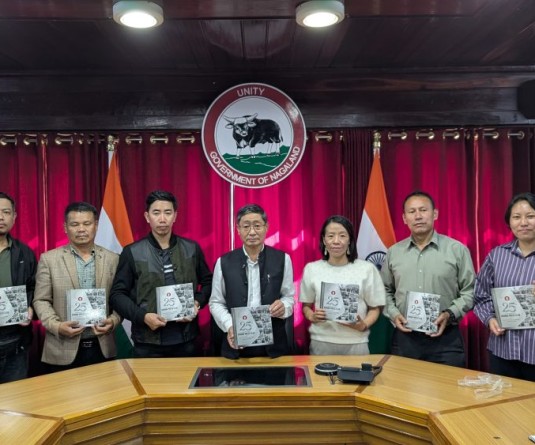
The first consultative fellowship organised by Ao Baptist Arogo Mungdang with Dimapur Area Ao medical doctors underway at Dimapur Ao Baptist Arogo on August 30. (Photo Courtesy: ABAM)
ABAM seeks community doctors’ support to address healthcare shortage
Dimapur, September 1 (MExN): The Ao Baptist Arogo Mungdang (ABAM) has initiated consultations with doctors from the community to explore partnerships for strengthening healthcare services, with manpower shortage and the need to expand palliative care emerging as key concerns.
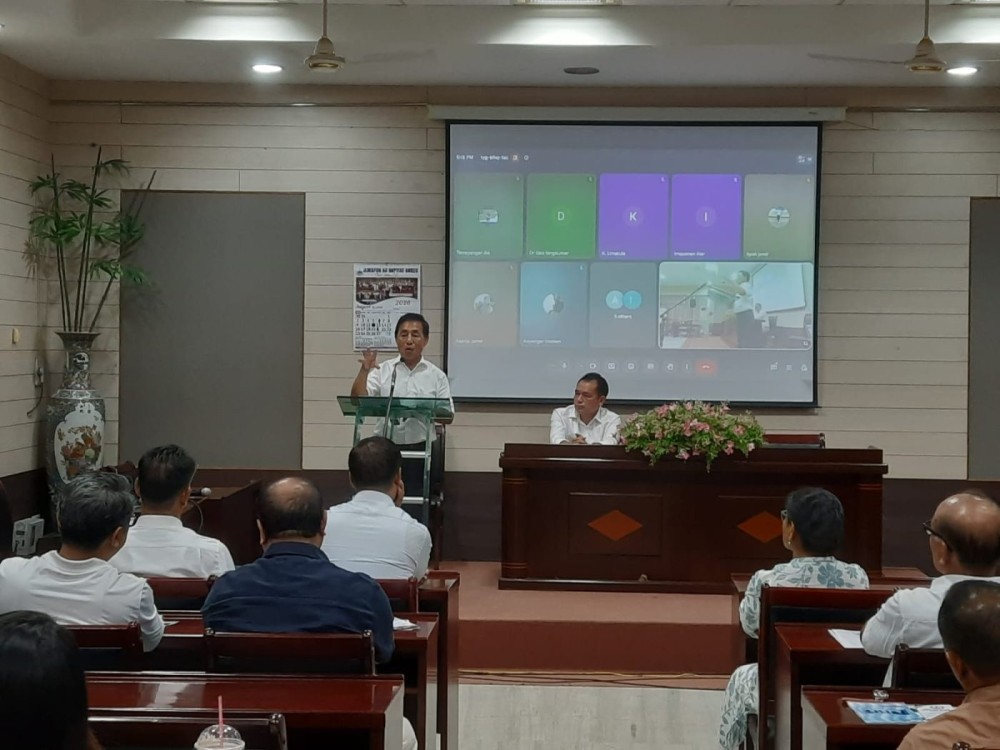
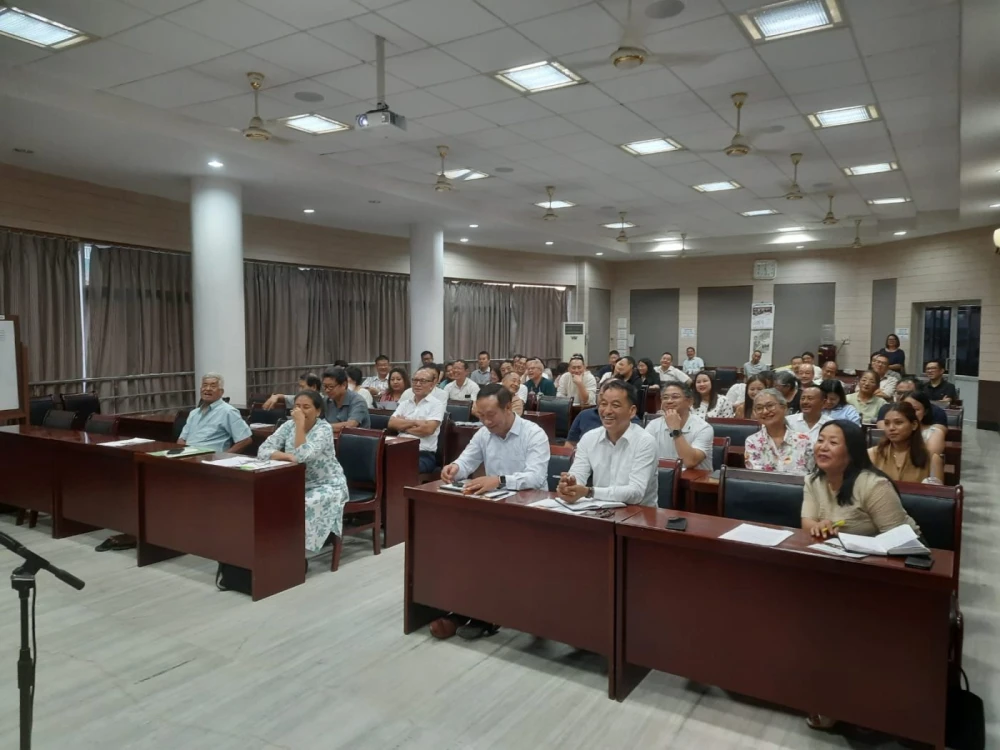
Accordingly, ABAM held its first consultative fellowship with Dimapur Area Ao Medical Doctors on August 30 at Dimapur Ao Baptist Arogo (DABA). The meeting was attended by 52 doctors in person and 15 others online..
In his keynote address, ABAM Executive Secretary Rev Temsü Jamir said the consultation was necessary to identify areas where ABAM and the medical community could work together to provide holistic services.
He said ABAM could not determine the future of its medical institutions without consulting medical professionals.
Rev Jamir identified specialised consultations, training, mentoring, medical camps, emergency and disaster response, and strengthening palliative care as potential areas of collaboration. He also called for a broader, community-oriented palliative care network, particularly to address the needs of elderly people.
A key concern raised during the fellowship was the shortage of trained professionals in palliative care. Dr Obangjungla, drawing from her experience in palliative care ministry, noted that Nagaland currently has only one MD doctor specialising in palliative care.
She highlighted Impur Christian Hospital’s (ICH) 114-year history of palliative care ministry and said it is currently the only hospital with a six-bedded palliative care facility in the State.
Dr Sashi, Chairman of the ICH Board of Trustees, highlighted the hospital’s training initiatives, including its ANM School of Nursing and General Duty Assistant programmes. Around 300 personnel have been trained, while more than 200 trained attendants are currently serving in different capacities. He said implementing the hospital’s vision would require support from medical professionals.
Dr Noktang, speaking from the medical professionals’ perspective, identified manpower as the greatest need at present. While recognising the need for specialised palliative care personnel, he said the scope of involvement should extend beyond palliative care to other areas of service at ICH.
He noted that there are at least a few hundred medical professionals within the community and said much could be achieved if they joined hands and contributed collectively. He also encouraged doctors to view their involvement with ICH as a form of mission, given the hospital’s origins as a missionary initiative.
Rev Temsü also suggested creating common platforms where churches and medical professionals could identify areas of engagement and work together to provide holistic community services, a press release from ABAM stated.
.jpg)