

Nagaland’s iconic Hornbill Festival has emerged as a national model for how large celebrations can be both vibrant and environmentally responsible. The 26th edition set a new benchmark—zero-waste, zero-plastic, and fully sustainable. From banning single-use plastics to replacing them with bamboo straws and banana-leaf plates, the festival proved that cultural pride and climate action can coexist seamlessly. With over one million plastic items avoided and nearly 50 metric tons of CO₂ emissions prevented, Hornbill demonstrated what committed collective action can achieve.
This year, plastic straws, disposable plates, cups, and bags were banned entirely. All vendors were required to use biodegradable options such as leaf plates, bamboo straws, and bagasse cutlery. Regular inspections ensured there was zero slippage. Clear signage and separate bins for wet, dry, and recyclable waste were placed across the venue. Volunteers guided visitors to segregate waste correctly, making responsible behaviour easy and intuitive. Dry waste was sent for recycling, while wet waste was composted on site and later distributed to local farmers.
Sustainable choices were thoughtfully woven into every aspect of the festival. Vendors provided compostable takeaway containers, and refillable water stations made bottled water unnecessary. Visitors were encouraged to carry their own utensils—reducing waste one meal at a time. To ensure comfort and hygiene for all guests, 42 clean and well-maintained toilets were installed throughout the festival grounds.
Local sourcing further helped cut transportation emissions, reinforcing the circular economy ethos. Recyclable materials were sorted and reused, keeping resources in the loop. Every initiative—big or small—was deliberate and impactful. In the end, the festival not only prevented massive plastic use but also significantly improved air quality by cutting 50 MT of CO₂ emissions. Hornbill stands today as a powerful reminder that sustainability is not a trend—it’s a choice that transforms communities.
Nagaland strengthens monsoon readiness through intensive sanitation measures
The Safai Apnao Bimaari Bhagao (SABB) campaign, launched under Swachh Bharat Mission Urban 2.0, led by MoHUA, aimed to strengthen sanitation systems and improve public health preparedness ahead of the monsoon season. Recognising that heavy rainfall heightens cleanliness challenges and increases the incidence of waterborne and vector-borne diseases, the initiative focused on equipping Urban Local Bodies with preventive measures, enhanced cleaning routines, and community awareness drives. The campaign aimed to mitigate monsoon-related health risks by ensuring timely action, improved waste and drain management, and strengthened civic hygiene across urban areas.
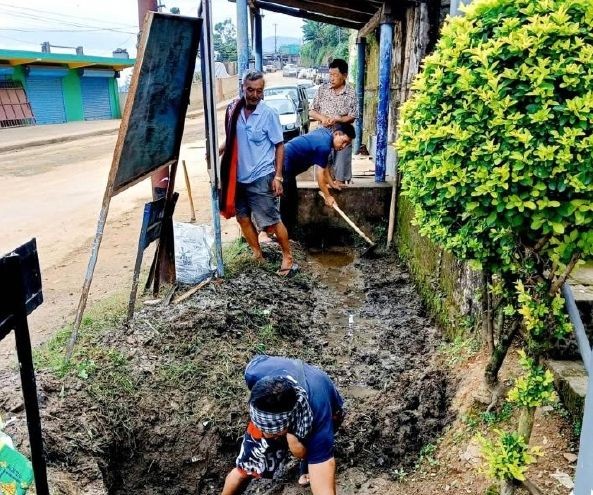
Nagaland emerged as a frontrunner among the North Eastern States, implementing proactive measures to improve monsoon wellness. Key Urban Local Bodies (ULBs) including Tuensang, Bhandari, Pfutsero, Mokokchung, Kohima, and Dimapur led focused cleanliness and sanitation drives. Dimapur prioritized storm drain maintenance, while Mokokchung conducted sanitation awareness programs in schools. Remote towns such as Tening and Tizit organized health camps and community cleanup activities.
In total, nearly 5,000 participants took part in 60 cleanliness drives, 30 rainwater harvesting initiatives, and 40 post-monsoon awareness campaigns, ensuring improved drainage, waste management, and community hygiene. The campaign successfully addressed waterlogging, cleared drains, and educated citizens about disease prevention, strengthening Nagaland’s resilience against monsoon-related health risks.
By combining community engagement, targeted infrastructure maintenance, and awareness programs, Nagaland’s efforts during the SABB campaign not only enhanced urban cleanliness but also contributed significantly to monsoon wellness, safeguarding public health across both urban and remote areas.
Issued by Ministry of Housing and Urban Affairs, Government of India

