Dimapur, October 14 (MExN): The District Mental Health Programmes (DMHP) in Mon and Dimapur observed World Mental Health Day 2026, emphasising the importance of listening to lived experiences, addressing stigma and strengthening community support for people experiencing mental health difficulties.
Observed under the theme “Lived Experiences Heard: Real Voices, Real Change,” the programmes highlighted the need for empathy, early intervention and accessible mental health services.
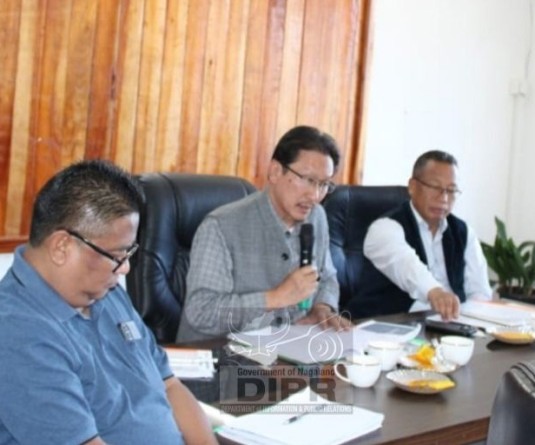
In Mon, Medical Superintendent of District Hospital Mon, Dr Benchilo Ngullie, urged the community to prioritise mental health. A key highlight was an experience-sharing session by Phamsa, a student of Wangkhao Government College, who spoke about overcoming psychological distress and the importance of friendship, understanding and emotional support in recovery.
Loungnyem Konyak, Psychiatric Social Worker, DMHP Mon, highlighted the importance of recognising early signs of mental distress, addressing stigma and seeking professional help. Clinical Psychologist Linokali Sumi stressed three principles — “Listen, Understand and Act” — while underscoring the need for compassionate care and recognition of healthcare workers’ mental health needs.
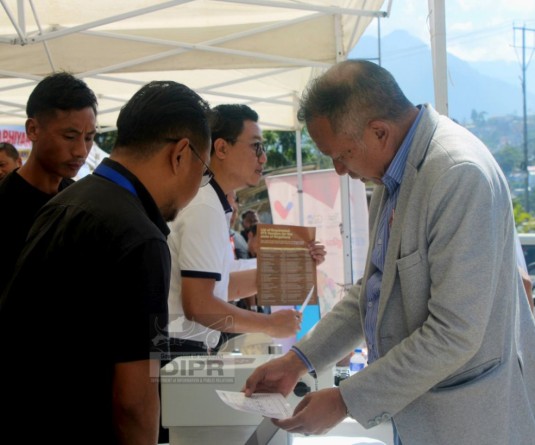
In Dimapur, the programme held at District Hospital Dimapur on October 13 brought together healthcare workers, patients, caregivers and representatives of organisations, including Blessed Bonding, Operation Salvage, Little Angels Home, Prodigal’s Home and Gracious Life Foundation.
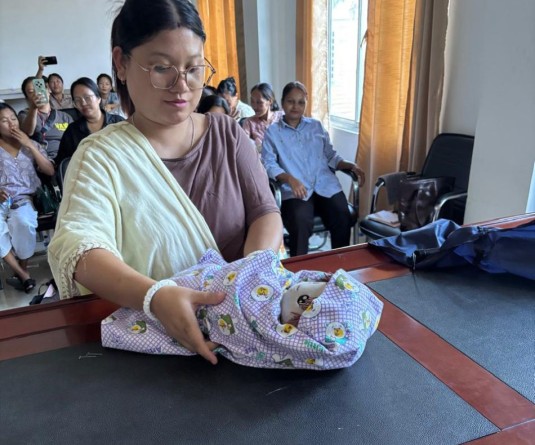
A spoken-word poetry presentation, “The Architecture,” by Merasenna Jamir and fellow DMHP interns highlighted unseen emotional struggles and the importance of kindness and self-acceptance. Students of the North East Institute of Social Sciences and Research also presented a role-play on mental health stigma and seeking help.
Psychiatrist Dr. Yansaroni Ngullie highlighted how listening to personal experiences could foster social change, while Lisali Humtsoe, Founder and Director of Gracious Life Foundation, stressed the role of community support and psychosocial rehabilitation in recovery.
Both observances called for collective efforts to create supportive, compassionate and stigma-free communities where people feel safe to share their experiences and seek help.