(Photo: AI generated image/IANS)
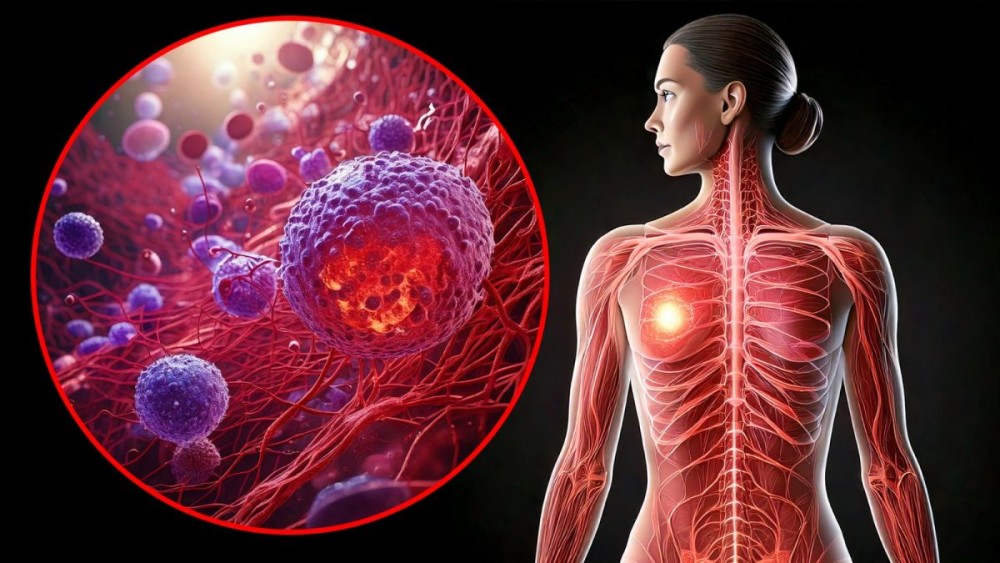
New Delhi, January 17 (IANS) Adolescent girls who actively partake in recreational physical activity can have significant protection against risks of breast cancer, according to a study.
Researchers from the Columbia University Mailman School of Public Health in the US showed that recreational physical activity may be associated with breast tissue composition and biomarkers of stress in adolescent girls.
In the study, girls who reported engaging in at least two hours of recreational physical activity in the prior week, compared with none, had lower percent water content in breast tissue -- an indicator of lower breast density and lower concentrations of urinary biomarkers linked to stress.
The findings, published in the journal Breast Cancer Research, shed new light on how physical activity during adolescence -- a critical period of breast development -- may influence biological pathways related to future breast cancer risk.
“The importance and urgency of this research are underscored by the rising incidence of breast cancer in young women and the alarmingly low levels of recreational physical activity observed both in this study and among adolescents globally,” said Rebecca Kehm, Assistant Professor of Epidemiology at Columbia Mailman School of Public Health.
“Our findings suggest that recreational physical activity is associated with breast tissue composition and stress biomarker changes in adolescent girls, independent of body fat, which could have important implications for breast cancer risk,” Kehm added.
The study aligns with previous research in adult women showing that higher levels of physical activity are associated with lower mammographic breast density, a key predictor of breast cancer risk.
During adolescence, participants self-reported past-week engagement in recreational physical activity, including both organised and unorganised activities, and completed clinic visits that included blood and urine collection as well as breast tissue assessments.
The average age of girls in the study was 16 years. More than half (51 per cent) reported no recreational physical activity in the past week. Seventy-three per cent reported no participation in organised activities, and 66 per cent reported no participation in unorganised activities.
The team noted that additional longitudinal studies are needed to determine how these adolescent biomarkers may translate into breast cancer risk later in life.


.jpg)