(Photo source: X/@WhiteHouse)
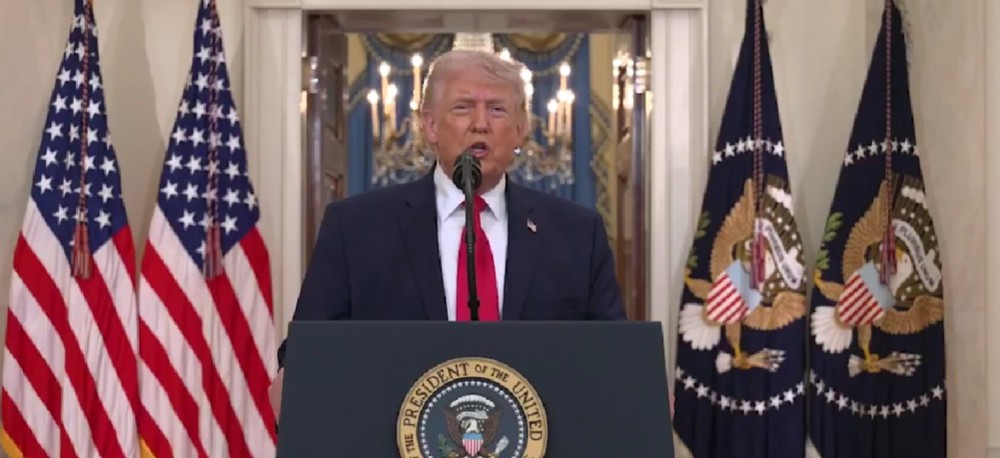
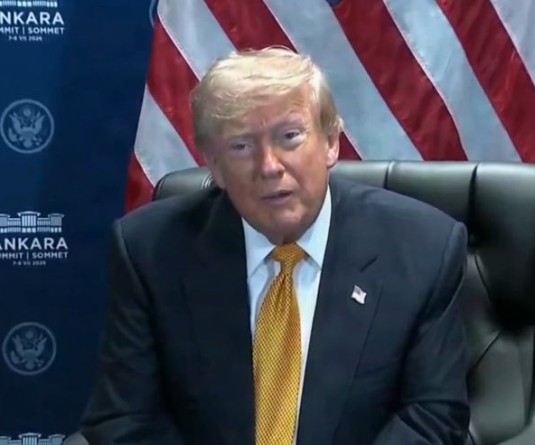
Washington, April 2 (IANS) US President Donald Trump has said that countries that depend on key global routes should take responsibility for securing them.
He questioned why the United States should continue to police critical energy corridors such as the Strait of Hormuz.
“Let China do it. Let Japan do it. Let South Korea do it… what the hell are we doing it for?” Trump said in his remarks at a White House Easter lunch. The video of the event was posted by White House on its YouTube channel, only to be removed later. The event was closed to the press.
He said the US has carried this burden for years. “We have been for years,” he said, referring to efforts to secure the strait.
Trump indicated a possible shift in policy. He said the US was “getting ready to get out of there.”
He framed the move as part of a broader change in US strategy. American military action, he said, should focus on direct national interests.
“All I want to do is make sure they don’t ever have a nuclear weapon,” Trump said.
He also stressed that US forces can act without allies. “We didn’t need them,” he said.
Trump said countries that benefit from global trade routes should help protect them. He suggested the current model puts too much pressure on the United States.
The remarks signal a push for burden-sharing among partners and allies.
They also reflect a more transactional approach to US foreign policy.
The Strait of Hormuz is one of the world’s most important oil routes. A large share of global crude passes through it.
Any change in US involvement could affect energy markets and supply chains.
India is among the largest energy importers in the world. A significant portion of its crude comes from the Gulf.
Stability in the Strait of Hormuz is therefore critical for India’s energy security.
India has long followed a policy of strategic autonomy. It avoids formal alliances but works with partners to protect its interests.