

Photo by Mithichar Basumatary
Aditi Ramchiary
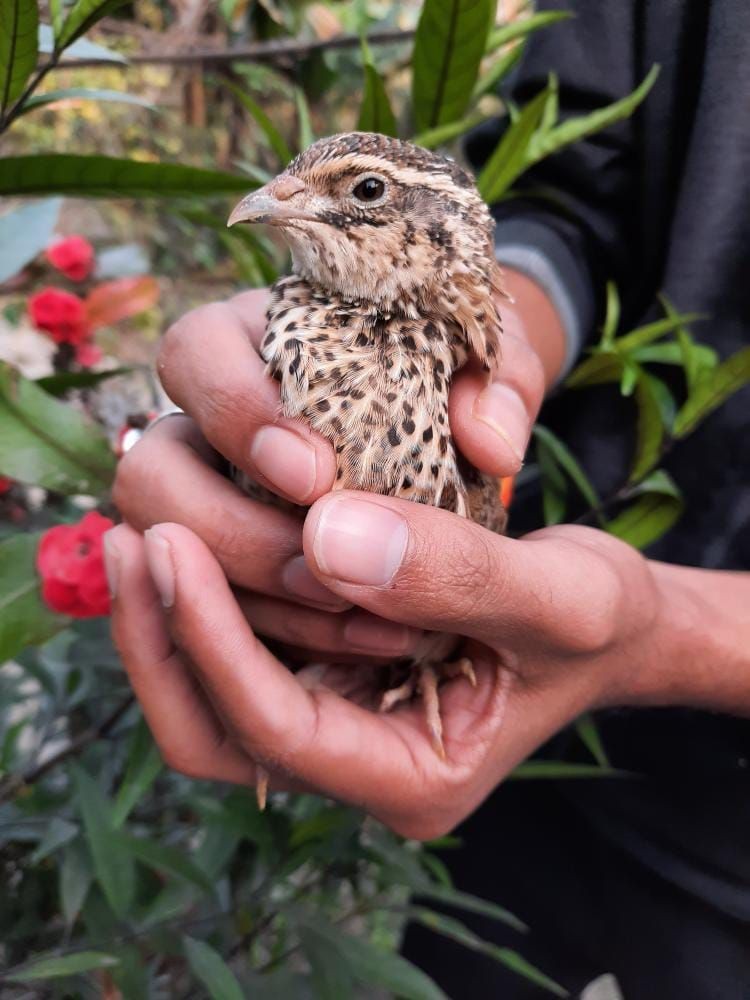
In the weekend markets of Assam, pairs of Japanese quails (Coturnix japonica) are sold for around Rupees 250, popularised by vendors as high nutritional delicacy with health-boosting eggs. This small migratory grassland bird has become a talked-about protein source in northeast India’s rural diets, which have now also reached the cities. Yet, its story blends culinary appeal with conservation intrigue as this species is globally Near Threatened on the IUCN Red List since 2016. Its wild population is in decline in its native regions, ranging from East Asian farmlands in Japan to Russia.
Introduced to India in 1974 by the Central Avian Research Institute (CARI) for poultry farming, this quail exploded commercially because of its superfast growth and maturity period of less than two months. Once mature, they lay around more than 250 eggs per year, which is more than what chickens give, making egg sales highly profitable. The Assam Agricultural University (AAU) and Krishi Vigyan Kendras promoted it in the 1980s-90s as a livelihood booster using local feeds like termites for cost-effective rearing. By 2012, BNHS surveys confirmed market dominance in Assam, birds traced to farms and not wild catches.
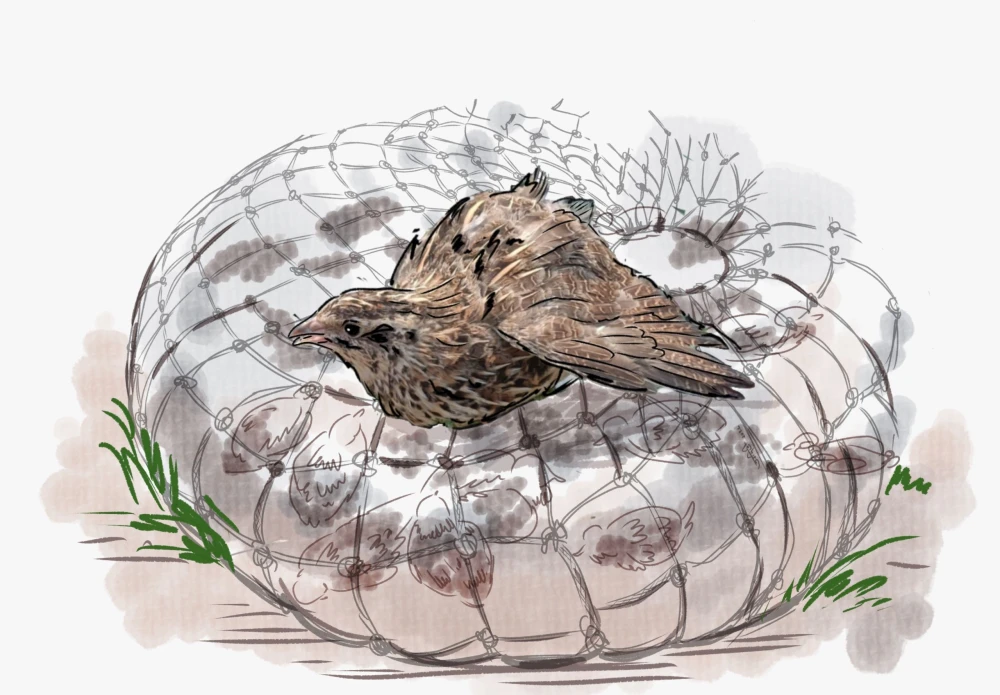
Many Self Help Groups (SHGs) have taken up this opportunity to create livelihood opportunities that include minimal investment but good profit. These quails are usually reared in wooden or wired mesh cages. There are training programs initiated by the government for eligible farmers.
But whispers of wild origin persist in the northeast regions of India. While Japanese quails are not native to India, there is information suggesting they winter in India, mainly in northeast. Sightings in Assam, Arunachal and Bhutan were under debate to understand if they were rare wild vagrants or farm escapes or misidentified Common quails (C. coturnix). Birdlife International excludes these regions from core geographical ranges of this species, citing no breeding evidence despite long-term grassland monitoring and therefore current evidence only suggests a wild population in India to be unlikely and unconfirmed.
Distinguishing the Japanese quail with its closest wild neighbour, the Common Quail which is protected under the Wildlife (Protection) Act has been one big conservation challenge. However, in 2025, scientists from Central University of South Bihar (CUSB) and National Institute of Animal Nutrition and Physiology and Salim Ali Centre for Ornithology and Natural History (SACON), using DNA analysis, has made it now possible to distinguished farmed Japanese quails from wild Common Quails, which have always been a challenge. This, in turn, also resolves trade bans that once halted the farming of Japanese Quails because of fear of misidentification.
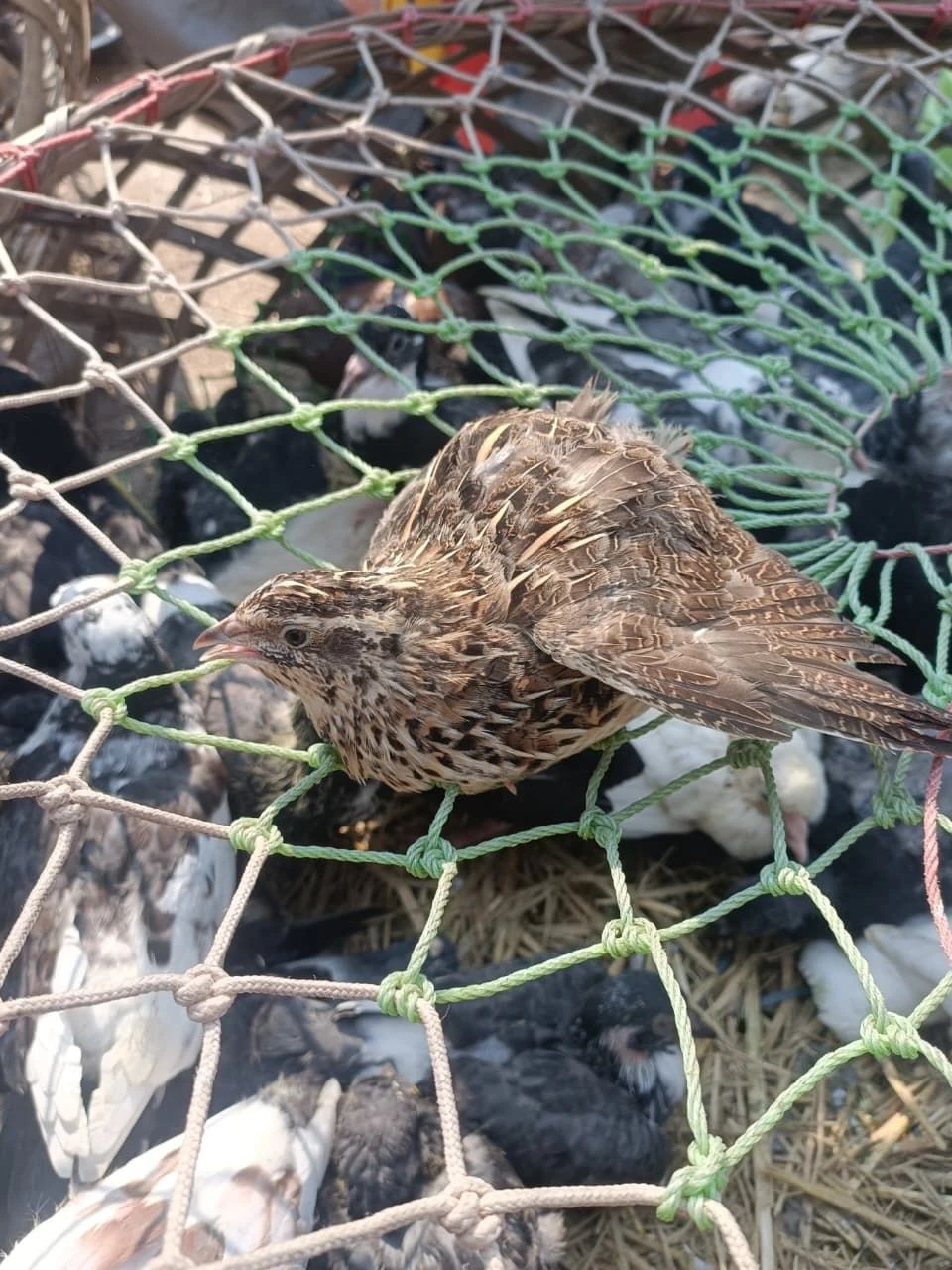
While the species is globally threatened by grassland loss and hunting and mainly in Japan, the Indian farm quails offer economic respite, but not wild recovery. The sale of these domesticated quails curbs wild poaching incentives while boosting livelihoods.
As these quails sizzle on plates, a question still lingers of migrant marvel or market import mainly in the northeastern part of India.
Aditi Ramchiary is a researcher from Assam with a keen interest in human-wildlife interactions and urban ecology. She holds a postgraduate degree in Environment and Development from Ambedkar University Delhi.

