(Xinhua/Sanaullah Seiam/IANS)
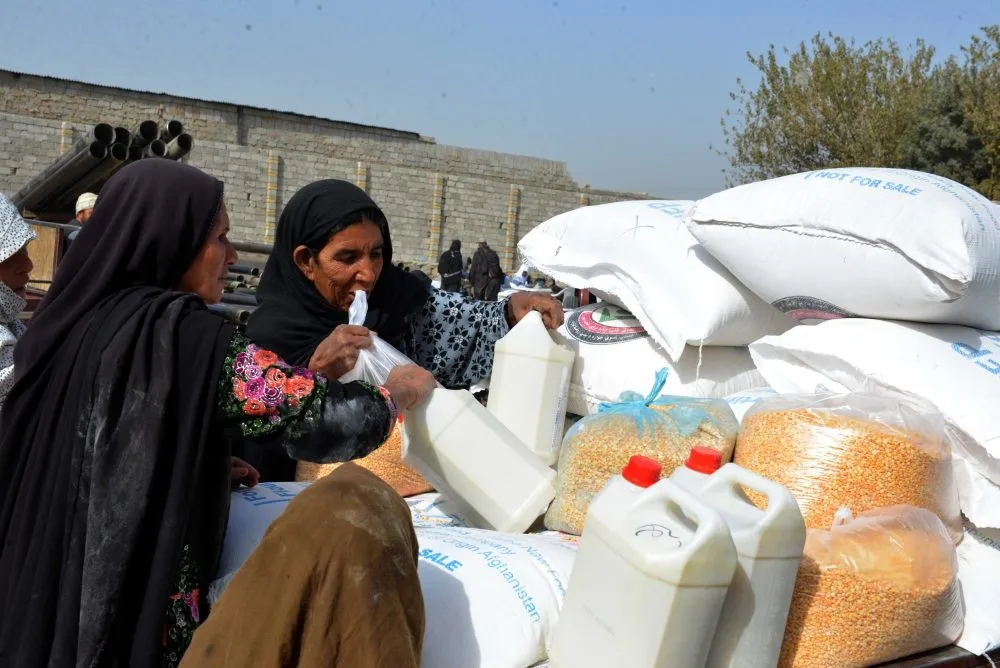
Kabul, November 26 (IANS) The United Nations has said that the reduction in humanitarian aid in Afghanistan has been forcing the closure of essential support services for women and girls, local media reported on Thursday.
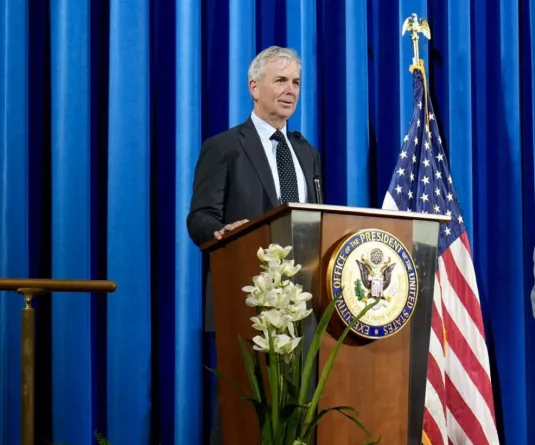
UN Women’s Special Representative in Afghanistan, Susan Ferguson, said that economic problems, recurring humanitarian crises, environmental shocks and restrictions on women's rights have increased the challenges faced by women and girls across the country, Afghanistan-based Ariana News reported.
UN Women said that over 193 centres providing support to survivors of violence have closed in Afghanistan in 2026 due to funding shortages, impacting over one million Afghan women and girls.
Nearly three-quarters of 74 women's organisations in Afghanistan faced funding cuts in 2025, while half expected to suspend or completely stop operations by April next year. The possible closures could result in around 427,000 women in Afghanistan being at immediate risk of losing access to essential support services.
Ferguson urged the international community to provide more funding for women-led organisations and support efforts to protect Afghan girls and women from violence.
The UN reported that women in Afghanistan are nearly four times less likely than men to access formal justice systems, further restricting their ability to seek action in cases of abuse, Ariana News reported.
Last month, the United Nations Assistance Mission in Afghanistan (UNAMA) said that it is "gravely concerned" about the recent arrests, detentions and threats of arrest targeting women and girls by the Taliban authorities in various parts of Afghanistan. It has urged the Taliban to stop discriminatory enforcement practices targeting women and girls and uphold Afghanistan's obligations under international human rights law.
According to UNAMA, at least 52 women and one girl were arrested or detained in Herat and Kabul, while other women faced threats of arrest from July to September. The number of cases may be higher due to under-reporting related to protection concerns and stigma.
UNAMA said that these incidents were linked to alleged violations of the Taliban's dress code requirements. Women were arrested for not wearing a chador, having visible hair, wearing colourful scarves or makeup, or being in public without a mahram (a close male guardian, such as a brother, husband or father). The women were released after spending hours in detention, according to a UNAMA statement.
"UNAMA is also alarmed by incidents involving verbal abuse, beatings and threats against women, including female shopkeepers. UNAMA reiterates that these acts violate women and girls' rights to freedom of movement, expression and autonomy. Arrests and detentions also expose women and girls to severe social stigma and further marginalisation," the statement reads.
"UNAMA urges the de facto authorities to cease discriminatory enforcement practices targeting women and girls, ensure respect for the human rights and dignity of all Afghans, and uphold Afghanistan's obligations under international human rights law," it added.
Since seizing power in Afghanistan in August 2021, the Taliban has imposed restrictions on women and girls, including on education, employment, movement and public life. Taliban has prohibited girls from attending school beyond sixth class, and women have been prohibited from attending universities.