Clarifies meeting not a collective position; reaffirms inclusive approach to Naga political issue
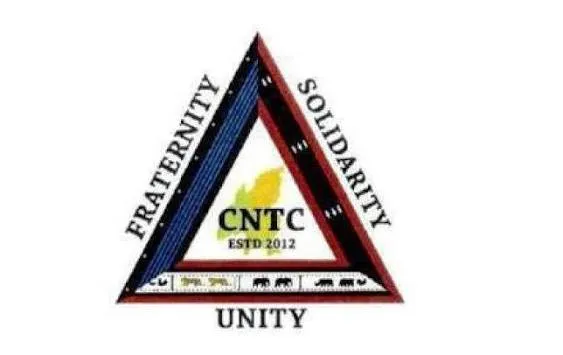
Dimapur, November 24 (MExN): Amid controversy surrounding its Senior Consultative Meeting held on November 12, the Central Nagaland Tribes Council (CNTC) has clarified that the views expressed during the meeting were those of individual speakers and did not necessarily represent the Council's institutional position.
In a press statement issued on November 24, the CNTC said the meeting was consultative in nature and intended to facilitate an exchange of perspectives rather than arrive at or announce a collective institutional position on every matter discussed.
The Council stated that the meeting, held at its office under the theme “Naga Political Issue: Perspectives, Challenges and the Way Forward for an Acceptable and Lasting Solution,” brought together senior personalities individually invited to share their thoughts, experiences and perspectives on matters of collective concern.
It said the presence of the media was intended to uphold transparency, encourage informed public discourse and provide greater clarity on issues surrounding the Naga political issue.
While clarifying its position, the CNTC maintained that the critical observations raised during the meeting were worthy of serious reflection and that constructive engagement and appropriate remedial measures, wherever necessary, should be encouraged.
The Council also reiterated its commitment to an inclusive approach towards an early and honourable resolution of the Naga political issue, stating that every Naga had contributed to the collective struggle in their own way and that every contribution deserved recognition and respect.
It maintained that any solution must be acceptable to all stakeholders, with its contents and implications made known to the Naga people in a transparent manner. The aspirations, sentiments and collective will of the people, it added, must not be undermined, overlooked or compromised in the pursuit of a solution.
“The people have every right to be fully informed of any agreement that seeks to determine their political future,” the CNTC stated, reiterating its commitment to the larger Naga cause and readiness to extend support whenever there was a clarion call.
On the reactions following the meeting, the Council expressed concern over what it described as name-calling and baseless assumptions about its objectives and intentions. It also criticised remarks circulating on social media that allegedly denigrated the legacy and contributions of a pioneer of Naga education and literature.
The CNTC further expressed concern over what it described as threatening and intimidating expressions directed at a particular section of the Naga tribe, as well as attempts to inflame the situation by taking sides or defending particular positions.
It said differences in opinion were natural, particularly on an issue as significant and complex as the Naga political issue, but should be addressed through reasoned dialogue, mutual understanding and responsible public discourse rather than emotional reactions, personal attacks or attempts to discredit others.
“No disagreement or difference of perspective can justify disparaging the legacy of a respected pioneer, belittling his contributions or threatening the dignity and security of any Naga community,” the Council stated.
It added that it would not remain a silent spectator if targeted insults, intimidation and threats continued, and would be compelled to take appropriate measures as deemed necessary.
The CNTC also placed on record its appreciation for the senior personalities who participated in the consultative meeting, stating that their contributions were valued towards a broader understanding of issues confronting the Nagas.
However, it asserted that convening a consultative meeting did not amount to endorsing every opinion expressed during the proceedings. The Council said it retained its institutional independence and the prerogative to examine, assess and deliberate upon all observations, including those with which it might not necessarily agree.
It also reserved the right to convene similar consultations whenever the need arose in pursuit of the larger Naga interest.
Appealing to all concerned to exercise restraint, responsibility and mutual respect, the CNTC said constructive criticism and differing perspectives were essential to meaningful discourse. However, disagreements should not descend into personal hostility, intimidation or rhetoric that threatened the bonds of fraternity among the Naga people.
The Council concluded by reiterating that the larger Naga interest must prevail over individual differences, narrow considerations and momentary disagreements, and said it remained committed to fostering unity, strengthening fraternity and encouraging open and constructive engagement towards an acceptable and lasting solution.