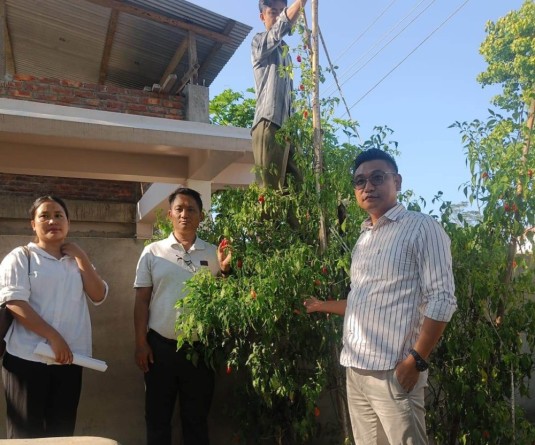
School Education Advisor Dr. Kekhrie Yhome during the inauguration of Badze Leshüki.
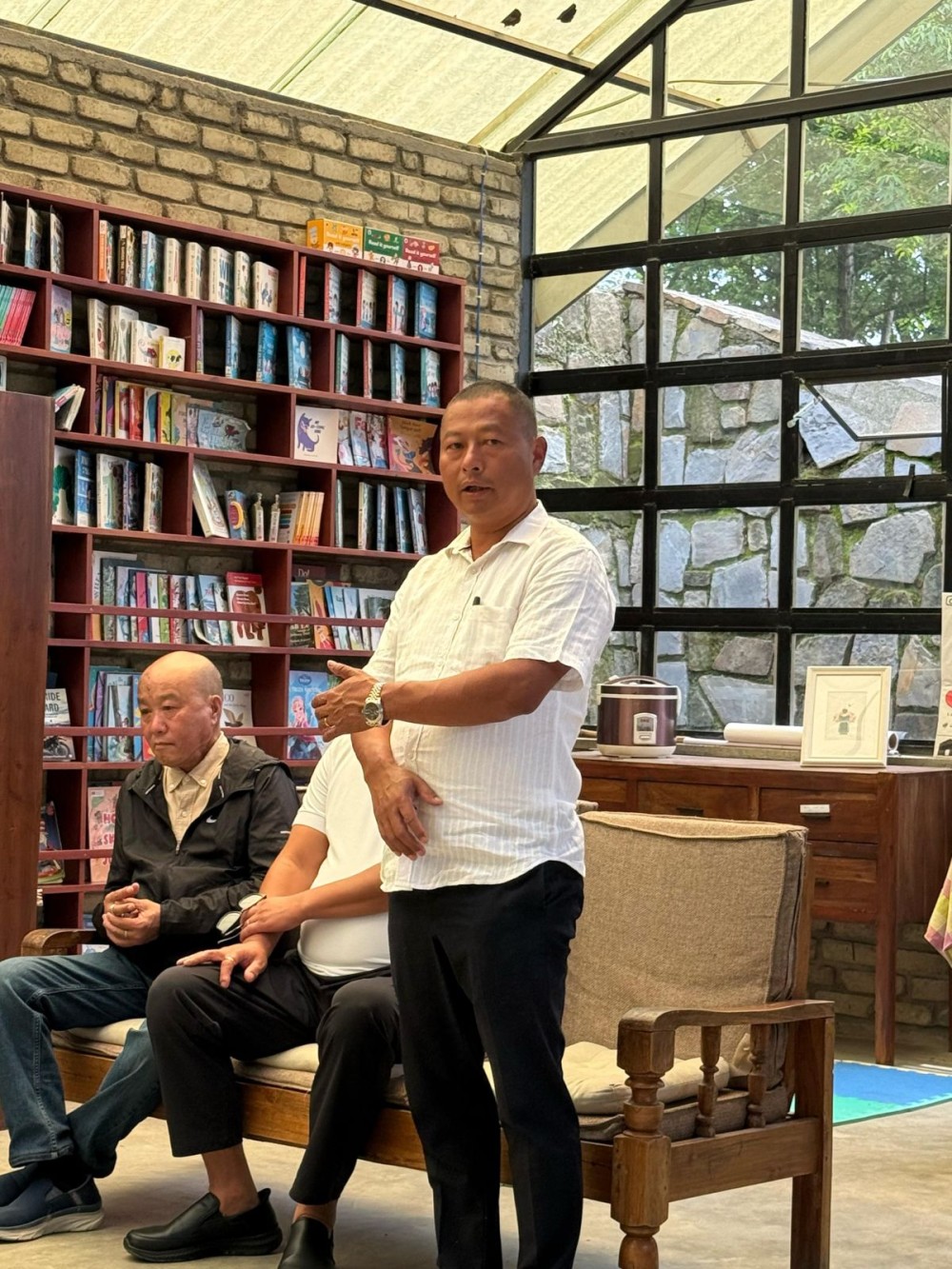
Kohima, June 5 (MExN): Badze Leshüki, an alternative learning centre located at Kimho under P. Khel, Kohima Village, was inaugurated on June 4 by School Education Advisor Dr. Kekhrie Yhome.
A press release by the Dr. K & T Keditsu Foundation informed that the learning centre has been established under the Centre for Indigenous Knowledge and Alternative Learning (CIKAL) initiative of the Foundation. The institution aims to integrate indigenous Naga knowledge systems with contemporary educational approaches grounded in critical pedagogy.
The inauguration programme was attended by founders, trustees and invited guests. Addressing the gathering, Dr. Yhome appreciated the innovative pedagogical practices being implemented at the school. He thanked the institution for allowing officers of the School Education Department to observe multigrade learning in practice and expressed interest in continued collaboration and exchange of ideas.
Dr. Yhome also spoke about challenges facing the education sector and stated that schools such as Badze Leshüki provide contextual and locally grounded responses to the question of how children can be meaningfully educated for the future.
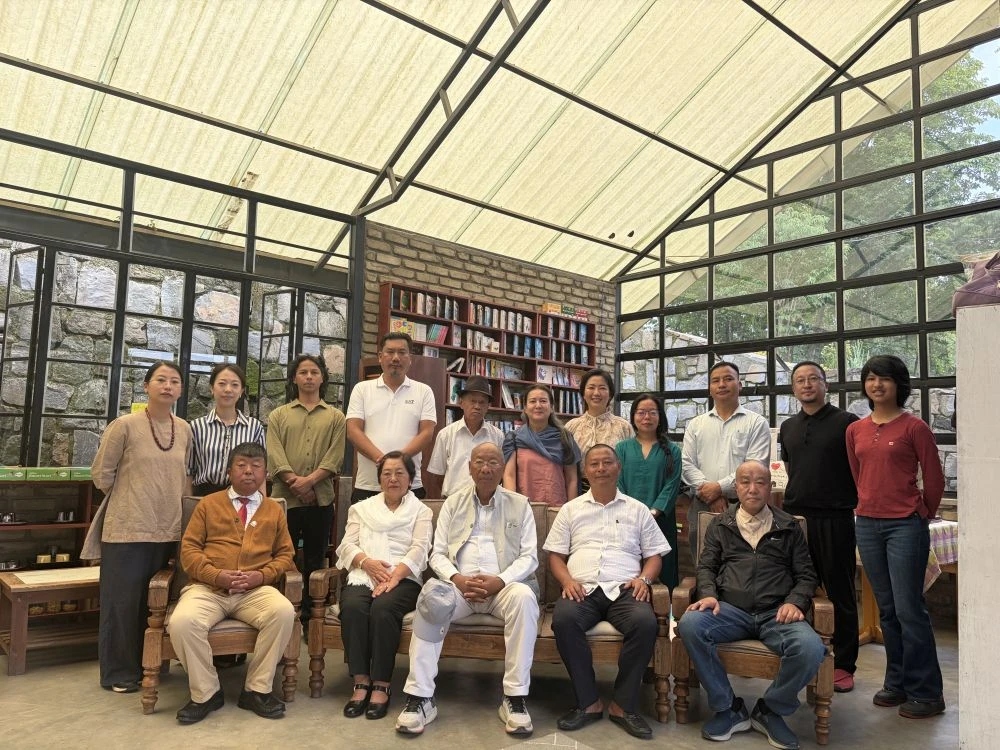
During the programme, Founding Trustee and school proprietor Dr. Kezevituo Keditsu formally transferred the school to the charge of the Dr. K & T Keditsu Foundation, marking what the release described as a significant milestone in the institution's development and long-term stewardship.
The school was consecrated by Rev. Keviyiekielie Linyu, Pastor of Ebenezer Baptist Church. Speaking on the occasion, Dr. Neiphrezo Keditsu, Advisor to the Chief Minister and Chairman of the Village Industries Board, stressed "the need for education to connect children to their roots."
The programme was moderated by Dr. Theyiesinuo Keditsu.
Set within a forest campus in Kimho, Kohima Village, Badze Leshüki follows a play-based, multigrade and transdisciplinary learning model drawing from both indigenous knowledge and contemporary educational thought. The release stated that its curriculum complies with the National Education Policy (NEP) 2020 and the National Curriculum Framework for Foundational Stage 2023.
The institution aims to contribute to the development of alternative educational models that are locally rooted, environmentally conscious, culturally responsive and future-oriented, the release added.