Govt disconnects over 88 lakh suspicious mobile connections to tackle cyber frauds (AI Image/IANS)
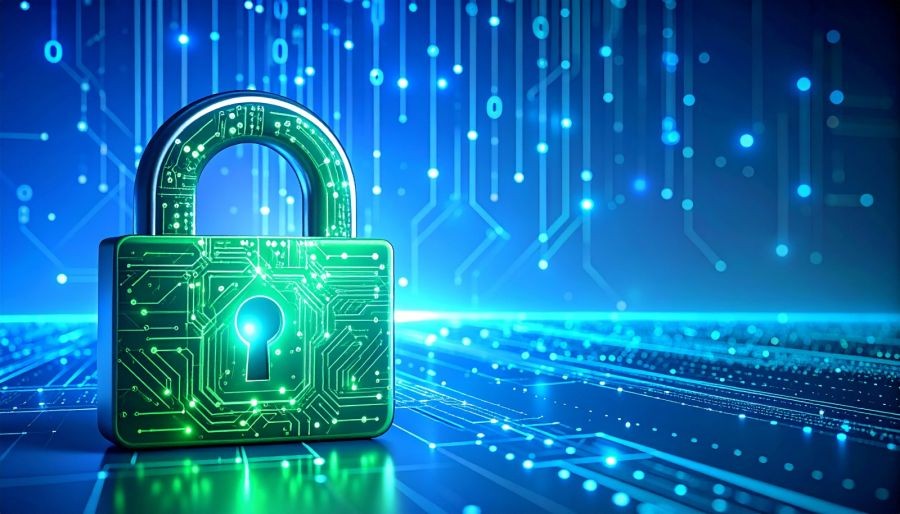
New Delhi, July 23 (IANS): The Department of Telecommunications (DoT) has used an artificial intelligence and big data analytics tool to identify and disconnect 88 lakh suspicious mobile connections, as part of measures to tackle cyber frauds, an official statement said on Thursday.
DoT developed the tool namely ASTR which identified these mobile connections that "have been disconnected after failing reverification," Union MoS Communications and Rural Development Dr. Chandra Sekhar Pemmasani said in the Rajya Sabha outlining measures taken to tackle cyber frauds.
Further, Chakshu facility of Sanchar Saathi enables citizens to report the suspected fraud communications and it has helped target misuse of telecom resources.
Around 50.90 lakh mobile connections had been disconnected as of July 15, 2026, based on 11.18 lakh crowd‑sourced reports of suspected fraud communications submitted through the Chakshu facility on Sanchar Saathi, the statement from the Ministry of Communications said.
The statement added that DoT uses crowd-sourced data for analysis rather than acting on individual submissions.
Under the Government of India (Allocation of Business) Rules, 1961, matters relating to cybercrime are allocated to the Ministry of Home Affairs (MHA).
However, DoT has developed Digital Intelligence Platform (DIP), for bi-directional information sharing with stakeholders including Indian Cyber Crime Coordination Centre (I4C) of MHA for prevention of misuse of telecom resources for cyber-crimes and financial frauds.
Securities and Exchange Board of India (SEBI) has issued advisories to its regulated entities for onboarding on DIP for information sharing. DoT has conducted sessions on DIP for the regulated entities of SEBI and more than 50 such entities are on-boarded on DIP, the minister said.
National Cyber Coordination Centre (NCCC), implemented by CERT-In, examines cyberspace to detect cyber security threats. It shares the information with concerned organizations, state governments and stakeholder agencies for taking action.