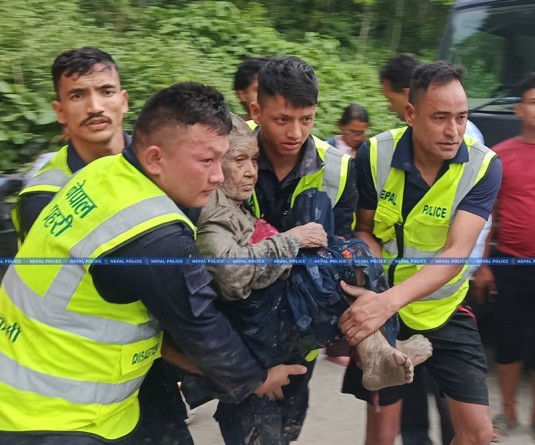
Himalayan disasters: Remembering 2021 Chamoli deluge and beyond in the wake of Nepal tragedy (Photo: IANS)
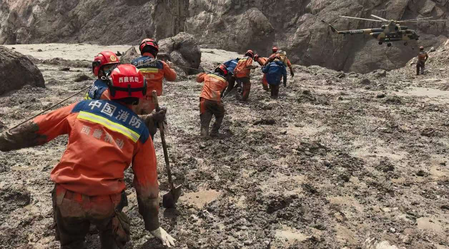
New Delhi, August 29 (IANS): The Nepal deluge has once again exposed the vulnerability of the Hindu Kush Himalaya (HKH) region, where huge chunks of glaciers slide down with or without heavy monsoon downpours, sending torrents of water, mud and debris sweeping through valleys.
While the flooding in Nepal may appear localised, it swallowed buildings and bridges, displaced thousands and claimed hundreds of lives.
Experts say this catastrophe is not an isolated weather event but part of a larger systemic pattern of ecological instability across the subcontinent, with the tragic Chamoli disaster of February 2021 in Uttarakhand repeatedly cited in reportage.
In a similar incident, Chamoli district witnessed a horrific flash flood when a massive chunk of rock and ice broke from the Nanda Devi glacier. The avalanche triggered a cascading gush of water that slammed into the Rishiganga and Dhauliganga rivers, causing sudden inundation. Two dams were destroyed, the hydropower project at Reni village was damaged, and hundreds of workers were trapped in downstream tunnels. Water levels on the Alaknanda also rose. Reports confirmed over 200 deaths.
The Chamoli tragedy served as a stark warning, pointing to the Himalayas structurally weakening under dual pressures of climate change and aggressive, often uncoordinated infrastructure development. Analysts have drawn structural links between the Nepal deluge and Chamoli, rooted in shared geological and meteorological conditions. Both regions lie within one of the youngest yet most tectonically active mountain ranges in the world, with fragility heightened by rising global temperatures.
In Chamoli, thawing permafrost and melting glaciers compromised the mountainside’s strength, leading to collapse. In Nepal, warmer atmospheric conditions and construction near the China border altered climatic patterns, producing hyper‑localised cloudbursts. Such extremes destabilise terrain, triggering debris flows akin to glacial lake outburst floods (GLOFs).
A GLOF in Pakistan’s Gilgit‑Baltistan last week damaged more than 100 houses and blocked the Ghizer River. The sudden release of water from a glacial lake swept through downstream villages, causing widespread destruction.
In Nepal, rivers that flooded parts of the country flow into India’s Indo‑Gangetic plains, extending ecological threats beyond borders. Recurrent disasters in the HKH region underscore how lack of regional coordination and infrastructure multiplies hazards.
Reports highlight that large dams built by China and roads carved into fragile hillsides without proper environmental assessment destabilise terrain, turning manageable anomalies into lethal disasters. An intergovernmental effort involving Afghanistan, Bangladesh, Bhutan, China, India, Myanmar, Nepal and Pakistan has been initiated to unify real‑time data‑sharing networks for early warning systems.
Experts stress the urgency of automated alerts across borders if a glacial lake breaches or a landslide blocks an upstream river. They also call for “climate‑smart” infrastructure planning, halting massive hydropower and highway projects in ecologically sensitive zones.
The tragedies demand collective realisation that the mountains are changing faster than human adaptation, and only regional solidarity can prevent the next deluge.