Representational Image. (IANS Photo)
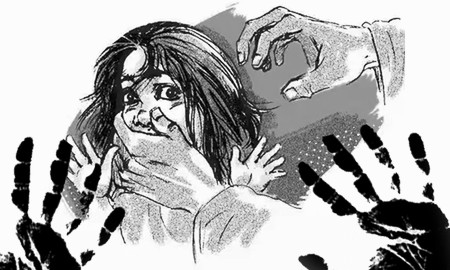
Clarifies legal provisions, seeks responsible reporting
Dimapur, June 3 (MExN): The District Child Protection Unit (DCPU) Dimapur has appealed to the media and public to exercise “utmost caution” while reporting on a Protection of Children from Sexual Offences (POCSO) case, clarifying that no restrictions have been placed on parental visits to the child, even as it outlined the legal framework governing its actions.
In a statement, the DCPU said the child was rescued by the Child Helpline on May 23, 2026, and that all actions undertaken by the child protection machinery were being carried out in strict compliance with the Juvenile Justice (Care and Protection of Children) Act, 2015 and the POCSO Act, “with the foremost consideration being the best interest, safety, dignity and overall welfare of the child.”
Parental visits not restricted
Clarifying recent media reports, the DCPU stated that restrictions had been applied only to third parties, not to parents. “There are no restrictions on parental visits. Restrictions have only been applied to third parties. This measure is necessary to prevent further trauma and to ensure the child’s best interests are prioritized,” the statement said. It added that the child currently requires “intensive counselling, care and protection.”
Child rescued, counselling initiated
According to the DCOPU statement, upon receipt of information, the child was immediately rescued by the Child Helpline and necessary procedures were initiated through the concerned authorities. “The child’s parents were informed and appropriate interaction with the child was facilitated in accordance with due process and child protection norms,” it added.
The unit stated that the child was provided counselling and psychosocial support, and requisite interventions were undertaken through the coordinated efforts of the District Child Protection Unit, Child Welfare Committee and Child Helpline, Dimapur.
Statutory framework
The DCPU noted that the Child Welfare Committee (CWC) is a statutory body constituted under Section 27 of the JJ Act, 2015, vested with powers equivalent to those of a Metropolitan Magistrate or Judicial Magistrate of First Class. Under Section 30(xiii) of the Act, the Committee is empowered to undertake measures for the care, protection and rehabilitation of sexually abused children reported as Children in Need of Care and Protection under the POCSO Act.
All decisions relating to the care, protection and temporary placement of the child were guided by the principles of Best Interest, Safety and Right to Privacy and Confidentiality enshrined under Sections 3(iv), 3(vi) and 3(xi) of the Juvenile Justice (Care and Protection of Children) Act, 2015.
“The investigation and legal proceedings in the matter are being undertaken by the competent authorities in accordance with law, with the paramount objective of safeguarding the rights of the child,” the DCPU added.
Appeal on identity disclosure
The DCPU, in the best interest of the child, has appealed to the media and public to exercise utmost caution while reporting on matters relating to Protection of Children from Sexual Offences (POCSO) cases.
Section 74 of the Juvenile Justice (Care and Protection of Children) Act, 2015 prohibits disclosure of the identity of a Child in Need of Care and Protection (CNCP) and Child in Conflict with Law (CCL) in any form. Section 23 of the POCSO Act, 2012 mandates that no report or comment concerning a child should be made without complete and authentic information and that any details which may directly or indirectly reveal the identity of the child should be disclosed. The Committee and its allied child protection machinery remain “fully committed to ensuring that every legal requirement is adhered to meticulously and that due process is followed in both letter and spirit,” it added.