Young Ao participants perform a traditional cultural procession during the Tsüngremmung Festival celebration in Longsa village, Mokokchung district. (Morung File Photo)
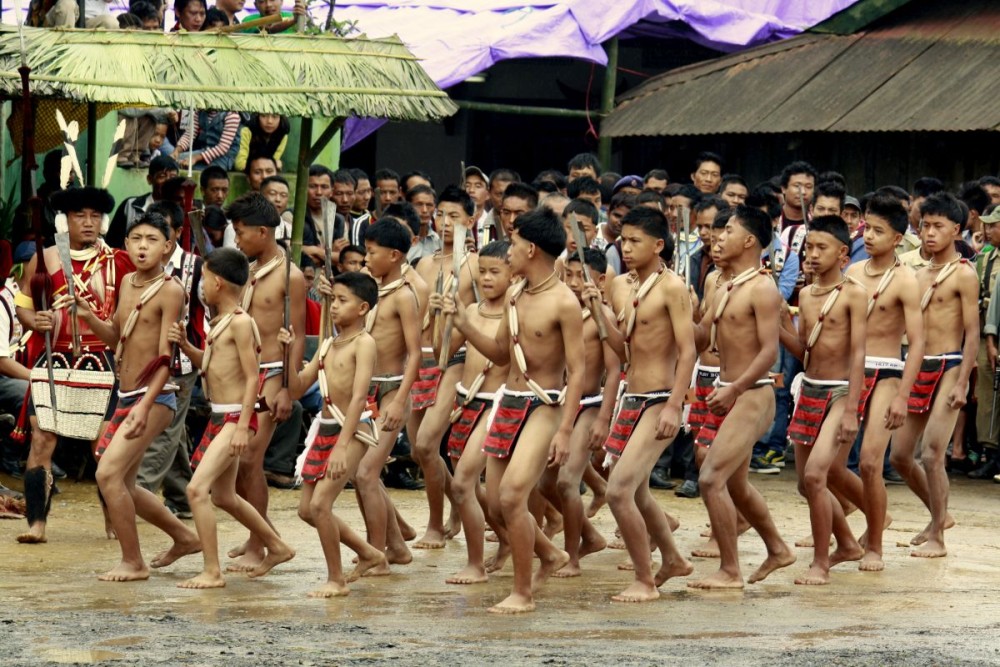
Mokokchung, July 28 (MExN): Longsa village in Nagaland's Mokokchung district will celebrate the four-day Tsüngremmung Festival from July 31 to August 3, showcasing the Ao community's cultural heritage, indigenous traditions and hospitality.
The annual pre-harvest festival is being organised by the Longsa Village Council under the patronage of the Nagaland Tourism Department.
The festival will open on July 31 with a cultural competition at the Community Hall. Minister for Rural Development and SIRD Metsübo Jamir will attend the inaugural programme as the guest of honour.
The main celebration will be held on August 1 at Salang Lenden and will feature the ceremonial pulling of the vine (Arr Atsütsü), one of the festival's most significant traditional rituals.
Advisor for Youth Resources and Sports S Keoshu Yimkhiung will attend as the honoured guest, while Advisor for Land Resources G Ikuto Zhimomi will be the guest of honour. Jamir will serve as the chief host.
The programme will feature performances by the Sangpur Village Cultural Troupe of the Yimkhiung tribe and the Surumi Village Cultural Troupe of the Sumi tribe. Other attractions include An Tepong Rara, indigenous games, a ceremonial tug-of-war and performances by winners of the cultural competition.
The festival will observe The Lord's Day on August 2, while the celebrations will conclude on August 3 with Ain Lenpi, the traditional closing ceremony.
The organisers have invited citizens, tourists, well-wishers, in-laws of the village and culture enthusiasts from across the country to participate in the celebrations.
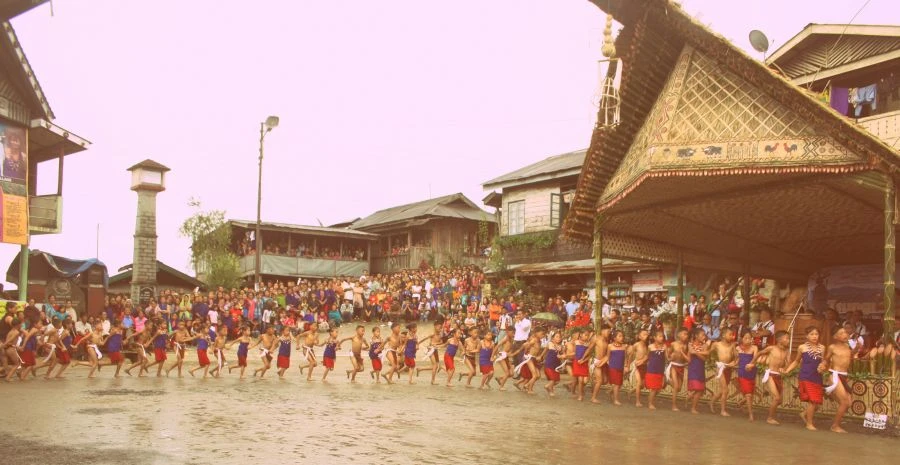
Tsüngremmung is the traditional pre-harvest festival of the Ao Nagas, observed during the first week of August when paddy fields are ready for harvest. Along with Moatsü, the sowing festival celebrated in May, it is one of the two major agricultural festivals of the Ao community.
The festival is centred on thanksgiving to God for a bountiful harvest and promotes spiritual renewal, community bonding and sharing. Preparations begin months in advance, with different age groups working together to gather resources for communal feasts. The festival also serves as a platform to preserve oral traditions, folk songs, dances and indigenous knowledge.
The first day, Süngbenmung, is devoted to preparations such as collecting firewood, gathering vines for the ceremonial tug-of-war, pounding rice, preparing food and decorating homes.
The principal day, Yatimung, is observed without manual labour in keeping with traditional beliefs. Villagers participate in rituals, folk dances, feasting, distribution of food to the needy and Kimak, an evening of visiting relatives and friends while sharing songs, food and fellowship.
The concluding day, Ain Lenpi, includes the cleaning of village pathways by young men ahead of post-harvest interactions with neighbouring villages and ends with traditional dances around a bonfire symbolising unity and renewal.
According to Ao folklore, the festival traces its origin to Merangshang, who adopted a practice of thanksgiving and ritual purification after learning from Tsüngremshang that seeking God's blessings before harvest resulted in abundant crops. The tradition gradually evolved into Tsüngremmung, named after Tsüngremshang.
The blooming of white Songsaben flowers below Chungliyimti traditionally signalled the arrival of the festival. Since the flowers were first sighted from Longsa, the village became the first among the Aos to celebrate Tsüngremmung before the tradition spread to other Ao villages, giving rise to its alternative name, Longsamung.
Located around 29 km southeast of Mokokchung along the borders of Zunheboto and Tuensang districts, Longsa is known for its scenic landscapes, tea estates, chilli cultivation and vibrant traditions.
Recognising its tourism potential, the Nagaland government declared Longsa a Tourist Village in 2006. It has since emerged as a popular cultural tourism destination, attracting visitors from within and outside the state.
Organisers said this year's festival aims to preserve and promote the cultural legacy of the Ao Nagas while encouraging cultural exchange and strengthening tourism in Nagaland.