(File Photo/IANS)
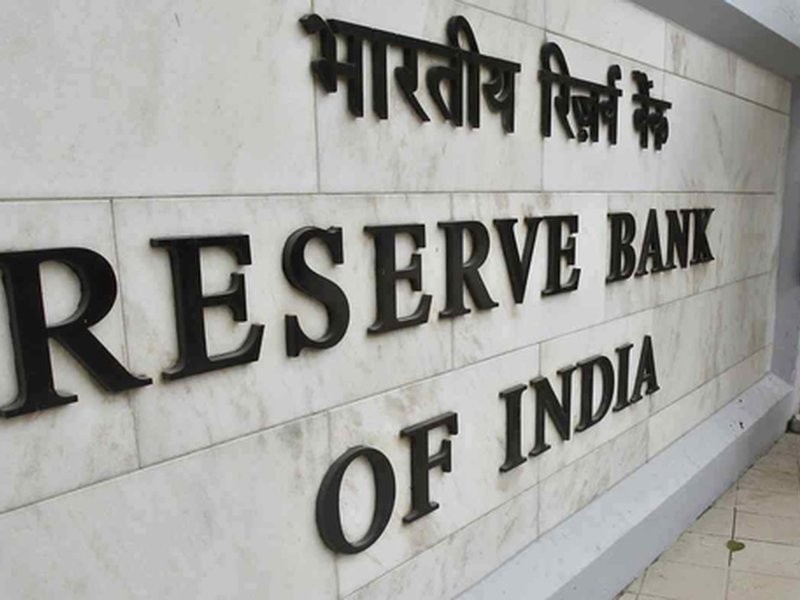
Mumbai, September 5 (IANS) The Reserve Bank of India (RBI) is stepping up efforts to absorb surplus liquidity from the banking system as excess cash reaches record levels following a surge in foreign-currency inflows from overseas Indians.
The central bank will conduct a 30-day variable-rate reverse repo auction for Rs 7 lakh crore ($74.1 billion) on Monday, according to a statement issued by the RBI. The move marks a shift toward a longer-duration liquidity absorption operation compared with recent auctions of up to 15 days.
The longer tenor will allow the RBI to keep surplus funds out of the banking system for an extended period, helping it exert greater control over short-term money-market conditions. However, the reverse repo mechanism remains relatively less forceful than some other liquidity-management tools because banks can decide how much money they want to park with the central bank.
India's banking system is currently facing an unprecedented liquidity surplus, with excess cash estimated at around Rs 10.5 lakh crore, according to a Bloomberg Economics measure. The surplus has built up after the RBI converted large amounts of foreign currency raised by banks through deposits from overseas Indians into rupee liquidity.
The RBI's initiative to attract foreign-currency deposits from the Indian diaspora proved highly successful, raising a record $127 billion before the scheme was closed a month ahead of schedule in August. Along with subsidised overseas borrowing by banks and state-owned companies, the measures brought in about $136.4 billion into the financial system.
While the inflows strengthened India's external financing position, they also created a significant liquidity-management challenge for the central bank. The RBI now has to withdraw the additional rupee liquidity without disrupting financial markets, particularly as policymakers remain increasingly focused on containing inflation.
The impact of the surplus liquidity is already visible in money-market rates. The weighted average call rate, which reflects the overnight rate at which banks lend to one another and serves as a key indicator of monetary conditions, has fallen below the RBI's policy rate as abundant cash pushes borrowing costs lower.