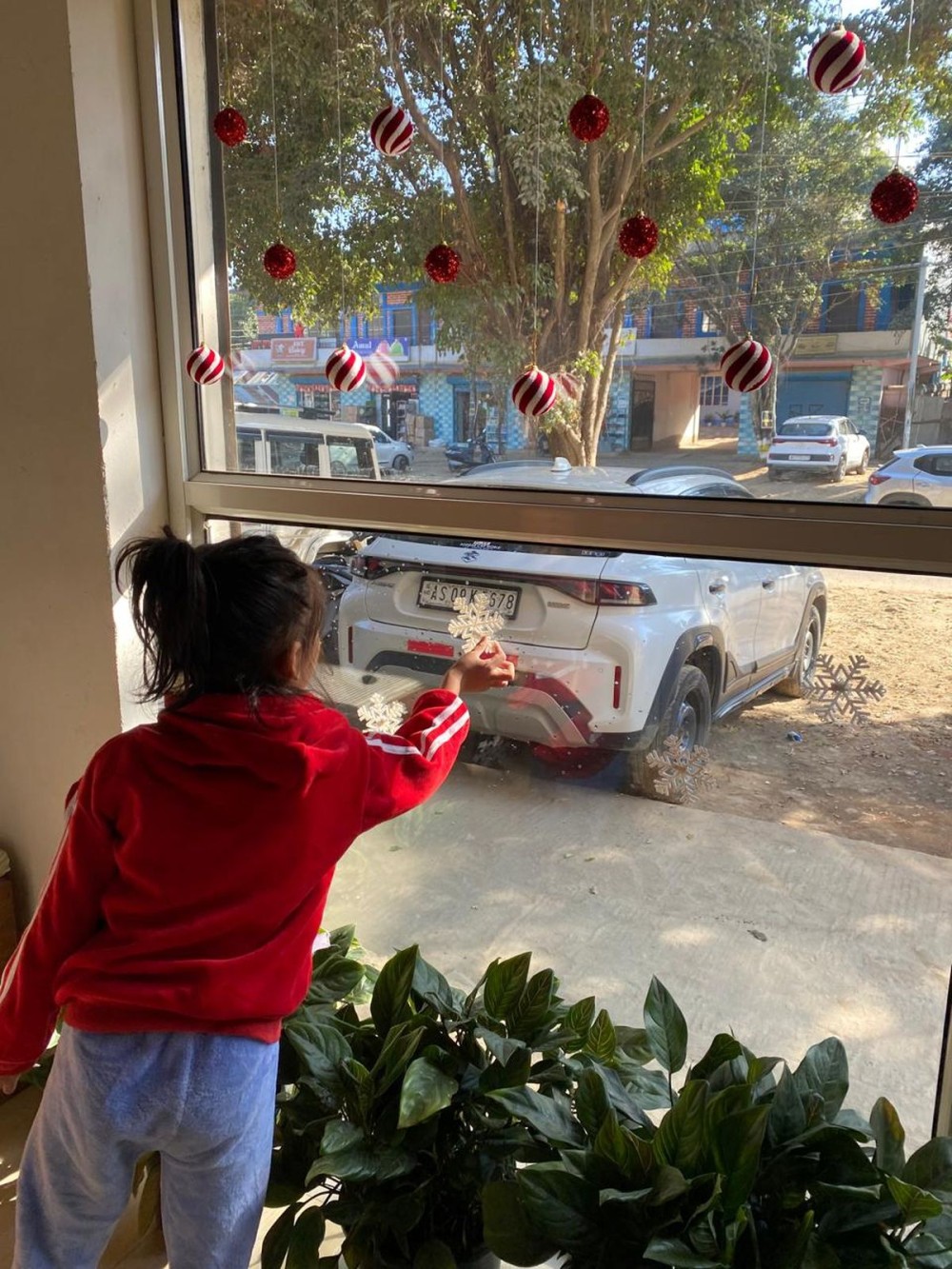
A young learner at the Künri Applied Behaviour Analysis (ABA) centre in Chümoukedima.
Künri pioneering behavioural therapy in Nagaland
Rebecca Kits Jakhalu
Kohima | June 23
For years, a simple request could become a source of frustration for one young child in Dimapur. Unable to communicate needs, the child often relied on crying and tantrums to be understood.
Today, the child is beginning to use words independently, a milestone that reflects months of consistent support and intervention. Such stories of progress are at the heart of Künri, an Applied Behaviour Analysis (ABA) centre in Chümoukedima that works with children with autism and other developmental delays.
“Simply put, ABA is an evidence-based practice that helps individuals to learn meaningful skills, understand why a behavior happens and reduce challenging behaviors that may be interfering in learning or in daily lives,” says Beni Seb, a Qualified Behavior Analyst (QBA), who runs Künri.
In an exclusive interview with The Morung Express, Seb shares how ABA is used as an intervention for a range of conditions including autism and other developmental delays. As Künri approaches its first anniversary, Seb reflects on their journey of helping more families and parents make informed decisions for evidence-based intervention options.
Rooted in hope
“Künri means hope in the Rengma Naga dialect,” Seb explains. The centre’s logo features a small house signifying home- a safe space, alongside sprouting leaves that represent growth and empowerment. “Künri stands on fostering inclusion, collaboration and compassionate care,” she says, adding that, “There is a hope, not in finding all the answers, but to find a community, where every individual and their families are valued, supported and equipped.”
The idea of establishing ABA services in Nagaland emerged from both professional experience and personal conviction. “From early on I was inclined towards neuro developmental disorders and in providing family support and counseling,” Seb shares. After completing postgraduate studies in Counseling Psychology and an MPhil in Psychology, a turning point came during her time as a trainee at the Anderson Center for Autism in New York, where she witnessed firsthand the transformative impact of ABA on individuals with special needs. And so, she decided to pursue this course, and got certification from the QABA board.
“I saw how structured intervention could create meaningful changes in the lives of children and families,” Seb recalls. Then, recognizing the lack of specialized services in Nagaland, she decided to bring internationally recognized ABA programs back to her hometown, to provide access to intervention services, so that families need not have to travel far to seek professional help.
Today, Künri implements behavior support plans and skill acquisition programs aligned with international ABA standards, making globally recognized interventions accessible within the region.
Through Künri, a growing number of families in Nagaland are finding crucial support they did not have earlier. “At Künri we are currently centered on early intervention (2-6 years), but we also cater to the needs of school age children (7-12 years) and older age groups, like adolescents,” Seb informs.
“We specialise in autism spectrum disorder and are trained to support individuals with a wide range of developmental delays and disabilities that includes Down Syndrome, Intellectual Disability,” she adds.
How Therapy Begins
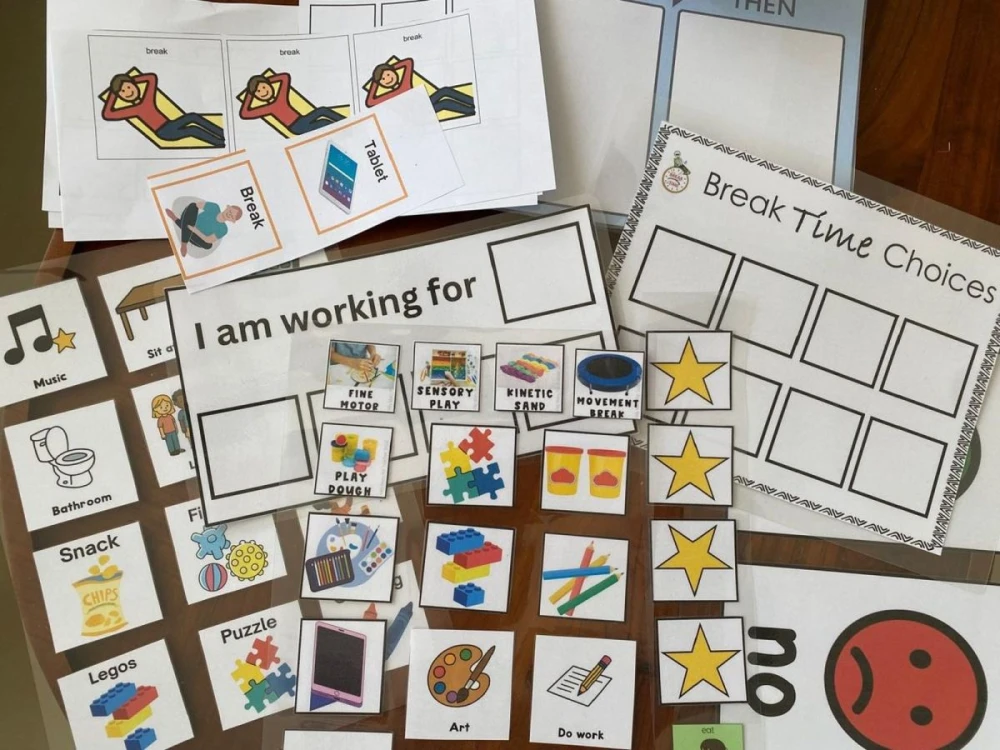
For a new child entering the program, the process starts with an in-depth assessment. Initial consultation and assessment include observation of the child, and interaction with the parents to identify strengths, interests and areas requiring support. “Based on these findings, individualized goals are created, which may include communication development, school readiness, play skills, daily living abilities,” Seb elaborates.
“We don’t rely on assumptions,” Seb says. “We track progress through data so we know whether interventions are effective.”
Sessions are available in multiple formats, including centre-based, home-based and online services. They are designed to be structured yet engaging, incorporating play-based and child-centered learning and natural opportunities for learning, Seb informs. Progress is monitored through ongoing review and progress monitoring, which ensures that the child is learning and teaching strategies are adjusted when necessary. Parent/ caregiver involvement and training are also vital parts of the therapy process, which help the child use skills learned across home, school and different settings.
“Children learn skills during sessions but it is the families who help them to use those skills in real life situations,” Seb asserts.
Beyond the therapy room
While their programs and intervention plans use the universal ABA curriculum/assessment, each program is also individualised, not only for the child’s needs but the family’s priorities, culture, values and routines, says Seb. “For example, children may learn to call their parents using familiar terms such as ‘Iza’ or ‘Ayo’ for mother.
Strategies are integrated into everyday routines, to support meaningful participation in family celebrations, community events, etc. “Other ways include teaching ABA strategies that can be embedded in their mealtimes, religious and cultural events, for example, learning to say a prayer,” Seb adds.
To commemorate its first anniversary in July 2026, Künri is launching a new two-month Parent-Child Training Program aimed at equipping parents/caregivers with practical, evidence-based strategies they can use at home, so that learning continues beyond therapy sessions.
Meanwhile, another child who struggled with waiting, learned to tolerate delays for preferred activities. This skill later translated into smoother daily routines at home, according to his parents.
Another learner who practiced greetings during sessions began independently greeting relatives during family gatherings. “That was when the value of therapy truly clicked for the family,” Seb says. “As parents share success stories at home, there are also many memorable moments that we get to celebrate in our therapy sessions. It is the small and every day moments that feel truly rewarding,” she shares.
Challenges of Introducing ABA in Nagaland
Despite growing awareness, ABA remains relatively new in Northeast India. According to Seb, one of the biggest challenges is simply introducing people to the concept.
“We are honored to be the first provider of ABA services in the region and the first registry certified in the Northeast as Behavior Analyst. However, there are several challenges we commonly face,” says Seb.
“We are still at an introductory stage, which means this requires a lot of awareness as there is limited knowledge about this field, and misconceptions about behavioral intervention,” she shares. “There are also financial barriers, as ABA services like other allied therapy/ services can be a considerable expense for families and limited multidisciplinary collaboration to achieve utmost care for our learners,” she adds.
The affordability of ABA therapy varies, depending on the location, mode (online, onsite, offsite) and intensity of services. There are government schemes/ insurance like Niramaya available in few recognized organizations in Nagaland. However, coverage for ABA therapy is still developing and remains limited, Seb highlights.
Government funding or insurance coverage will significantly reduce the barriers and give children access to timely intervention. Creating community partnership and training professionals can also improve access to quality services, Seb states.

Looking ahead
Looking five years ahead, Seb’s vision remains rooted in the meaning of Künri itself.
“I hope to see more families supported, stronger collaboration across sectors and greater access to quality services throughout the state,” she says. Most of all, she looks forward to watching today’s young learners grow into confident adolescents and adults, living meaningful, independent lives.