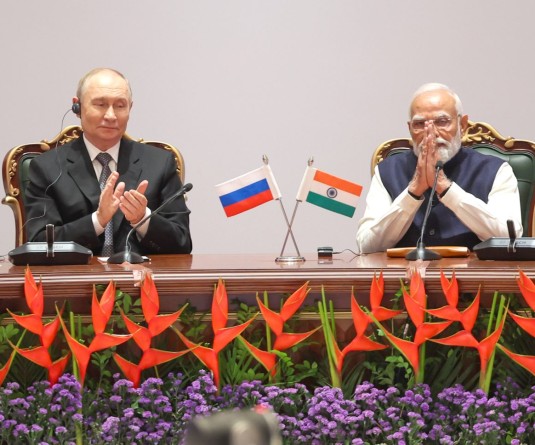
New Delhi: Janata Dal (United) leader Nitish Kumar takes oath as an elected member of the Rajya Sabha from Bihar at Parliament House in New Delhi on Friday, April 10, 2026. (Photo: IANS/Sansad TV/Video Grab)
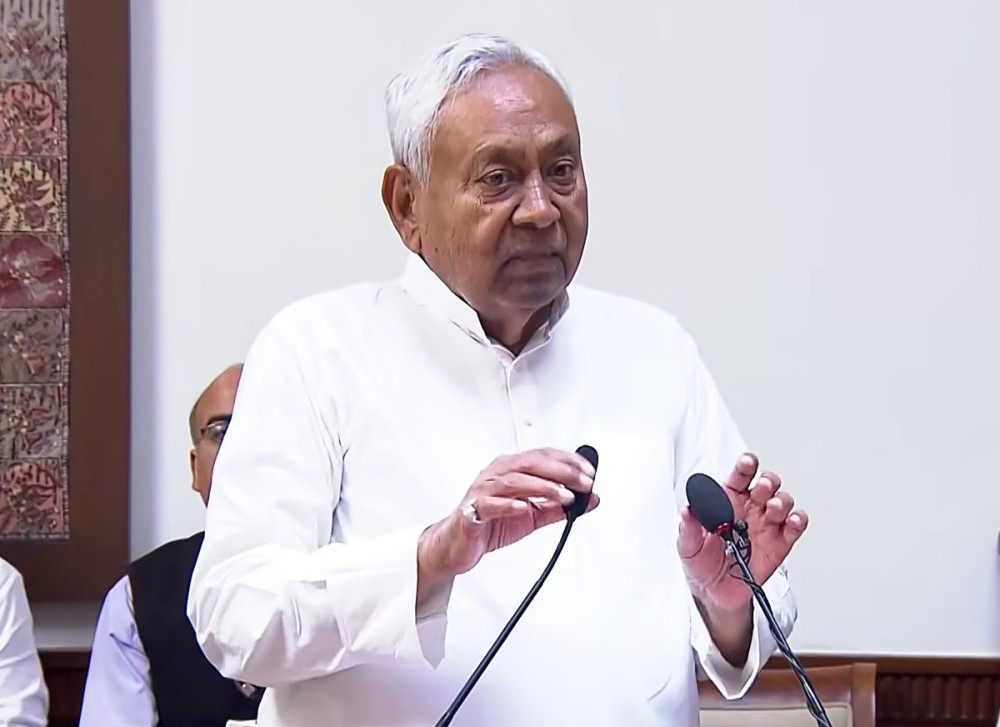
Patna, April 11 (IANS) Amid the ongoing political churn in Bihar over leadership changes and Nitish Kumar’s impending move to the Rajya Sabha, the state government has taken a major decision that has sparked concern among thousands of government doctors.
In a significant policy move, the Bihar Health Department has issued a resolution imposing a complete ban on private practice by government doctors.
The decision is being seen as a strong administrative step aimed at reforming the state’s public healthcare system.
According to the official order, doctors employed in government service will no longer be allowed to operate private clinics or engage in private practice alongside their public duties.
The move has been taken in line with the government’s Saat Nishchay-2 initiative, which focuses on strengthening public services, including healthcare.
Officials indicate that the decision stems from long-standing concerns about the poor condition of government hospitals, allegations of doctors’ absenteeism, and complaints that patients are being diverted to private clinics.
By enforcing a strict separation between public duty and private practice, the government aims to ensure better availability of doctors and improved patient care in government facilities.
To offset the financial impact, the government has announced that doctors will receive a Non-Practicing Allowance (NPA) as compensation for giving up private practice.
However, the move has triggered strong reactions within the medical community.
Many doctors argue that the decision may affect morale, lead to staffing challenges, and put the overall healthcare system under unintended strain.
Despite the backlash, the government’s stance remains firm — public servants drawing salaries from the state exchequer will not be permitted to run parallel private practices.
The Bihar Health Department has clarified that the ban will not be limited to district-level doctors.
It will also apply to the Bihar Medical Education Service cadre, including senior professors and faculty members serving in government medical colleges.
Notably, the order extends to specialist doctors at premier institutions, including the Indira Gandhi Institute of Cardiology (IGIC).
Under the new rules, none of these doctors will be allowed to provide services at private nursing homes or clinics.
Issued just days ahead of the proposed swearing-in of the new government on April 15, the directive has quickly become the central topic of discussion within the state’s health administration and medical fraternity.