

Naga Chilli
Manjunath K S and Sanjeev Kumar Singh
Phek
Introduction: Nagaland is blessed with rich biodiversity, diverse climatic conditions, and a wealth of traditional agricultural knowledge. The state is home to several unique horticultural crops that have been cultivated by local communities for generations. These crops are known for their special qualities, taste, nutritional value, and strong connection to the culture and traditions of the people of Nagaland. The favourable environment and indigenous farming practices have played an important role in preserving these valuable crop varieties over time.
To recognize and protect their uniqueness, some of these crops have received Geographical Indication (GI) status. A GI tag is given to products that originate from a specific geographical area and possess distinctive characteristics linked to that region. This recognition helps protect traditional products from unauthorized use, strengthens their identity in the marketplace, and creates opportunities for better income through value addition, branding, and wider market access. GI-tagged crops not only preserve the agricultural heritage of Nagaland but also contribute to the economic development of farming communities.
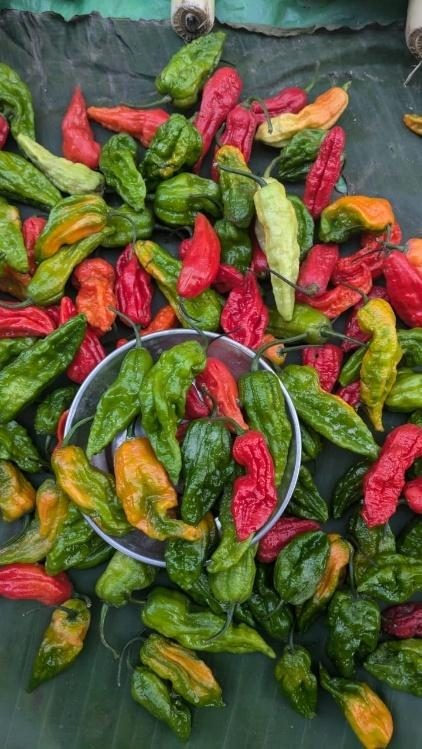
Naga Chilli (Raja Mircha)
Naga Chilli (Capsicum chinense), popularly known as Raja Mircha or King Chilli, is one of Nagaland's most celebrated GI-tagged horticultural crops. It received the Geographical Indication (GI) tag on December 2nd 2008 owing to its exceptional pungency, distinctive aroma, and unique geographical origin. Recognized among the hottest chillies in the world, it is widely cultivated across the hill districts of Nagaland and forms an integral part of traditional Naga cuisine. The chilli is rich in capsaicin, vitamins A and C, and natural antioxidants, making it valuable for both culinary and medicinal purposes. It is consumed fresh, dried, smoked, and processed into pickles, chutneys, and sauces. Besides its cultural significance, Naga Chilli provides a reliable source of income for many farming families due to its high market demand and premium price.
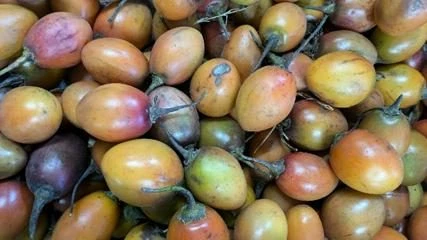
Naga Tree Tomato (Tamarillo)
Naga Tree Tomato (Solanum betaceum), commonly known as Tamarillo, is one of the prominent GI-tagged horticultural crops of Nagaland. It received the Geographical Indication (GI) tag on March 23rd 2015, recognizing its unique quality, taste, and geographical origin. The crop is predominantly cultivated in the high-altitude districts of Kohima, Phek, Wokha, Zunheboto, and Mokokchung, where the cool climate and fertile soils favour its growth. The attractive egg-shaped fruits possess a distinctive sweet-sour flavour and are highly appreciated by consumers. Tree tomato is an excellent source of vitamins A, C, and E, antioxidants, dietary fibre, and essential minerals, making it a nutritious fruit with significant health benefits. It is consumed fresh and widely processed into juices, jams, jellies, chutneys, sauces, pickles, and other value-added products.
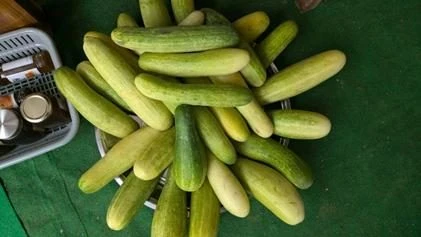
Naga Cucumber
Naga Cucumber (Cucumis sativus) is a unique indigenous vegetable and a GI-tagged crop of Nagaland, recognized for its distinct characteristics and traditional cultivation practices. It received the Geographical Indication (GI) tag on September 22nd 2021, highlighting its unique identity and geographical origin. The crop is widely cultivated by tribal farmers across the state, particularly in the districts of Kohima, Phek, Dimapur, Chümoukedima, and adjoining areas. Unlike common cucumbers, Naga Cucumber is larger, has a thick rind, juicy, mild sweet flavour, and remarkable keeping quality, allowing it to be stored for several months without refrigeration. The fruits are consumed fresh, cooked as a vegetable, or incorporated into traditional Naga dishes. Rich in water, dietary fibre, vitamins, and essential minerals, it contributes significantly to household nutrition and food security.
Benefits of GI Tagging
• Protects Traditional Knowledge: Safeguards indigenous crops and farmers' rights.
• Better Market Value: Helps farmers get premium prices.
• Supports Livelihoods: Creates income and employment opportunities.
• Conserves Biodiversity: Encourages preservation of local crop varieties.
• Boosts Exports: Enhances national and international market access.
Challenges and Way Forward
Despite their immense potential, the GI-tagged horticultural crops of Nagaland face several challenges that limit their commercial growth. Farmers often encounter inadequate access to quality planting materials, scientific production technologies, post-harvest infrastructure, processing units, storage facilities, and organized marketing channels.
Limited awareness about the significance of GI certification and branding also restricts farmers from realizing premium prices for their produce. In addition, poor packaging, transportation constraints, and lack of value-addition enterprises reduce market competitiveness.
KVK regularly organizes training programmes on scientific cultivation, nursery management, organic nutrient and pest management, post-harvest handling, and value addition of Naga Chilli, Naga Tree Tomato, and Naga Cucumber. It also encourages the formation and strengthening of Farmer Producer Organizations (FPOs) and Self-Help Groups (SHGs), facilitates access to quality planting materials, and promotes improved production technologies. Through exhibitions, farmers' fairs, exposure visits, and awareness programmes, KVK helps farmers adopt better packaging, branding, and marketing practices. The KVK also works closely with line departments and other stakeholders to enhance market linkages, promote entrepreneurship, and improve the income and livelihoods of farming communities while conserving Nagaland's unique GI-tagged horticultural heritage.
Conclusion
The GI-tagged horticultural crops of Nagaland are a true reflection of the state's rich agricultural heritage, unique biodiversity, and indigenous farming wisdom. Naga Chilli, Naga Tree Tomato, and Naga Cucumber are not only valued for their distinctive quality and taste but also serve as important sources of livelihood for farming communities. Their GI recognition has created new opportunities for branding, value addition, agro-processing, and premium markets. With greater emphasis on scientific cultivation, quality production, post-harvest management, and effective marketing, these crops can significantly improve farmers' income and generate rural employment. Continued support from KVK and other research institutions will help conserve these valuable genetic resources while establishing Nagaland as a leading producer of premium GI-tagged horticultural products in India.
Manjunath K S, SMS (Horticulture), ICAR-Krishi Vigyan Kendra, Phek, Nagaland
Sanjeev Kumar Singh, Senior Scientist and Head, ICAR-Krishi Vigyan Kendra, Phek, Nagaland

