Illustrative Image
Morung Express News
Dimapur | October 16
The Central Naga Women’s Association (CNWA) in collaboration with the Nagaland Alliance for Children and Women Rights (NACWR) today adopted an 11-point resolution urging church organisations, apex tribal bodies and the Government of Nagaland to translate awareness into concrete action against Gender-Based Violence (GBV).
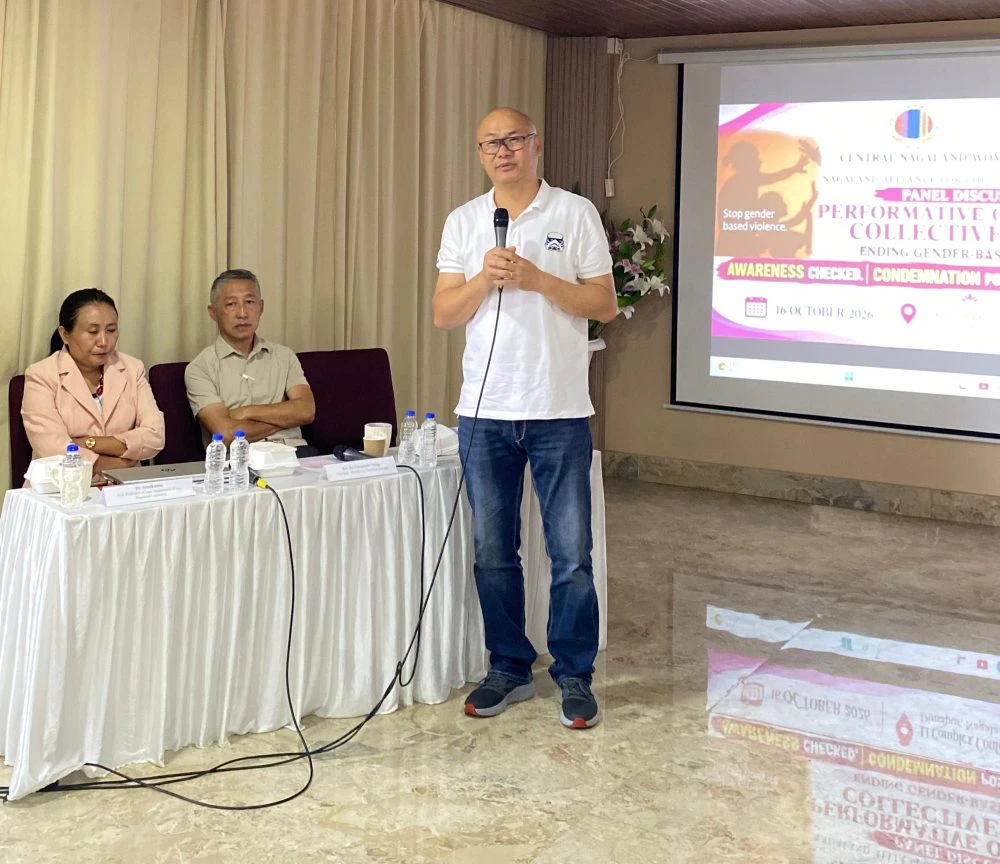
Adopted at a panel discussion on October 16 at Li-Complex Conference Hall, Dimapur, under the theme “Performative Outrage to Collective Action: Ending Gender Based Violence,” the resolution called for institutional accountability, survivor support and sustained action against GBV.
Drafted by Adv Nathaneil Kevichusa, Adv Limasenla Longkumer, Adv Esther K Aye and Ajano Lotha, Joint Secretary, CNWA, the resolution urged the Nagaland Baptist Church Council (NBCC), Nagaland Christian Forum (NCF), Asia Harvest Alliance (AHA), other church denominations and associations to strengthen their social concerns departments, establish an emergency trust fund for survivors, and create accessible and confidential support and referral mechanisms. It called for a review and amendment of church manuals and policies to strengthen accountability.
It urged tribal bodies to jointly approach the state government for the establishment of trauma centres and long-term rehabilitation centres for survivors, with provisions for reintegration into society and similar facilities in other districts.
Calling for a zero-tolerance policy towards gender-based violence, the resolution asked tribal bodies and community leaders to reject compromises imposed in the name of social norms or customary practices and ensure that communities support survivors rather than substitute dispute-resolution forums in cases requiring legal intervention.
The forum unequivocally resolved to oppose compromise, forced settlements or suppression of cases in the name of customary practices, family honour, community reputation, social harmony or religious considerations.
It further stated that no tribal body, village council, church institution, family or community organisation should pressure or coerce survivors into withdrawing complaints, remaining silent, accepting imposed settlements or returning to unsafe environments.
The resolution also called for perpetrators to be held accountable under the law, irrespective of their social status, family background, position, influence, tribal affiliation, religious standing or community connections. It stated that political influence, customary authority, financial settlements or community pressure must not be used to shield perpetrators from investigation or prosecution.
Emphasising that forgiveness must not mean freedom from accountability, the resolution stated that no church, pastor, religious leader, family member or community representative should compel survivors to forgive perpetrators, reconcile with them, withdraw complaints or remain in abusive relationships in the name of Christian teachings or religious obligations.
The two organisations urged church bodies and tribal organisations to deliberate on the proposals, form committees and communicate their decisions and proposed action plans to CNWA and NACWR within a reasonable timeframe. The organisations will continue coordinating with stakeholders to monitor progress and facilitate implementation.
The resolution further called on the Nagaland GBs Federation, in collaboration with CNWA and NACWR, to coordinate with apex tribal bodies in urging the state government to review the Nagaland Village and Area Councils Act, 1978, to clearly define the role, powers and limitations of village councils in addressing gender-based violence against women and children.
.webp)
It stated that customary practices must remain consistent with the law and that survivors must not be coerced into compromise or settlement. The review is proposed in consultation with tribal bodies, civil society organisations and women’s rights organisations.
Finally, the resolution urged the Government of Nagaland to undertake a comprehensive baseline survey on gender-based violence to establish a reliable database and support evidence-based policymaking, prevention and remedial measures.
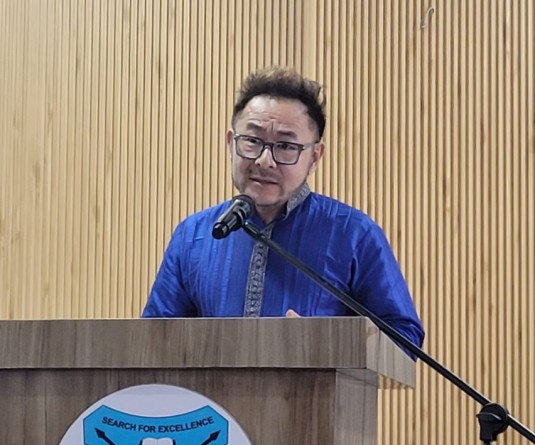
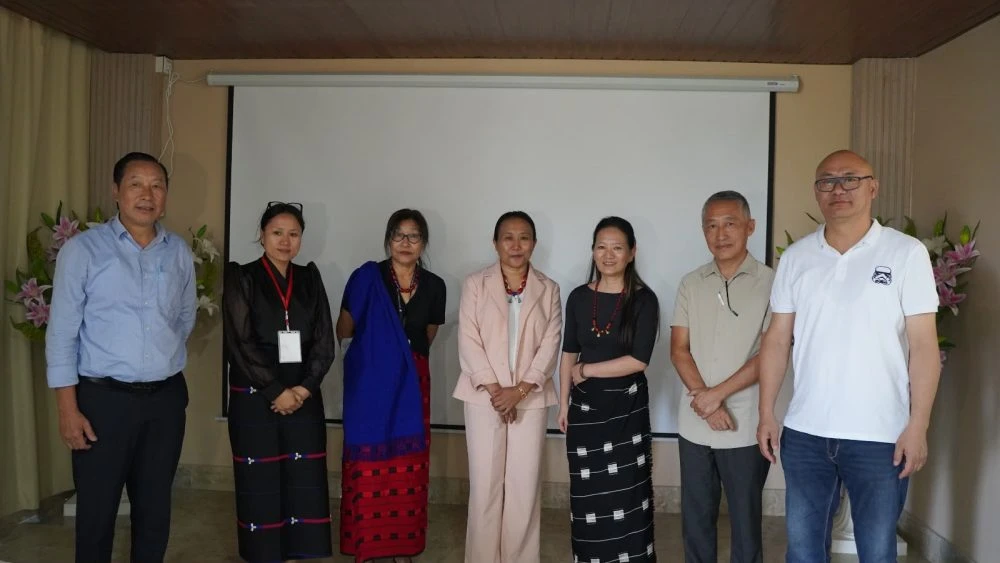
Earlier during the panel discussion, Rev Dr Chingmak Chang, Secretary, Eleutheros Christian Society spoke on ‘Breaking the culture of violence,’ Dr Villo Naleo, Secretary Social Concern, NBCC delivered on ‘Forgiveness, accountability, and justice’ and Dr Sentikumla, Asst Professor of Law, Department of Law, Nagaland University spoke on ‘When customs become injustice.’
The event was attended by representatives of various civil society organisations, church bodies and concerned citizens from different walks of life.