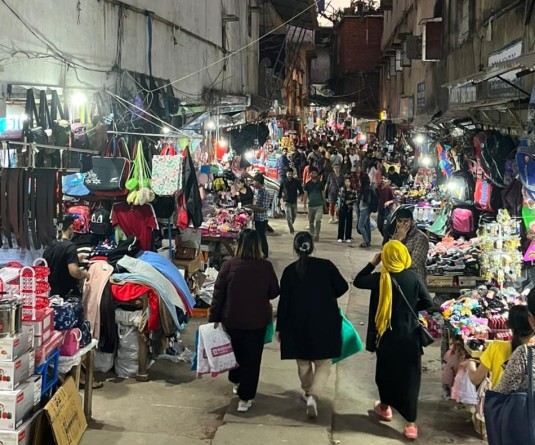
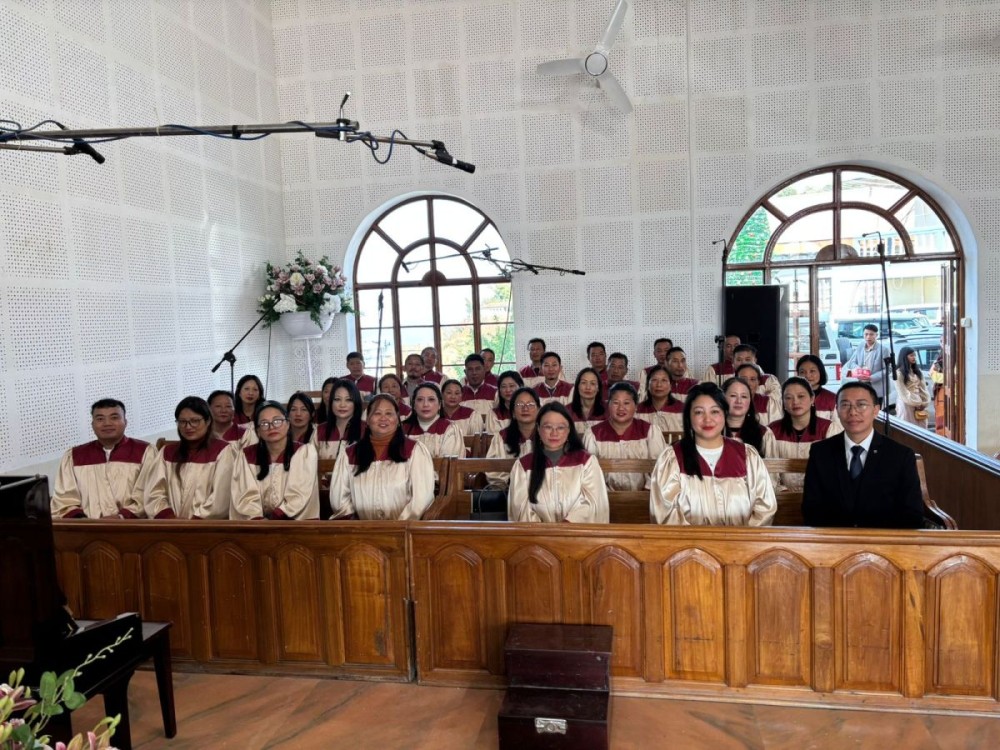
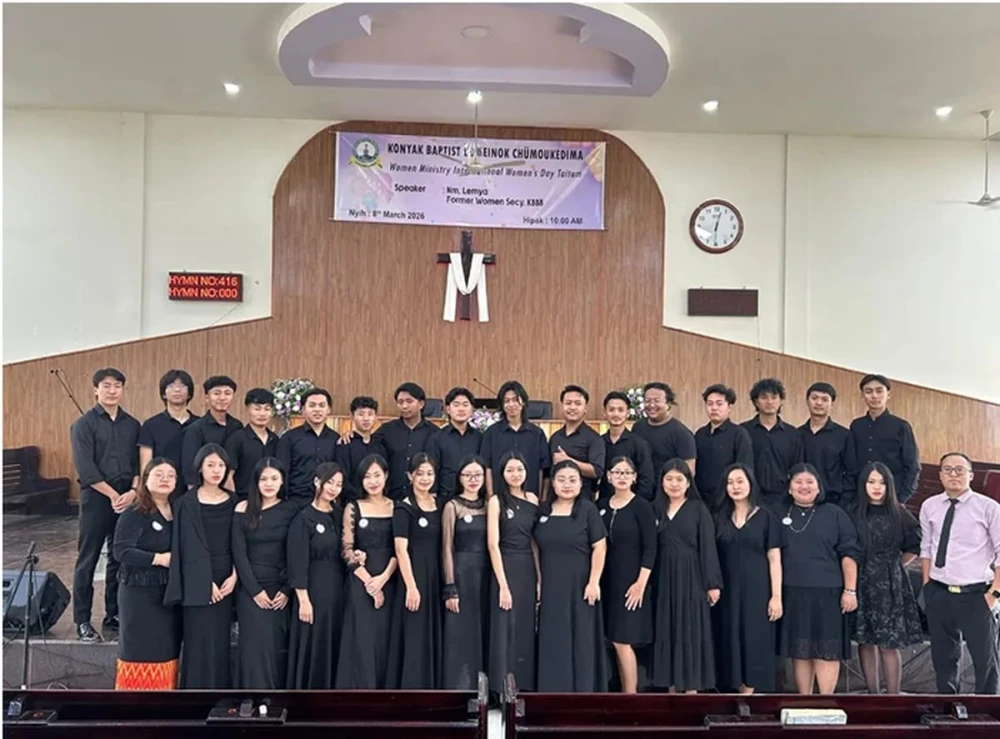
Kumlong Baptist Church Choir, Mokokchung, led by the Associate Pastor (Music). Churches remain an important foundation for music in Nagaland, providing opportunities for musical training, performance and professional development. (Photo Courtesy: KBC)
Moarula Pongen
Dimapur | August 19
Nagaland’s music scene has evolved into a diverse creative ecosystem. Music has long been part of the State’s social and cultural life through churches, schools, community gatherings, festivals and performances.
While singers and bands remain at its centre, music educators, choir directors, producers, sound engineers, studio professionals, event organisers and digital content creators also contribute to the industry.
But as more young people look towards music as a profession, what does a career in music actually look like in Nagaland?
The first of this two-part series looks at the people, institutions and opportunities shaping the State’s growing music landscape.

Church: The foundation of music
Churches remain an important foundation for music in Nagaland.
Churches help musicians progress from basic music literacy to professional pathways across sacred and secular genres, averred Associate Pastor Music at Kumlong Baptist Church, Mokokchung,
Regular choir participation provides experience in sight-reading, listening by ear and performing with others, while exposure to equipment and leadership roles such as conducting builds confidence and discipline.
“There are also members who are working as freelance musicians,” he said.
However, the church is not necessarily a source of regular employment. The pastor also pointed to limited live performance opportunities and difficulties for musicians seeking stable income.
Education and training
Formal music education has become another part of Nagaland’s music landscape. The original report identified five colleges offering Bachelor of Performing Arts programmes in music, covering music theory, history, score analysis, ear training, ensemble performance, choral work, recitals and stage performances.
N Shelao Konyak, a Music Department faculty at Tetso College, Chümoukedima, said limited industry exposure and the perception of music as an unstable career remain challenges.
“Bridging the gap between academics and professional music industry remains an important goal,” she said.
She called for more professional studios, recording labels, music companies, festivals and funding initiatives, along with investment in infrastructure, professional training, industry partnerships and market access.
Louise Shishak a music teacher at Patkai Christian Higher Secondary School and adjunct faculty at Margaret Shishak School of Music (MSSM), Patkai Christian College (Autonomous), said the foundation of music education also needs greater attention.
Having worked in music education since 2012, she pointed to limited training for primary-school educators and general music teachers, as well as inadequate access to basic resources and instruments.
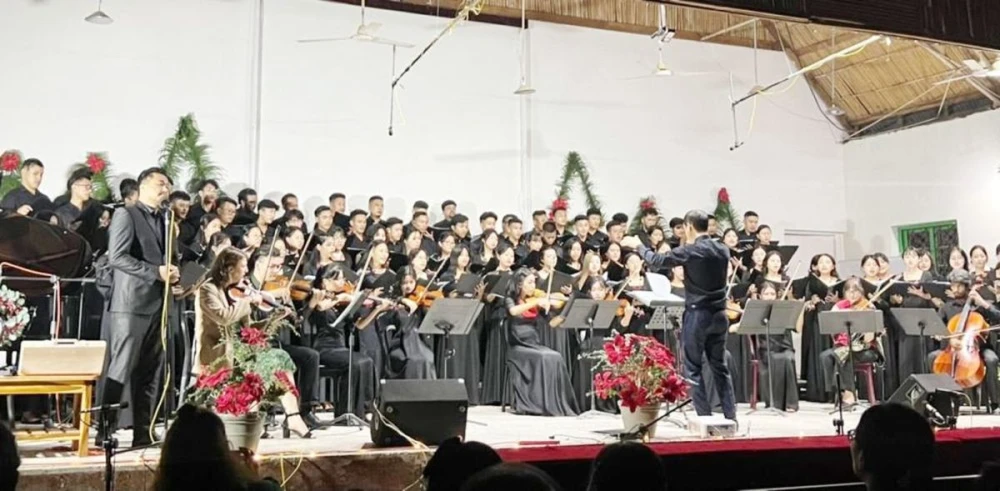
She advocated workshops and long-term training for teachers and students rather than an emphasis on competitions alone.
“Everyone has musical intelligence and therefore every child should have the opportunity to develop that area of their brain,” Louise stressed, noting that music can develop concentration, creativity, confidence, teamwork, critical thinking and perseverance.
She also maintained that teaching remains the most accessible career path for music graduates in Nagaland, while opportunities in performance, recording and sound are comparatively limited.
According to Nagaland University’s Status of Affiliation of Colleges 2025-26, five colleges in Nagaland offer bachelor’s-level programmes in music. While the MSSM, Patkai Christian College, has been offering its bachelor’s programme over a decade, the other four—Nagaland College of Fine Arts, Nagaland Conservatory of Music, Tetso College and Platinum College—are provisionally affiliated with Nagaland University for the bachelor’s-level programmes in music.
Besides these colleges, a number of private institutes offer specialised music courses and tutorials.
Samteina Ndang, proprietor of Polyphonic Music School, Mokokchung, said running a music institute requires balancing teaching with everyday business responsibilities.
“One of the biggest challenges is keeping good teachers, because when teachers leave, students leave too,” she said.
Independent artists and social media
For independent artists, social media has opened new routes to audiences and opportunities.
Moatoshi Jamir, an artist from Mokokchung, identified consistency as a major challenge because of limited opportunities. At the same time, he said social media has helped musicians build connections and reach wider audiences.
“From room to performing live on stages, I’ve seen artists grow,” he said.
Weddings, events and other occasions provide opportunities to earn, although there is no fixed income for independent musicians. Jamir also noted that many musicians work as music educators.
Studios and technical work
Wangching Konyak, proprietor of Audio Craft Studio, Dimapur, said audio engineering can provide relatively stable income, while Nagaland still needs greater development in the technical side of the industry.
Starting a studio, however, requires individual investment in equipment and the working environment.
“Artists should stop expecting from anyone; either Government or some individuals,” he said.
He also described the industry as lacking a single driving force, saying:
“The state does not have a father, but has lots of godfathers.”
He called for more initiatives and associations and stronger connections with established music industries and qualified professionals.
Toshi Changkiri, known as TC Beats, said producers often require multiple income sources, including recording, DJ performances, mixing, mastering, beat production, live sound and freelance work.
The live music sector
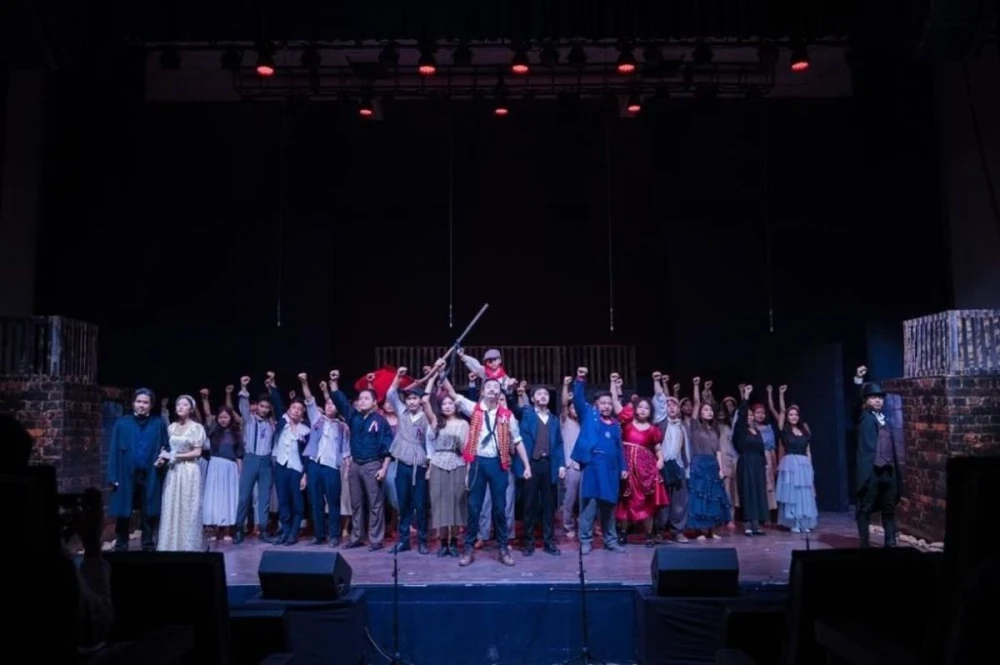
Arenlong Longkumer, director of Soundscape Enterprise, Mokokchung, described Nagaland’s live music scene as sporadic, with activities scattered throughout the year. Fair compensation remains a challenge for local musicians, except for a handful of established artists.
“Organising a music event in Nagaland is challenging, primarily due to cost,” he said, citing ticket sales and the costs of production and artist payments as challenges.
He called for consistent live gigs and workshops, while stressing the importance of professional connections and networking.
Nagaland’s music ecosystem is therefore broader than the performer on stage. It stretches from churches and classrooms to studios, private institutes, festivals and digital platforms.
But whether these pathways can provide a sustainable livelihood is another question.
Moarula Pongen is a fifth-semester B.A. student in the Department of Mass Communication, Tetso College, Chümoukedima. This report was produced as part of her one-month internship at The Morung Express.