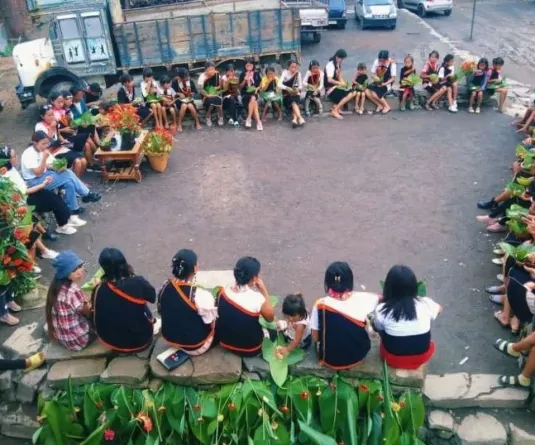
Morung File Photo
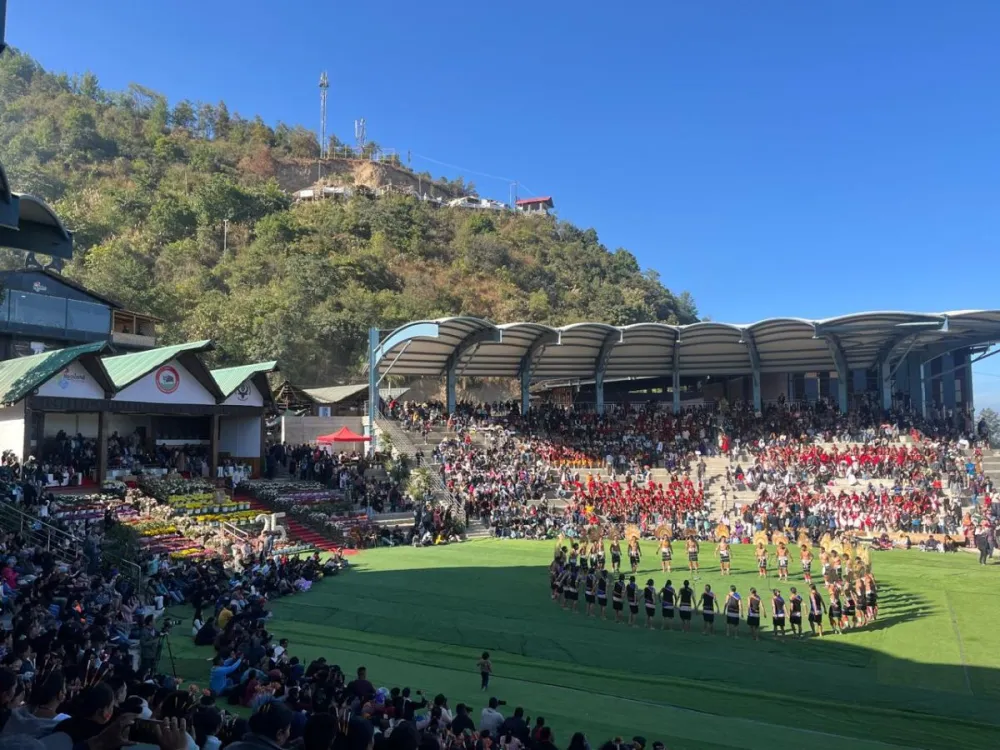
Vemhazo Lao
Visit Nagaland (visit-nagaland.com)
At Kisama, a day that starts with a dance at Unity Plaza can end in a conversation at a weaving stall. It’s worth leaving room for both. Before you leave home, though, pin three places on your map: where you’ll arrive in Dimapur, where you’ll sleep, and where a driver can meet you after the festival. That last pin matters when the evening turns cold and everyone is looking for a ride back to Kohima. With the journey sorted, there’s no need to check the time halfway through a performance.
Tourism Nagaland lists the 27th Hornbill Festival for 1–10 December 2026. Its main venue is the Naga Heritage Village at Kisama, about 12 kilometres south of Kohima. Festival events can also take place away from the main venue. Before you arrange a ride for a concert, exhibition or other specific event, check the venue on its own announcement and ask whether there is separate admission. A phone screenshot of the actual address is more useful to a driver than the name of the festival alone.
Sort out your entry documents
For Indian tourists who are required to hold an Inner Line Permit, Nagaland’s official ILP portal (ilp.nagaland.gov.in) is the place to start. A tourist ILP costs ₹200 and is valid for 30 days; payment-gateway charges may be added. Choose the applicable tourist category, check the documents and follow the application through to approval. Save the issued permit and keep it handy with the identity document used for the application. If you are travelling as a family or group, check the documents for each person well before departure. After an online payment, save the transaction reference and check payment status before trying again if the application has yet to update.
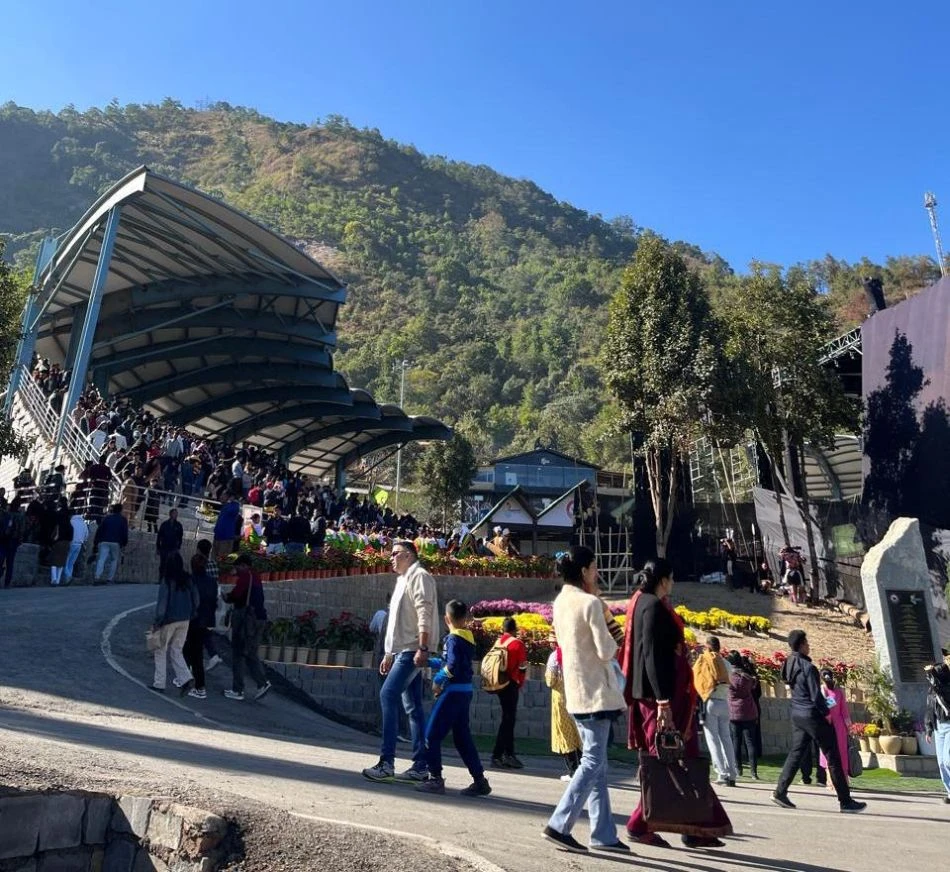
Foreign travellers have a separate Protected Area Permit question. Under a Nagaland Home Department notification dated 16 November, issued on the directions of the Union Ministry of Home Affairs, foreign visitors coming to Nagaland for tourism do not need a PAP from 26 November to 15 December. Citizens of Afghanistan, China and Pakistan, and foreign nationals originating from those countries, still need prior approval from the Ministry of Home Affairs. If your trip extends outside those dates, your purpose is other than tourism, or you need to establish which state permit applies to you, check the requirements for your complete itinerary with the relevant authorities. Keep your applicable visa and immigration requirements in view as well. The source to consult before departure is the Home Department notice together with the official Nagaland ILP portal.
Give the arrival day room to breathe
Dimapur is a practical starting point for visitors arriving by air or rail, and Kohima is about 74 kilometres away by road, with Kisama a little beyond. If you land at Dimapur Airport and have children, several bags or a room outside central Kohima, ask your accommodation about a pickup directly from the airport. Send the name and map pin of the property when you ask for the price. Check whether the vehicle is reserved for your group, whether it has space for everyone’s luggage, and what happens if your flight arrives late. Compare the whole journey when you price the alternatives, including the ride into town if you intend to take shared transport.
Train passengers can enquire about shared taxis around Railway Station Road and day buses at the Nagaland State Transport station at Railway Colony, opposite the railway station. Ask at the counter when the vehicle actually leaves, where it drops passengers in Kohima and how luggage is handled. A family may prefer a reserved vehicle, while a solo traveller with a small bag and an early arrival may have more flexibility. With a late train, arrange your onward pickup before setting out or consider spending the first night in Dimapur. A cancellation or delay is easier to absorb when you have left the first evening free.
If your accommodation is outside the city centre, send its precise location before getting into a vehicle. The drop-off point for a shared ride may leave you with another taxi journey or an uphill walk. Ask your host about the last approach, especially if anyone in the group will need help with steep paths or steps. Agree on a time to call if your driver or host is expecting you. On the return journey, work backwards from your train or flight and give the road its own allowance. An early departure from Dimapur can make a final night near your departure point worthwhile.
Choose a base that fits the evenings
A room in Kohima can make it easier to combine Kisama with time in the city. A stay nearer the heritage village may suit travellers who want several full days at the festival. In either case, ask about the last stretch between the road and your room, whether a meal is available after you return and how the host recommends getting to and from the gate. If your group includes older travellers, young children or someone who needs a step-free approach, explain that when you book and ask what they can expect at the actual property.
Allow time on the road even if you are staying nearby. Traffic may move slowly around the festival and pickup arrangements can change. Under a Kohima District Magistrate’s order of 10 November, the damaged stretch of NH-2 at Phesama was partially reopened for one-way southbound traffic of light vehicles, school buses and ambulances during set morning and afternoon hours, while Kohima-bound vehicles use a diversion via Kisama and Kigwema. Check the latest order before travelling, and ask your driver or host which route is in use for the journey there and back. Check the current traffic, parking and shuttle instructions from local authorities before you leave for Kisama. Ask where a driver can legally stop, and choose a meeting point your whole group can recognise. Agree on a return time and keep the driver’s number available without needing mobile data. If half the group wants to stay for the music, make that decision while you can still arrange two rides or agree on a common departure.
Leave time for a second day at Kisama
If you have two full days for the festival, use the first to get your bearings. Find the gates, toilets and a place to sit down. The Department of Art & Culture has announced daily performances at Unity Plaza by 18 troupes from across Nagaland. Start with a performance there, then leave time to visit the morungs, where different communities host visitors and share their traditions. You may find yourself staying longer at a morung, spending time at a textile stall, or asking the person preparing your lunch about an ingredient you have never tried. On the second day, go back to the places that interested you and leave a little time for something you missed.
Ask before photographing people, and follow the instructions of hosts and performers. A good question about a woven piece or a dish can lead to a conversation about who made it and where it comes from. Buy directly from makers if you find something you want to take home. Kohima Police have said that no drone may be flown at the festival without prior written permission, applied for in advance to the Superintendent of Police, Kohima. Carry a warm layer for the evening, comfortable shoes and enough time for the walk to your pickup point.
Check the 2026 programme and ticket information before paying for anything tied to a particular event. Last year’s entry fee at Kisama was ₹150 a day; the 2026 rate had not been announced at the time of writing. See which parts of a package are covered, including transport, entry and meals. Confirm what happens if the programme changes or if you need to leave early. Check instructions for the specific date if you are travelling on opening day or aiming for an evening performance. If family members have different interests, agree on one or two events you want to see together and choose a time to meet when you split up. A flexible plan works especially well for a first visit, when you are still learning what interests you.
Give Kohima a day of its own
If your schedule allows, save part of a day for Kohima without adding a transfer to Kisama at the end of it. The Nagaland State Museum in the city is a different stop from the World War II Museum at the heritage village, which is open from 10 am to 4 pm during the festival. Check the opening day and hours when you decide which to visit. If you want to see a specific exhibition, ask when it closes. With children or older travellers, one museum visit and a meal may make a more enjoyable day than crossing town several times to fit in a list.
A village visit also benefits from an unhurried plan. Ask the host whether visitors are being received that day, whether a meal or a walk can be arranged and where you should meet. Follow local guidance about homes, fields and photography. If you want to hear about a place’s history, ask who would be comfortable sharing it and allow time to listen. Keep a festival morning free if you already have a longer trip planned that evening. December brings several events across the state, and each one comes with its own distances and arrangements.
A few days before you go, check everyone’s entry documents, the way from your arrival point to your room, and the route back from your chosen event. Tourism Nagaland, the official ILP portal and the local authorities are the places to verify details that can change. Visit Nagaland’s Hornbill Festival guide brings together planning information and links to the transport, permits and safety guides: https://visit-nagaland.com/explore/hornbill/. Once those arrangements are settled, leave some room in the day for the performance, meal or conversation that makes you want to stay a little longer.