Iranian soldiers take part in the Army Day parade in Tehran, Iran, on April 18, 2015. (Xinhua File photo)
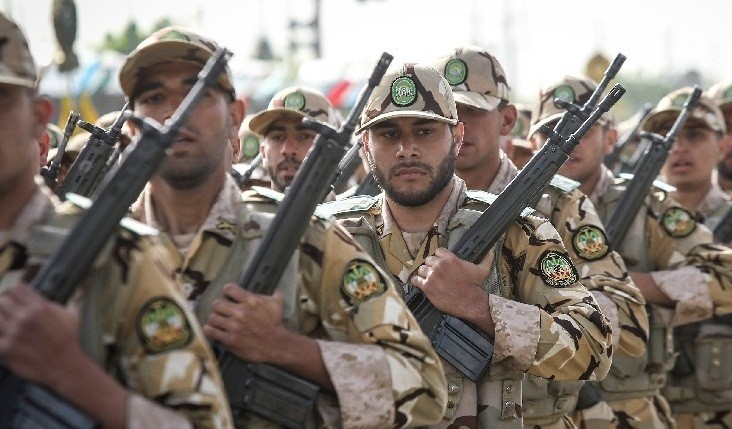
Tehran, September 27 (IANS): Chief Commander of Iran's Army Amir Hatami said Sunday the war imposed by the United States and Israel against the country has not ended yet, and the "enemy" must still be ready to receive "severe blows" from the Iranian armed forces.
"The war is not over ... Although the aggressive enemy has suffered heavy blows, it must remain prepared to receive further crushing blows from Iran's armed forces," Hatami said at a national festival in Tehran, according to the semi-official Tasnim news agency.
He urged regional countries to recognise that cooperation with the United States fails to guarantee their security, emphasising that regional security must be safeguarded from within by the nations of the region, Xinhua News Agency reported.
Meanwhile, Iran's Persian Gulf Strait Authority (PGSA), the body responsible for maritime traffic in the Strait of Hormuz, has warned ship-owners against being forced by "some charterers" to use "illegal" routes for passage through the waterway.
In a post on its account on social media platform X early Sunday, the authority said, "Reports to PGSA indicate that some charterers are forcing vessels to use illegal routes. This risks financial and life losses for the vessel, owner, master, and crew, and seriously restricts its future Strait of Hormuz passage."
"Ship-owners must be vigilant against such illegal actions by some charterers," it said. "If proven, the charterers will be added to the Non-Compliance List, and all their vessels' passage through the Strait of Hormuz will be restricted."
On February 28, Israel and the United States launched joint attacks on Tehran and other Iranian cities. Iran responded with waves of missile and drone attacks targeting Israel and US bases and assets in the region, and tightened its grip on the Strait of Hormuz.
On June 18, the United States and Iran signed a memorandum of understanding (MoU) on ending the war in the region. Under the MoU, they were scheduled to hold negotiations within a period of 60 days, which ended on August 17, to reach a final agreement, but the talks' fate remains unclear following a series of recent escalations between the two countries.