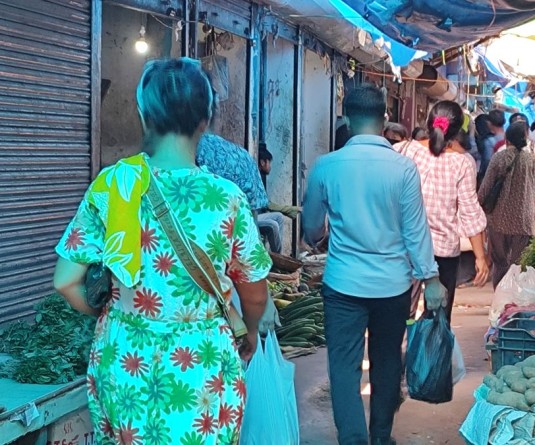
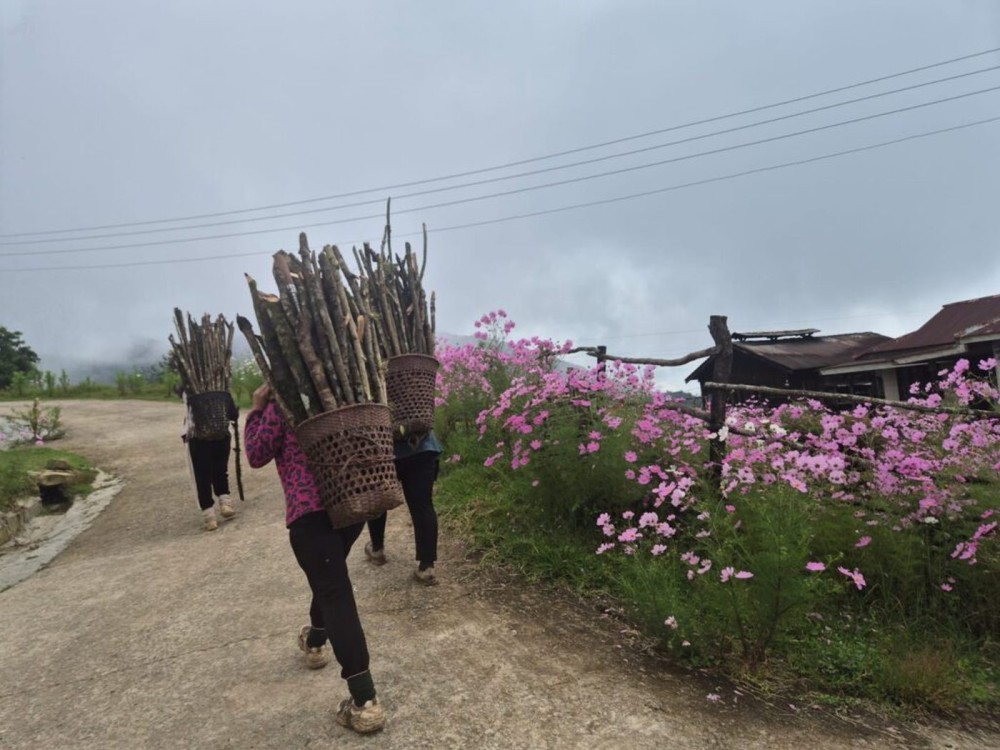
Eleven villages, including Hokiye, Tsutoho, and Satoi Village, depend on it for sustenance, traditions, and identity. (Photo Courtesy: Satoi Connect)
Satoi Connect is putting communities at the heart of forest conservation
Tokavi K Zhimo
Zunheboto | April 28
“Forests here are not separate from us. They are part of our lives… If the forest suffers, we suffer. If it thrives, we thrive,” a village elder from Satoi said, capturing the spirit of a new community-driven conservation movement that seeks to redefine coexistence between people and forest.
The Satoi Connect initiative, launched on October 7, 2025, under the Zunheboto Forest Division during Wildlife Week, is more than an ecotourism project. Built on shared responsibility, ecological respect, and community stewardship, it emerged from collaboration between forest officials and village elders. The goal is to ensure conservation is nurtured from within, not imposed from above.
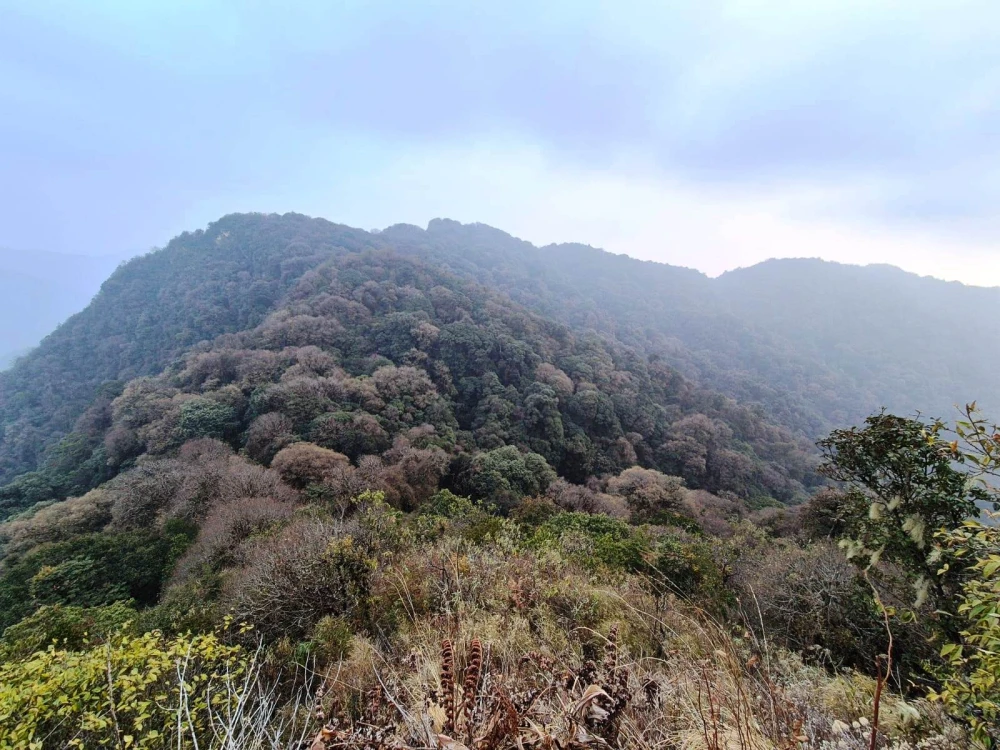
The Satoi Range in Nagaland’s Zunheboto district is one of the region’s last remaining virgin forests, home to remarkable biodiversity, from the state bird, Blyth’s Tragopan, to the Hoolock Gibbon.
Shaped by altitude, climate and centuries of traditional land use, the forest supports a thriving ecosystem. However, Satoi is also a cultural landscape. Eleven villages, including Hokiye, Tsutoho, and Satoi Village, depend on it for sustenance, traditions, and identity. Increasingly, Satoi Connect is held up as a model for sustainable coexistence, where forests serve as both ecological and cultural lifelines.
The idea for Satoi Connect emerged on May 18, 2025, when Divisional Forest Officer Obed Bohovi Swu, SFS, began dialogues with local communities. Facing growing pressures on forests from resource use and climate change, the need for an inclusive, forward-looking conservation model became clear.
“Conservation cannot succeed in isolation,” Swu said. “It must involve people not just as beneficiaries, but as partners and leaders. Satoi Connect is about building that partnership.”
.webp)
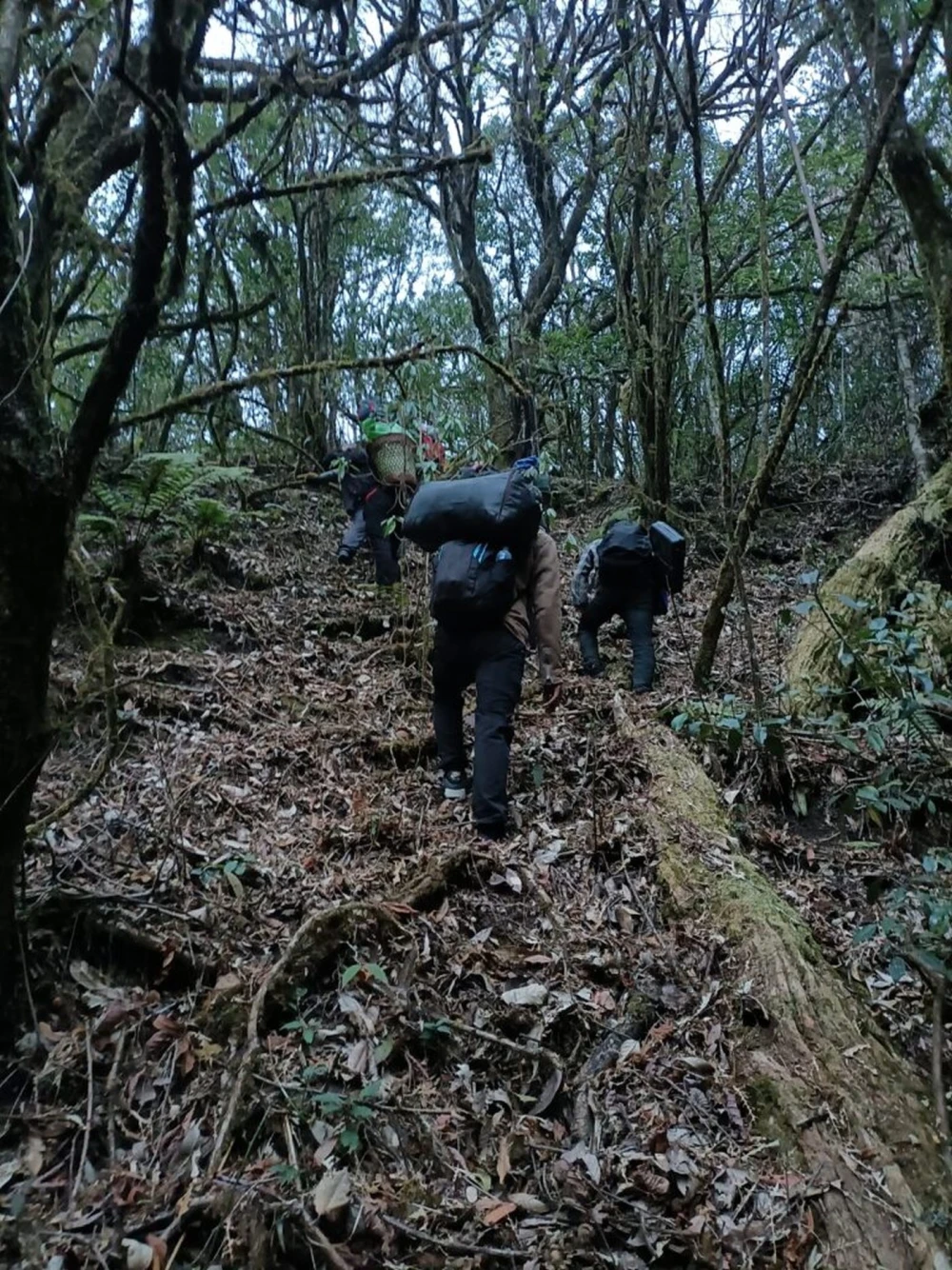
After months of consultations, treks through ancestral forest routes, and participatory planning, Satoi Connect launched as a structured platform for conservation outreach, responsible ecotourism, and community engagement.
Swu explained that forests are living systems, not merely landscapes of trees and wildlife, sustaining livelihoods, culture, climate stability and the well-being of present and future generations. “In Nagaland, where community ownership and traditional stewardship of forests have shaped our relationship with nature for centuries, conservation can succeed only when people and forests thrive together,” he added.
The Satoi Range, one of the most ecologically significant forest landscapes under the Zunheboto Forest Division, reflects this balance, Swu highlighted. Yet growing pressures on forest ecosystems call for innovative, inclusive and sustainable solutions. Satoi Connect has been envisioned as such an approach. It is an initiative that places communities at the centre of conservation, fostering responsible engagement with forests through awareness, stewardship, and nature-based livelihoods.
“By promoting conservation-linked ecotourism and education, Satoi Connect seeks to strengthen the bond between people and nature while ensuring that conservation remains the foremost priority,” Swu stated stressing that the initiative’s success depends on shared responsibility, mutual respect and long-term commitment. “Together, we can ensure that Satoi Range continues to flourish as a landscape of biodiversity, culture, and opportunity.”
Protecting a system, not just trees
Forest protection measures have been strengthened and regular awareness programmes in villages and schools aim to instill a deeper conservation ethic in locals and visitors alike. As one forest official involved in the initiative stated, “We are not just protecting trees, we are protecting a system that supports water, climate, biodiversity and human life. The community’s role is central in making this sustainable.”
Satoi Connect promotes a low-impact ecotourism framework, offering guided forest walks, nature trails, and educational visits that enhance appreciation without disrupting the ecological balance.
Strict visitor guidelines including zero-waste practices, respect for wildlife, and adherence to designated trails are enforced to ensure minimal impact. “Tourism here is not about numbers; it is about experience and awareness,” explained a local guide from Tsutoho village. “Visitors come to learn, to respect, and to connect not to exploit.”
Satoi Connect focuses on youth engagement, recognizing that the future of conservation lies in the younger generation. The initiative actively involves students in environmental education, creative expression, and leadership roles. Through storytelling, photography and biodiversity programmes, young people are encouraged to become conservation ambassadors.
One student participant shared, “Before, we saw the forest as ordinary. Now we understand its value and feel responsible for protecting it.”
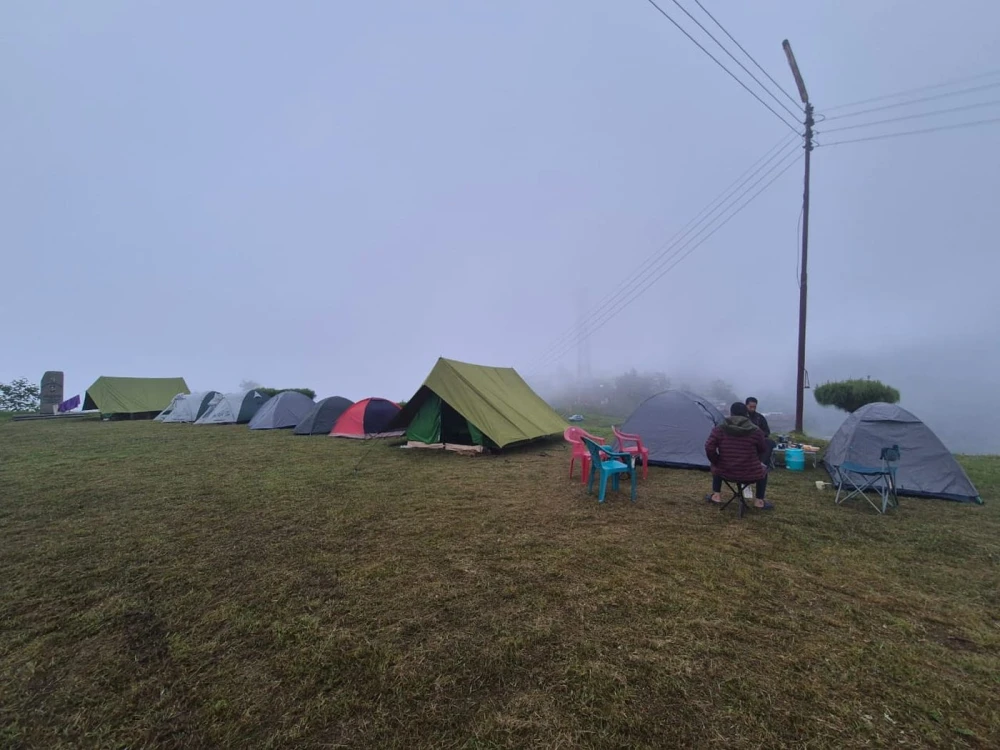
Satoi Connect recognises that conservation must go hand in hand with livelihood security. The initiative promotes eco-friendly income opportunities such as guided tours, homestays, handicrafts, and support services, ensuring local communities benefit directly while staying within ecological limits. As a community leader from Hokiye village observed, “When conservation supports our livelihoods, people naturally become protectors of the forest. It creates a sense of ownership and pride.”
Though still in its early stages, Satoi Connect is already showing promising results, improved awareness, greater community participation and stronger forest protection. It plans to expand include building partnerships with researchers and civil society, enhancing conservation education, refining ecotourism and deepening community capacity-building. Officials believe the initiative could become a replicable model for participatory conservation in Nagaland and beyond.
At its core, Satoi Connect is a reminder that conservation is a shared commitment requiring communities, government, visitors and society at large. As one forest officer put it, “Every action matters whether it is respecting forest rules, spreading awareness, or simply valuing nature. Conservation begins with connection.”
In an era of complex environmental challenges, Satoi Connect offers a hopeful vision, forests that are understood, not just protected; communities that are empowered, not just included; and conservation as a way of life, not just a policy.
The first Satoi Connect Fest introduced Community Social Responsibility (ComSR)—a people-driven model prioritizing shared responsibility, community ownership, and local leadership for forest conservation, infrastructure, welfare, and livelihoods. Declaring Satoi as the movement’s birthplace, the event promoted a “We Before Me” philosophy and ended with a community pledge to protect forests, support the vulnerable, and build together.
Organised under the theme “Connecting Forest, Community & Conservation,” the fest saw 81 attendees instead of the capped 150 due to accessibility challenges (five hours from Kohima, plus two from Dimapur). Plans are underway to make the event annual.