Rio describes repatriation of Naga ancestral remains as restoration of identity and dignity
Morung Express News
Kohima | November 28
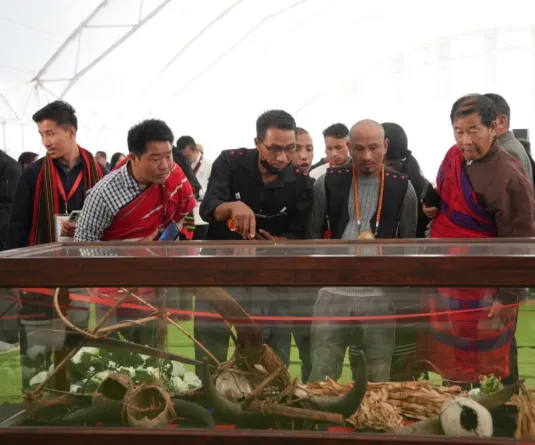
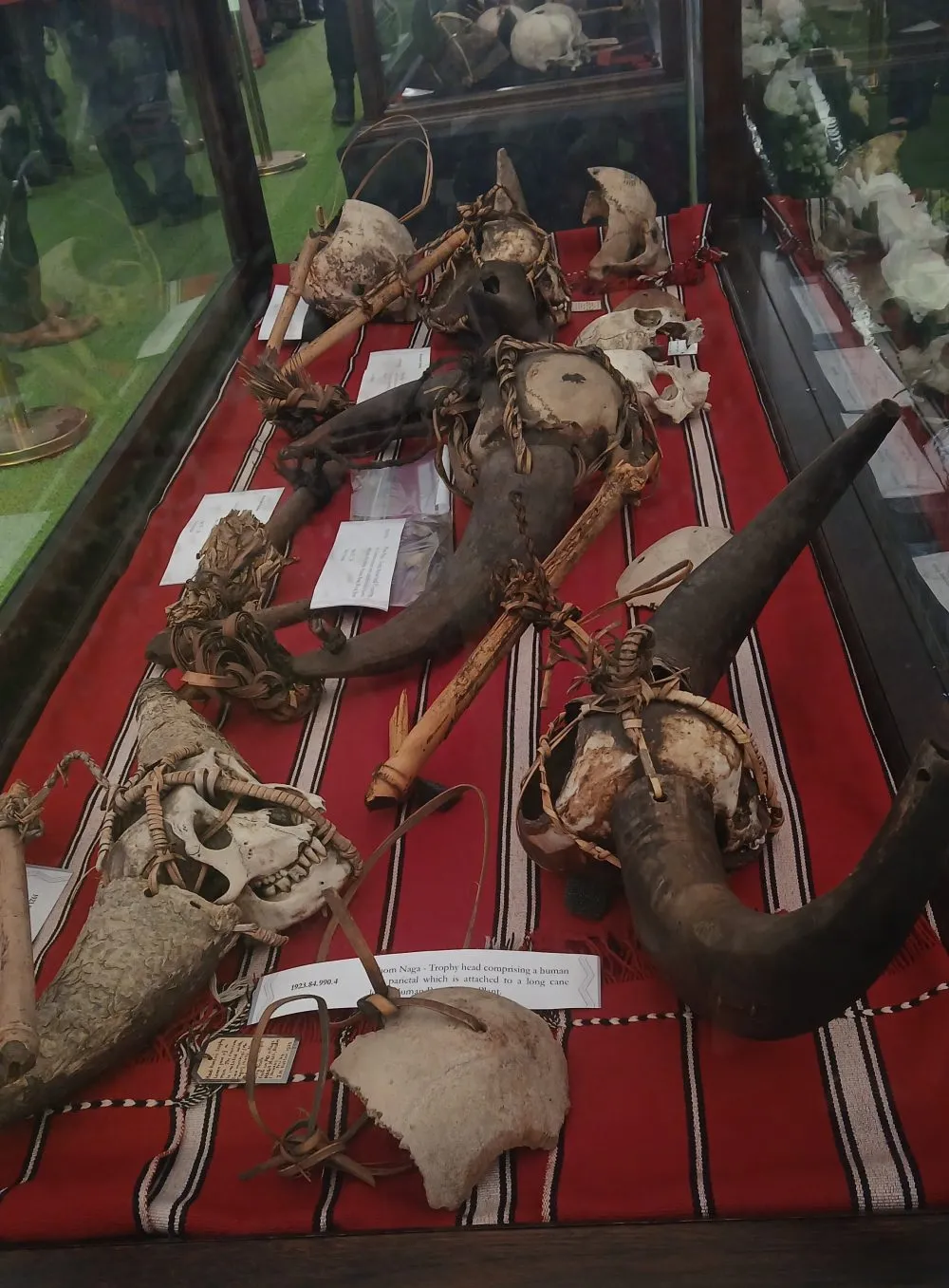
Chief Minister Dr. Neiphiu Rio has described the return of 39 ancestral human remains from the United Kingdom as a historic moment for the Naga people, saying the homecoming represents not just the return of their ancestors but also the restoration of their identity, history and collective memory.
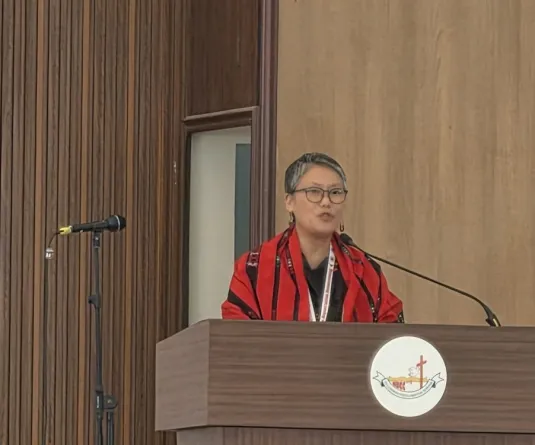
Speaking at the Naga Repatriation, Homecoming Public Ceremony held at the NBCC Convention Hall on November 28, Dr. Rio said the repatriation was a reminder of the need to reconnect with the roots and shared heritage of the Naga people.
He said the ancestral remains belonged to a period when ‘our’ forefathers lived, preserved traditions and shaped the cultural heritage carried by the Naga people today. Their removal from their homeland, he added, was a painful reminder of the colonial encounters that had marked a difficult chapter in Naga history.
Dr. Rio emphasised that repatriation was not merely about bringing back what had been taken, but about restoring dignity, honouring ancestors and recognising the historical and cultural rights of indigenous communities. He said the ancestors were not relics of the past but an inseparable part of the people’s collective identity.
Highlighting the State Government’s role, Dr. Rio recalled that on October 8, 2024, following discussions with the FNR and his colleagues, he had written to the Ministry of External Affairs seeking intervention to prevent the auction of a 19th-century Naga human skull in the United Kingdom.
He said the proposed auction had deeply hurt the sentiments of the Naga people and amounted to a disregard for the dignity of their ancestors. Following the intervention, the UK-based auction house withdrew the item from both sale and exhibition.
He further informed that he had also written to the Ministry of Environment, Forest and Climate Change on September 22, 2026, seeking CITES clearance for a headhunting trophy listed under the Convention on International Trade in Endangered Species (CITES).
Dr. Rio said the State Government, recognising the cultural, historical and emotional significance of the repatriation, had constituted a Ministerial Committee under the chairmanship of Deputy Chief Minister Y. Patton to oversee and coordinate the process.
The State Home Department and the Resident Commissioner of Nagaland in New Delhi served as key nodal agencies in coordinating with the Government of India. The process involved sustained engagement with several Central Ministries and departments, including External Affairs, Finance, Environment, Forest and Climate Change, Health and Family Welfare, and Civil Aviation, as well as the Directorate General of Foreign Trade.
He noted that the Ministry of Culture and the Archaeological Survey of India played a crucial role in facilitating the necessary clearances under the Antiquities and Art Treasures Act, 1972. The required statutory, procedural, health and aviation clearances had to be secured before the remains could be brought back to India.
Describing the process as complex, involving multiple ministries, institutions and regulatory requirements, Dr. Rio said the State Government had extended both administrative and financial support to facilitate the repatriation. He thanked the Government of India and the concerned ministries for their cooperation in granting the necessary clearances.
The Chief Minister said the homecoming should serve as a reminder that a people who honour their past preserve their identity, strengthen their sense of belonging and draw inspiration to build a better future.
He also expressed hope that the occasion would bring healing to the collective memory of the Naga people, restore dignity to their heritage and renew their pride in their identity.
Dr. Rio said the successful repatriation demonstrated what could be achieved through unity, mutual understanding and collective effort, and expressed hope that the same spirit of cooperation would guide future endeavours for the welfare and progress of the Naga people.
While welcoming the ancestral remains home along with the Naga community, he expressed hope that they would now be laid to rest in their homeland with the peace, dignity and reverence they deserved.
Acknowledging the efforts behind the successful repatriation of the 39 ancestral human remains from the Pitt Rivers Museum, University of Oxford, the Chief Minister expressed gratitude to Naga organisations, tribal Hohos, community leaders, elders, researchers and individuals who had contributed to the process.
Meanwhile, he particularly appreciated the efforts of the Forum for Naga Reconciliation (FNR), led by Rev. Dr. Wati Aier, and the Recover, Restore and Decolonise (RRaD) initiative, coordinated by Dr. Ellen Konyak Jamir. He also acknowledged the contributions of Dr. Visier Sanyü, Dr. Dolly Kikon, Dr. Arkotong Longkumer, researchers, volunteers and the 28-member delegation that accompanied the ancestral remains on their journey home.
Dr. Rio said the collective commitment, research, community engagement, prayers and perseverance of all those involved had made the historic homecoming possible. He also appreciated the cooperation extended by the Pitt Rivers Museum and the University of Oxford, stating that dialogue, mutual respect and shared responsibility were essential in addressing the historical legacy of indigenous communities.