

Sandhya Sharma
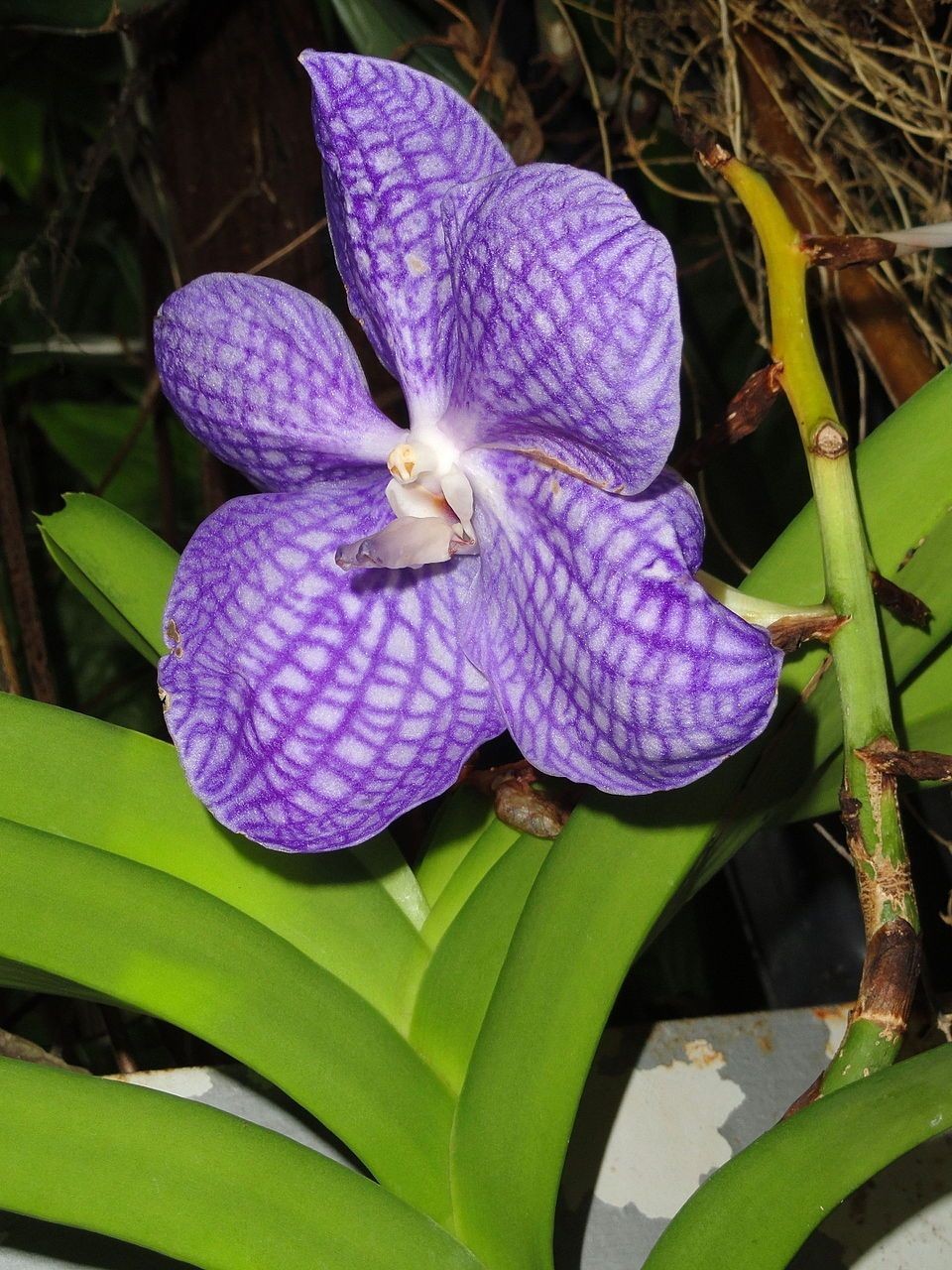
I still remember my college days, when friends from Northeast India told me about the exquisite blue vanda, a rare orchid found only in that region. They spoke so highly of this rare flower, and given my admiration for the Northeast’s natural beauty, I wasn’t surprised to hear about such a remarkable species.
The blue vanda, also known as the “Autumn lady’s tresses orchid”, is one of the most fascinating floral species in the plant kingdom, and is capable of surviving for decades or even longer. As an epiphyte, it doesn’t require soil to grow; instead, it relies on trees to elevate it toward the light. This creates a symbiotic relationship, as the tree provides access to sunlight, while the beneficial fungi assist in the germination process.
Unfortunately, the blue vanda is a critically endangered species that is highly smuggled due to its unique bluish-purple hue, which sets it apart from other orchids. Its striking petals are highly prized and are transported across borders for their medical properties and high-end perfumes. Their attractiveness, novelty, and other purposes generate strong market demand.
The export of blue vanda is prohibited, and it is listed in Appendix II of the Convention on International Trade in Endangered Species (CITES). There are several reasons for this protection: the orchid is endemic, has a small population, a slow growth rate, and low reproductive output, making recovery difficult if the population declines. Additionally, protecting it helps to prevent the rapid depletion of its natural population.
If it’s illegal distribution continues, we won’t be able to recreate this fascinating species, if we lose them. Losing a species that has taken years to evolve is like losing a living jewel that symbolises the rich biodiversity of the Northeast.
It is crucial that we preserve the blue vanda, its habitats, and implement scientific conservation programs. We want to see these orchids thriving in the forests of Northeast India, rather than confined to faded photographs in herbarium files. Speaking of a species in the past tense, like “there was once a species called blue vanda”, is a painful reminder of what we stand to lose.
Sandhya is a freelance writer, a former research fellow, a naturalist and a new indie podcaster. She writes stories for curious minds, and creates books, blogs, podcasts, and videos that spark curiosity about the world around us. Her blogs are focused on science and animal conservation. She writes with purpose and creates experiences that linger long after the last sentence is read or heard. She also enjoys nature photography.

