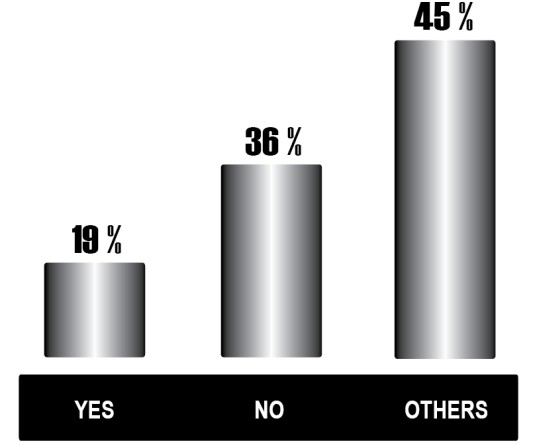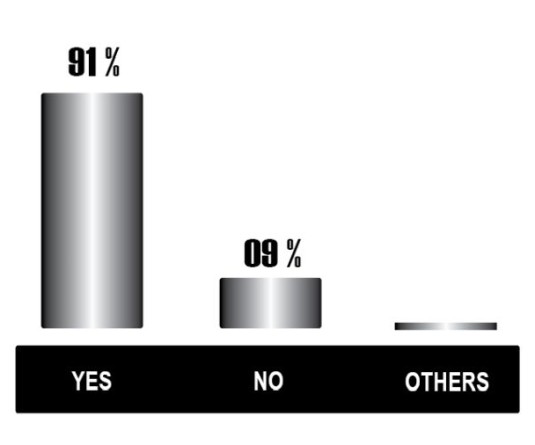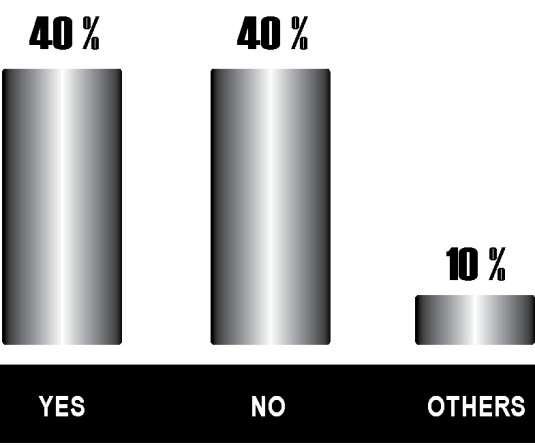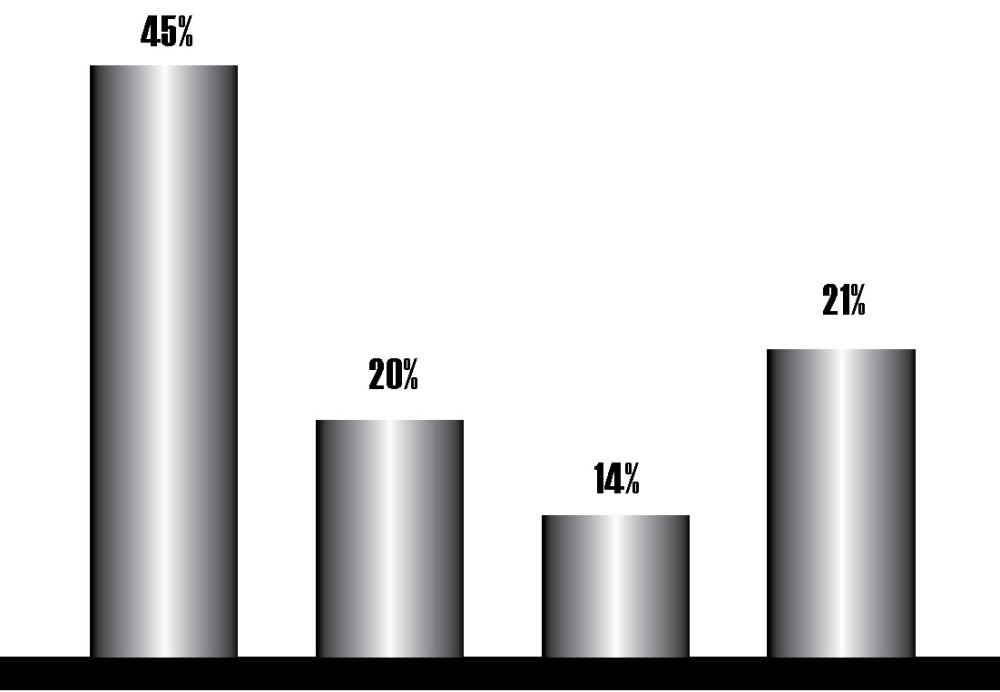
Common use of English and Nagamese:
• One can argue that English has relevancy because it is the medium through which we communicate with the outside world. But as for Nagamese, it has not relevance or usage outside Nagaland.
Even within Nagaland, everyone talks in Nagamese according to their own style. There is no one right way of speaking Nagamese. If we are not careful, Nagamese will destroy Nagas.
• Parents are solely responsible for not learning mother tongue of their children.
• The main role lies with the parents. Children will naturally learn English in school, so parents should focus on teaching them to speak their mother tongue at home
Lack of written script and educational materials:
• All the above reasons, as well as parents ignoring the fact that mother tongue is as important than any other common language today, thereby bringing up their children in English speaking household so that their children will grow up being fluent. Also, schools disallowing the use of mother tongue is another negative factor.
• The lack of a written script is the main reason why our Naga languages are not developing. This also means it is not as easy to learn our own language. It is far more easier to learn to read and write English.
Children not learning their own language:
• The wide use of English script is one big reason why local languages are not growing. Today, almost all school going students would prefer to read books and poems written in English rather than those written in their own languages. English has become easier to read, say for today's generations. Secondly, today's children are not learning their own languages well. We can learn and speak English and Nagamese, and yes even Hindi and Assamese, yet the usage of these other languages cannot be put up as preventing the growth of mother tongues among Nagas. If we love, wish to preserve and promote our local languages, we have to start focusing on our own languages which is not impossible. It is possible. Speak and write them. No script? Then create them; sounds funny but I think this is exactly how every other languages did!
Others:
• All the recognised language should introduce textbooks under SCERT.
• As we embrace education, we seem to be ignorant of the fact that having a good command of our mother tongue is also a part of education. Thanks to The Morung Express for raising awareness about this topic, which is often overlooked. All the options mentioned above seem to present valid reasons that restrain the growth of the mother tongues.
• Because, these days parents think their toddler speaking English is a trophy to be appreciated. Mixed culture and language barrier of parents can also be a significant factor.
• Emerging growth of parental engagements in work place and social space, has reduced family communication which to me is the prime reason for children being exposed more to common language like Nagamese. When there is absence of continuity in speaking mother tongue then that itself becomes the biggest road block of its growth
• In schools, children are forced to learn Hindi and English instead of their own mother tongue. I can understand the use of English because it connects with the whole world but that should be it and learning Hindi should be made a choice not forced in school. If nothing is being done than we are the last generation to speak not only Ao but other Naga languages.
• Lack of parents role in their own family
• Native languages are one of the best collective common inheritances bestowed by God. It is not only the mothers but father must take responsibility to communicate with his children because Nagas adhere paternal linage system. If a child from intermarriage goes to his father's Village and unable to speak his father's tongue they are not only denied leadership roles but ostracised harshly. When there are plenty of spaces and options to fit, why forcing in a limited space where you are demoralised? Massive popular media and tech influences. Competitive formal education system operating in English mediums. Kids are put up in hostels/boarding where they are forced to communicate in other languages. Shrinking learning spaces except one's own tribal church platforms. Not realizing that native languages are vulnerable and endangered. At this rate of shrinking spaces, who knows by this century it might get extinct.
• One major reason for the decline of mother tongue is education. Many parents from villages send their children to cities like Kohima and Dimapur to pursue better educational opportunities. In rural areas, access to quality education is often limited, and parents naturally want their children to have a better future. So they make sacrifices and send them to urban areas. However, in cities, the social environment is very different. Neighborhoods and schools are diverse, with students from different tribes and linguistic backgrounds living together. In such settings, a common language often English or Nagamese becomes the practical medium of communication. Over time, children begin to think, speak, and socialize in these common languages rather than in their own mother tongue. So the issue is not simply about “parents failing.” It is also about migration for education, urbanization, and the pressure to adapt to multilingual environments. If we truly care about preserving our mother tongues, we need to address these structural factors as well not just point fingers.
• The decline of mother tongue languages is largely due to parents embracing Western influence, viewing it as a path to modernity. However, our mother tongue is a core part of our identity. Balancing modernity with cultural roots is key.
• The widespread use of Nagamese may limit proficiency in English, which remains the primary language of education and global communication. While Nagamese serves as a common bridge among different tribes, it is largely a mixed language influenced by Assamese and other regional languages, and does not directly represent the distinct cultural identity of Nagas. Hence, increase reliance on Nagamese may contribute to the gradual decline of native languages, while also being perceived as an extension of other languages (Assamese, Bengali) rather than a reflection of our own heritage. Strengthening English in academic settings while preserving indigenous languages could provide a more sustainable balance between global engagement and cultural identity.
• I think we are all missing one very vital point. And since this is an educational talk, I want to highlight this issue from what I have observed in Naga society. One factor we are not honestly addressing in the decline of mother tongues in Nagaland is our rigid patrilineal system. A child officially belongs to the father’s tribe, carries his surname, and is recognized through that line. But in reality, language is often transmitted by the mother. In many inter-tribe marriages, children grow up speaking their mother’s language first. Yet because they carry their father’s tribal identity, the mother’s tongue is treated as secondary, sometimes even mocked or dismissed. Over time, that discourages its transmission. That's exactly what's happening today! It’s unrealistic to expect tribes to marry only within themselves. In a small state like Nagaland, strict endogamy (marrying only within one’s tribe) is neither realistic nor sustainable long-term. Mixed identities are increasing, and that’s natural. If we truly care about preserving our languages, we need to rethink a system that recognizes only one lineage. A more bilateral approach where maternal identity is equally acknowledged could actually strengthen cultural continuity. If mothers are the first teachers of language and culture, then recognizing them fully isn’t controversial, it’s practical.