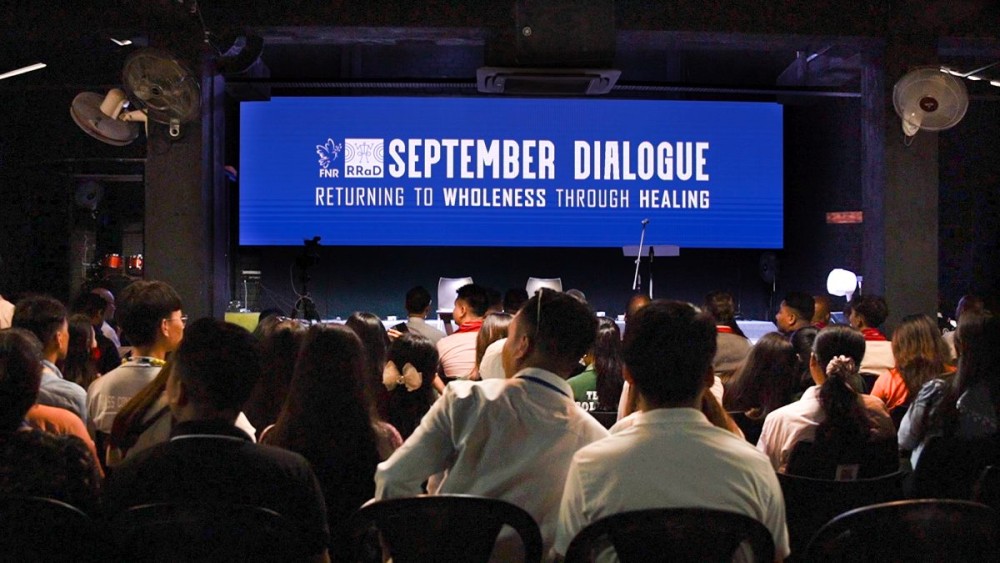
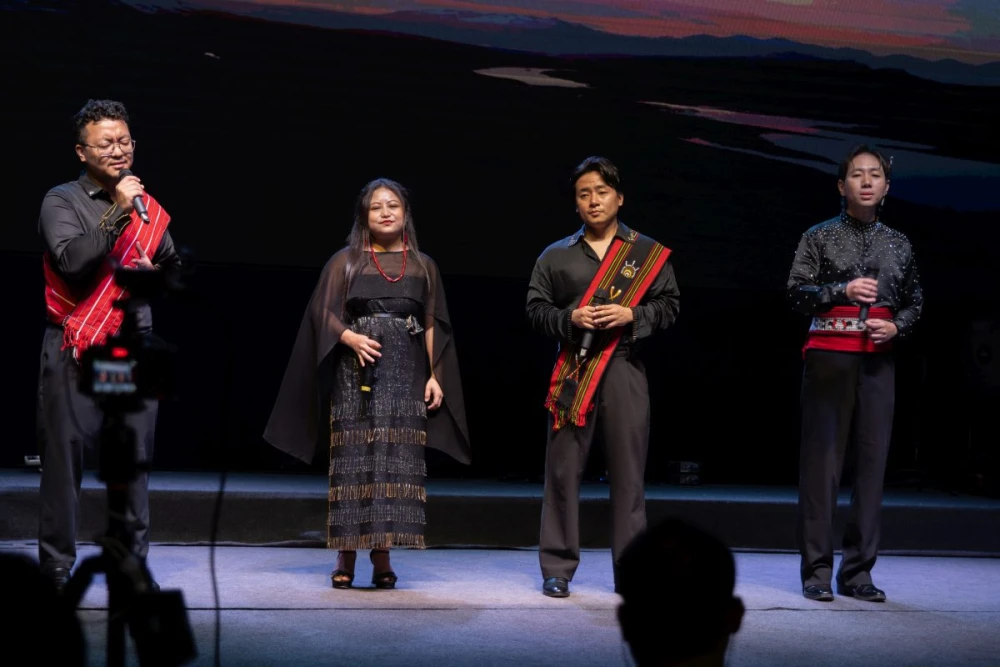
On September 5, tribal elders, student leaders, grassroots activists, and academics gathered at the Lighthouse Church in Dimapur for the third September Dialogue 2026, held on the theme, “From Recovery to Reclaiming: What Repatriation of Our Ancestral Human Remains Means for Our People.” (Morung Photo)
H Anguvi Chishi
Dimapur | September 5
“We come with reverence and humility, with questions and memories. We come with wounds that have travelled across histories and generations. We do not presume to know what this act means for those who have already entered eternity. Their earthly journey has ended, and their souls remain in your hands.”
“..But we know what this moment means for us—it is an act of memory, truth, dignity and healing. We do this so that we may remember truthfully and redemptively, to reclaim our collective memory and resist the forces that seek to erase our story,” whispered Dr Villo Naleo, Secretary for Social Concerns, Nagaland Baptist Church Council (NBCC), his voice carrying a quiet, solemn ache in his prayer of blessings.
A heavy silence settled over The Lighthouse Church in Dimapur on a quiet Saturday morning. Tribal elders, student leaders, grassroot activists, and academics gathered for the third September Dialogue 2026. The theme, “From Recovery to Reclaiming: What Repatriation of Our Ancestral Human Remains Means for Our People,” addressed a reckoning more than a century in the making: the homecoming of ancestral remains taken from the Naga hills during British colonial expeditions and housed in the glass cases of Oxford University’s Pitt Rivers Museum (PRM).
For the community gathered in the hall, reclaiming their dead is neither an academic exercise nor a bureaucratic formality. Delivering the keynote address, “Returning to Wholeness through Healing: The Naga Journey in the Light of Repatriation,” Forum for Naga Reconciliation (FNR) Convener Rev Dr Wati Aier asserted that the process represents an intentional reversal of colonial violence. It is an inward, sacred journey toward communal wholeness, empathy, and the restoration of human personhood to ancestors once catalogued as imperial curiosities.
Confronting the colonial wound
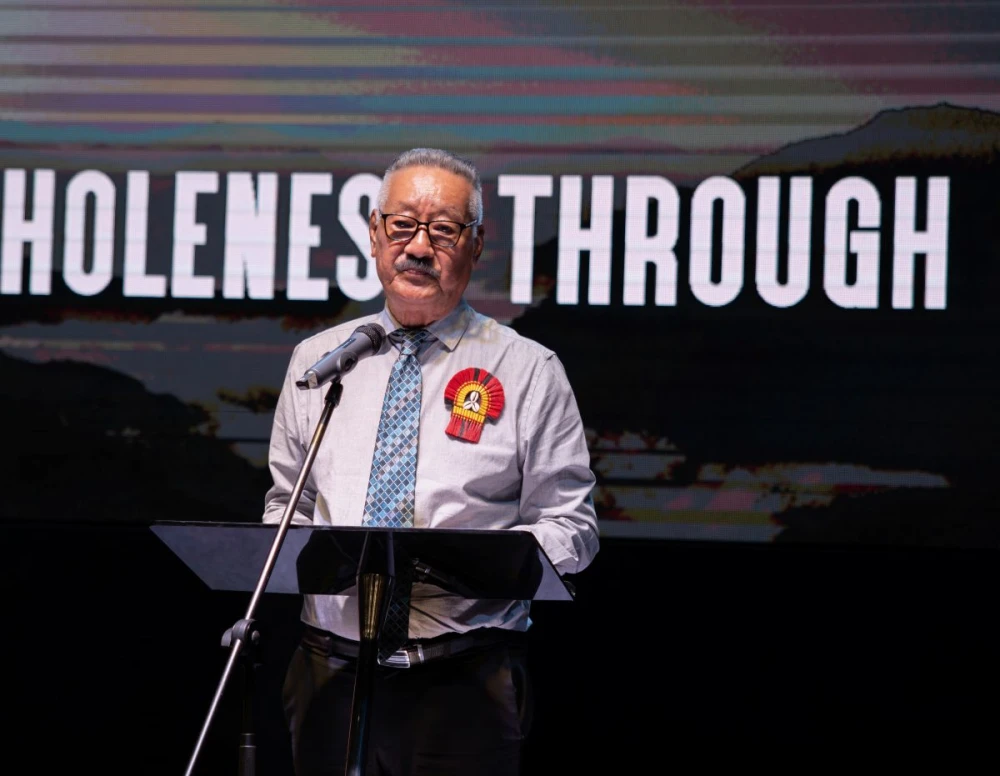
Drawing parallels to global indigenous struggles, Dr Aier invoked scholars Dolly Kikon, Maria Yellow Horse Brave Heart, and psychoanalyst Carl Jung to articulate how subjugation, militarisation, and criminalisation leave deep, intergenerational trauma across ancestral memory. Colonial administrators and ethnographers severed mortal remains under the guise of racial and evolutionary science, turning ancestors into display specimens.
“Repatriation directly confronts past dehumanisation, where Nagas were treated as exotic museum specimens rather than living human beings,” Dr Aier noted, his tone raw and deliberate.
Citing Prof Arkotong Longkumer of the University of Edinburgh, Dr Aier described the moment as a kairos—an appointed hour where the community transitions from silent subjects inside display cases into living witnesses confronting imperial domination. Calling the return a “sacrament of belonging” and an act of “public theology,” he insisted that human dignity does not end at the grave. Drawing on Aristotle’s concept of eudaimonia, he maintained that true human flourishing requires moral virtue and communal reconciliation.
Yet, drawing from Noam Chomsky’s warnings on how power systems enforce amnesia, Dr Aier cautioned against allowing historical pain to curdle into vengeance. Nagas, he urged, must never weaponise grief into inter-tribal bitterness or factional score-settling.
“Memory is not neutral; we must choose redemptive memory that heals the present rather than poisoning the future,” Dr Aier said, his words steady and impassioned. Echoing Archbishop Desmond Tutu’s conviction that “there is no future without forgiveness,” he appealed to the gathering to practice proactive forgiveness from below—cultivating Shalom, a deep peace anchored in truth, justice, and shared restoration.
Reclaiming personhood from Empire
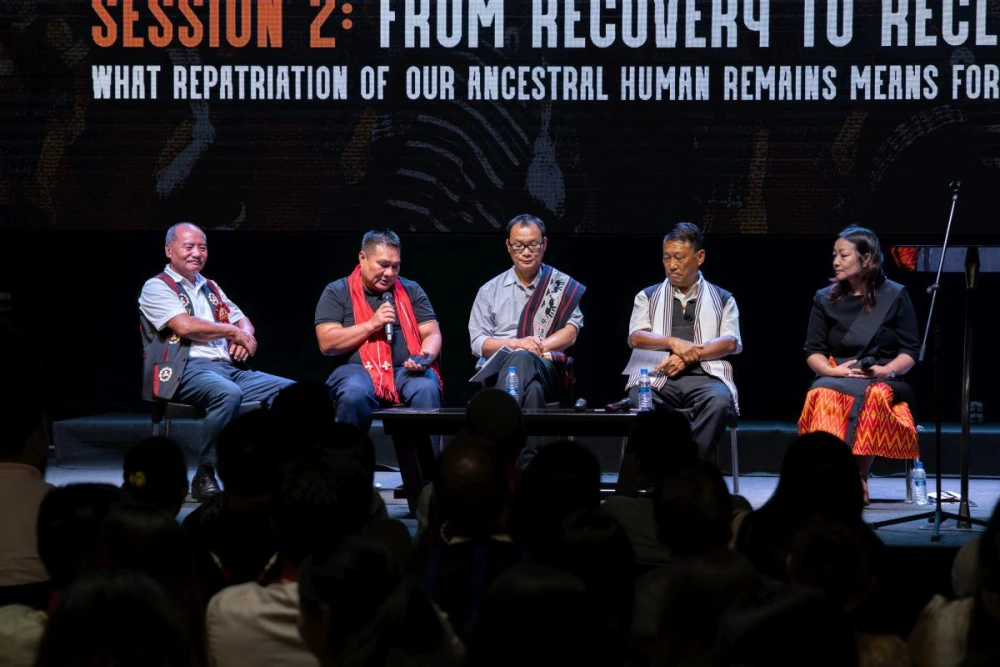
The emotional core of the morning unfolded in the personal reflections of tribal leaders who have looked across oceans to bridge the divide between living communities and their silent dead.
Ao Senden General Secretary Imtipokyim stressed that repatriation is fundamentally about restoring humanity to ancestors who were stripped of their names. “What is coming home is not an object from a museum collection, but someone whose life, death, and memory belong to us Nagas,” he said, his voice earnest and reflective. He called for careful community-led inquiry to recover their clans, villages, and life stories, insisting that the remains must never be re-institutionalised in another museum, but returned gently to the earth.
Phom Peoples’ Council (PPC) Vice President NT Thamlong Phom recalled his poignant visit to the Pitt Rivers Museum on June 9, 2025, where he stood before the remains and made a quiet promise to bring them home. The Phom community accounts for 24 of the 39 ancestral skulls identified in the museum.
“In our tradition, even during the headhunting era, we never abandoned the heads of our kin,” Phom observed, his voice tinged with quiet sorrow. Ancestral spirits, he noted, find rest only when reunited with their home soil, making this repatriation a vital opportunity to heal the colonial legacy of “divide and rule” that fractured their ancestral landscapes.
“Oh! My beloved forefathers. What happened to you? How have you lost your life? For what reason have you reached the United Kingdom? Oh! You have your own home, your own land, your ancestors’ and descendants.
Leaving all these behind, how did you land in this strange lonely foreign land? But, don’t worry because I have come all the way from our land where your ancestors and descendants dwell.
Your precious remains shall be taken back and buried in the same place where our ancestors are buried, with honour and dignity where you shall find eternal rest and peace.
Oh! my forefathers, you have Suffered untold pain and loneliness. Now we will go back to our ancestral land, where you will find Love and Solace forever.
So, be brave, keep Strong and through faith in our Lord Jesus Christ we shall reach our homeland.”
This is the exact words spoken by Thamlong Phom in front of the Naga Ancestors’ human remains on June 9, 2025, at the Pitts River Museum, Oxford University, United Kingdom.
Sümi Hoho Vice President Otova Swu recalled how this movement gained urgency after Naga researchers, including Prof Dolly Kikon and Prof Arkotong Longkumer, intervened against the commercial auction of ancestral remains in Europe.
“They looked at it from the lens of a Naga,” Swu reflected, his tone warm with gratitude. He noted that their defense of ancestral dignity was guided by shared identity rather than clan boundaries. For over a century, colonial authorities displayed ancestral remains to construct a spectacle of “headhunters and naked savages” that elevated imperial stature. Swu stressed that this return comes at a pivotal moment, offering an opportunity to mend fractured tribal lines.
Angami Public Organisation (APO) President Thejao Vihienuo framed the homecoming as a sacred journey of psychological liberation. Recalling the initial consultation called by the FNR at Hotel Saramati in Dimapur, Vihienuo recounted how tribal leaders resolved to accept the repatriation only upon receiving an unreserved apology and admission of regret from the museum.
“No person, however primitive, would have given the remains of their dear ones as a gift to another person,” Vihienuo observed, his words sharp and unequivocal as he denounced the dubious channels through which ancestors were carted away. He challenged the younger generation to shed inherited feelings of inferiority and resist external pressures toward cultural assimilation.
Common custody: Why the ancestors will rest together
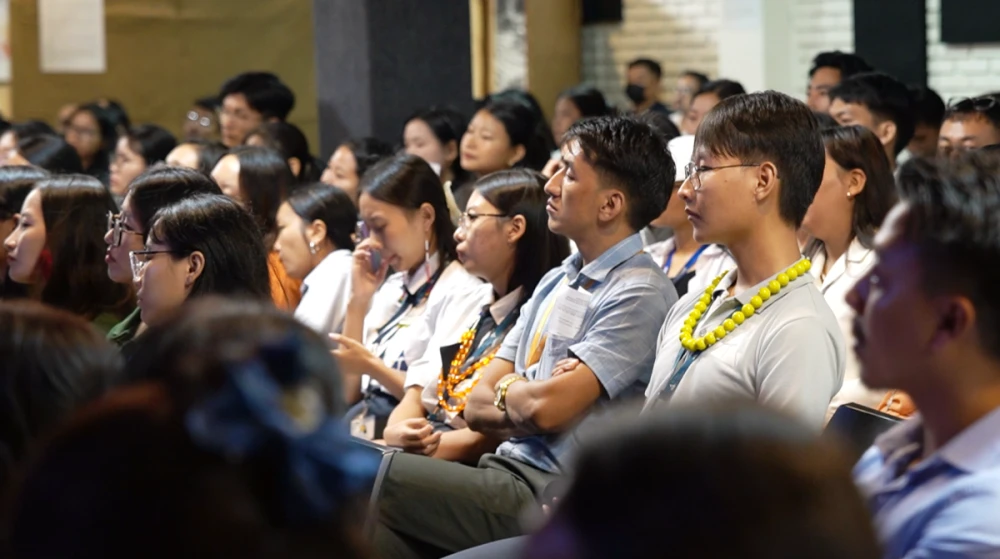
During the interactive session, the dialogue addressed the delicate question of where and how the remains should be interred.
Nagato, an attendee from Zunheboto district, asked whether a skull definitively identified from his ancestral village could be returned directly to descendants for local customary burial.
In response, community leaders reaffirmed a shared consensus: all repatriated remains will be treated as collective “Naga property” and interred together at a dedicated site in Kohima.
Otova Swu explained that while village tracing is technically possible, a common resting place serves the higher purpose of forging social and spiritual unity. PPC Vice President NT Thamlong Phom shared a deeply candid caution, explaining that while oral records allowed him to identify the exact village origins of specific skulls—and even who took them in ancient inter-village feuds—releasing those details publicly would risk opening old wounds.
“When we put this information in the public domain, instead of healing, there will be a sense of bitterness,” Phom stated, speaking with measured gravity. Burying them together honors them collectively as ancestors of all Nagas, ensuring their return heals rather than divides.
Addressing a question on centering women's experiences, APO President Thejao Vihienuo acknowledged that traditional tribal councils have historically been male-dominated, but affirmed that the homecoming belongs equally to women. “When we speak of the oneness of Nagas, it is an inclusive approach that embraces Naga women as well,” he said, his tone welcoming and reassuring.
FNR member and Recover, Restore and Decolonise (RRaD) convenor Dr Ellen Konyak Jamir shared how the grassroots initiative grew after Prof Dolly Kikon encountered museum repatriation coverage in The Guardian. The initiative, she explained, has intentionally woven dialogue through elders, women, and youth across districts to keep the process community-owned.
The tangible power of this reclamation was illustrated when Dr Moishen of the Phom community presented a traditional ceremonial shawl from Yhongshei village. The weave had been lost to community memory for generations until NT Thamlong Phom identified its photograph in the Pitt Rivers archives, inspiring village women to revive the craft.
Logistical realities and looking ahead
Clarifying questions on international diplomacy, panelists explained that Oxford University’s Pitt Rivers Museum—an academic body whose director has formally apologised—held physical custody of the collection. A formal state apology from the British government, Vihienuo noted with practical candour, remains unlikely given the worldwide scale of British colonial exploitation.
Regarding state engagement, representatives confirmed that the Nagaland government is fully apprised, while logistics will involve coordination with New Delhi for transit clearances. Phom noted that the Indian High Commissioner in the UK had attended their community gathering at Oxford and commended the initiative.
Vihienuo also clarified that the present repatriation focuses strictly on human skeletal remains, leaving over 6,000 ethnographic artefacts in Oxford to share Naga material heritage with global audiences.
Addressing logistical hurdles, Vihienuo stated that the remains are expected to arrive by November. Because the size of the consignment exceeds domestic passenger flight limits, negotiations are underway to air-freight the cargo directly to Guwahati, avoiding long transit by road from New Delhi. Phom dismissed online rumours claiming the initiative wastes public funds or attempts to revive ancient animism, reiterating that the singular goal is giving ancestors a dignified rest.
Shared grief and a ground to build peace
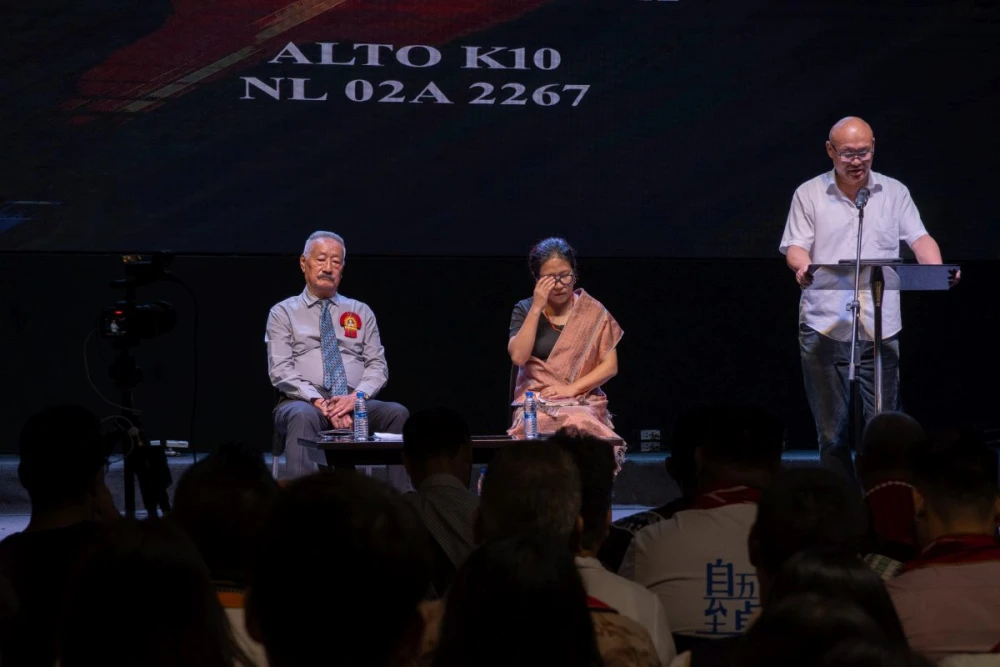
As the gathering drew to a close, Dr Naleo’s prayer carried the historical weight of the day into a solemn invocation for the living:
“May memory become wisdom. May grief become compassion. May history become responsibility. May repentance become transformation. May truth become reconciliation. May reconciliation become peace. May this journey of repatriation become more than the return of ancestral remains. May it become a return of memory, healing and a return to wholeness,” Dr Naleo concluded, his voice resonant with quiet hope.
The repatriation of the Naga ancestors is more than an overdue reckoning with imperial theft; it is a profound testament to the endurance of indigenous memory. For over a century, these ancestors were stripped of their names, numbered like specimens, and confined to quiet vitrines far from the hills that shaped their lives. In bringing them home to a common resting place, the Naga people are not merely reclaiming bones—they are restoring personhood to their forebears and discovering, amidst their own modern divisions, that their shared grief can become the very ground upon which they finally build their peace.